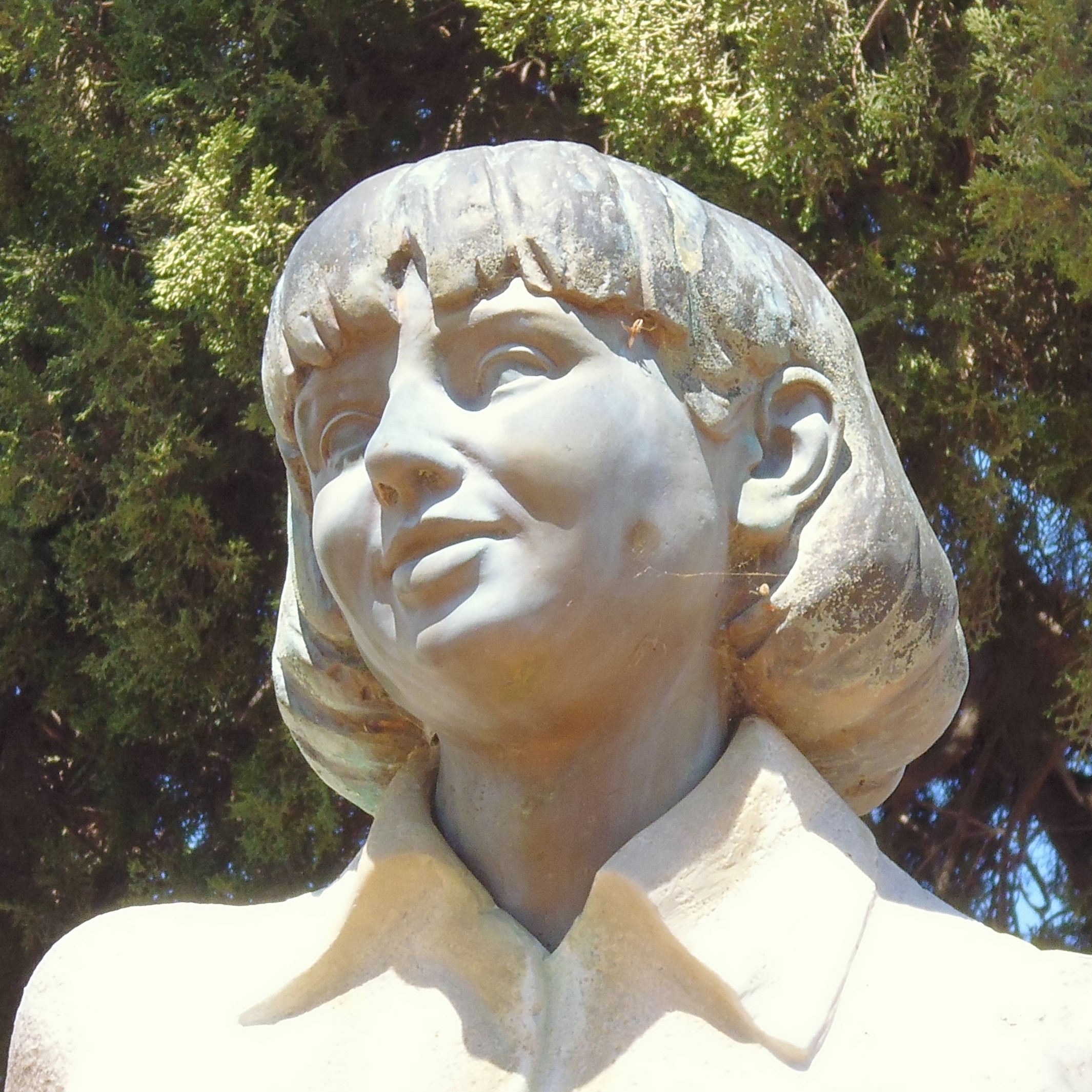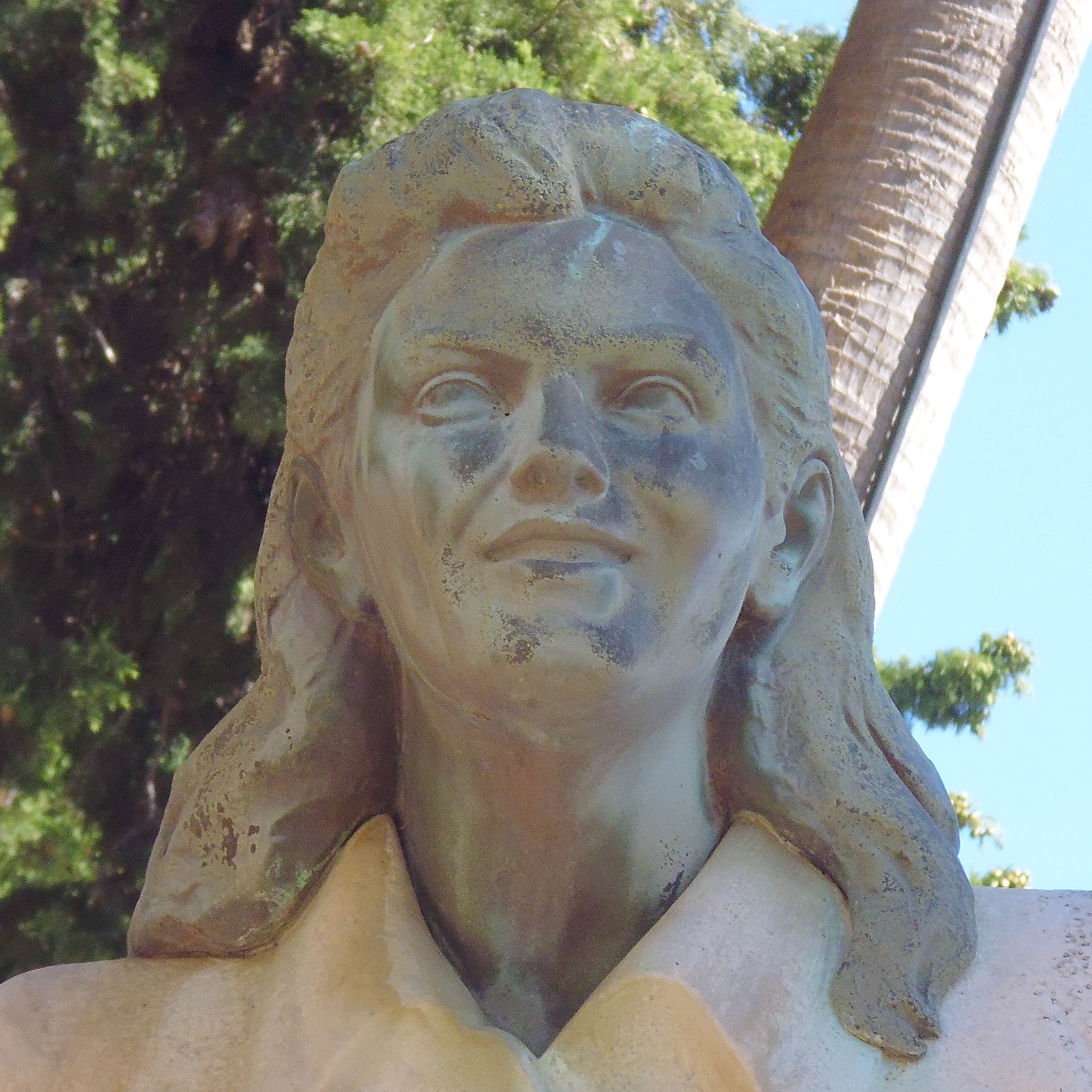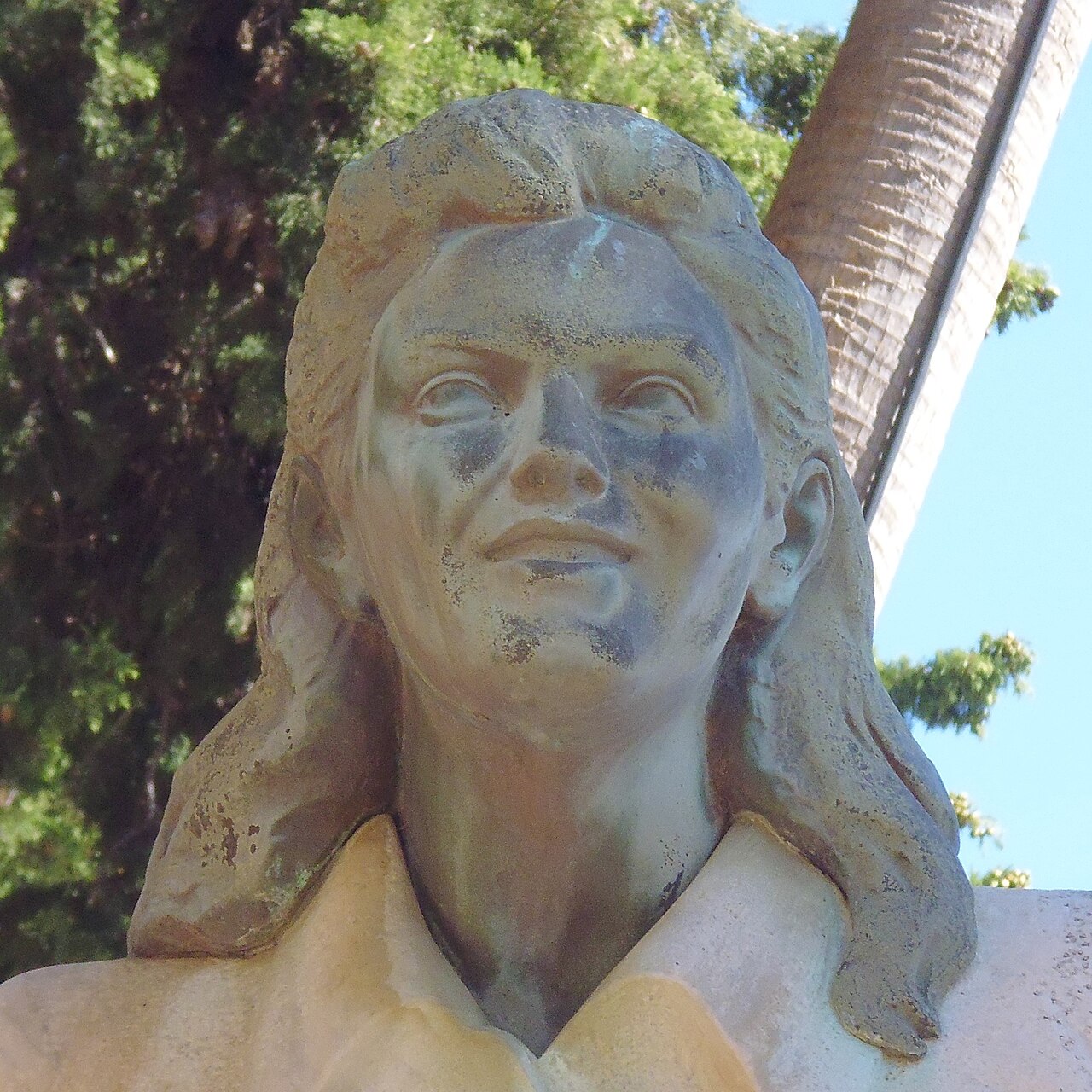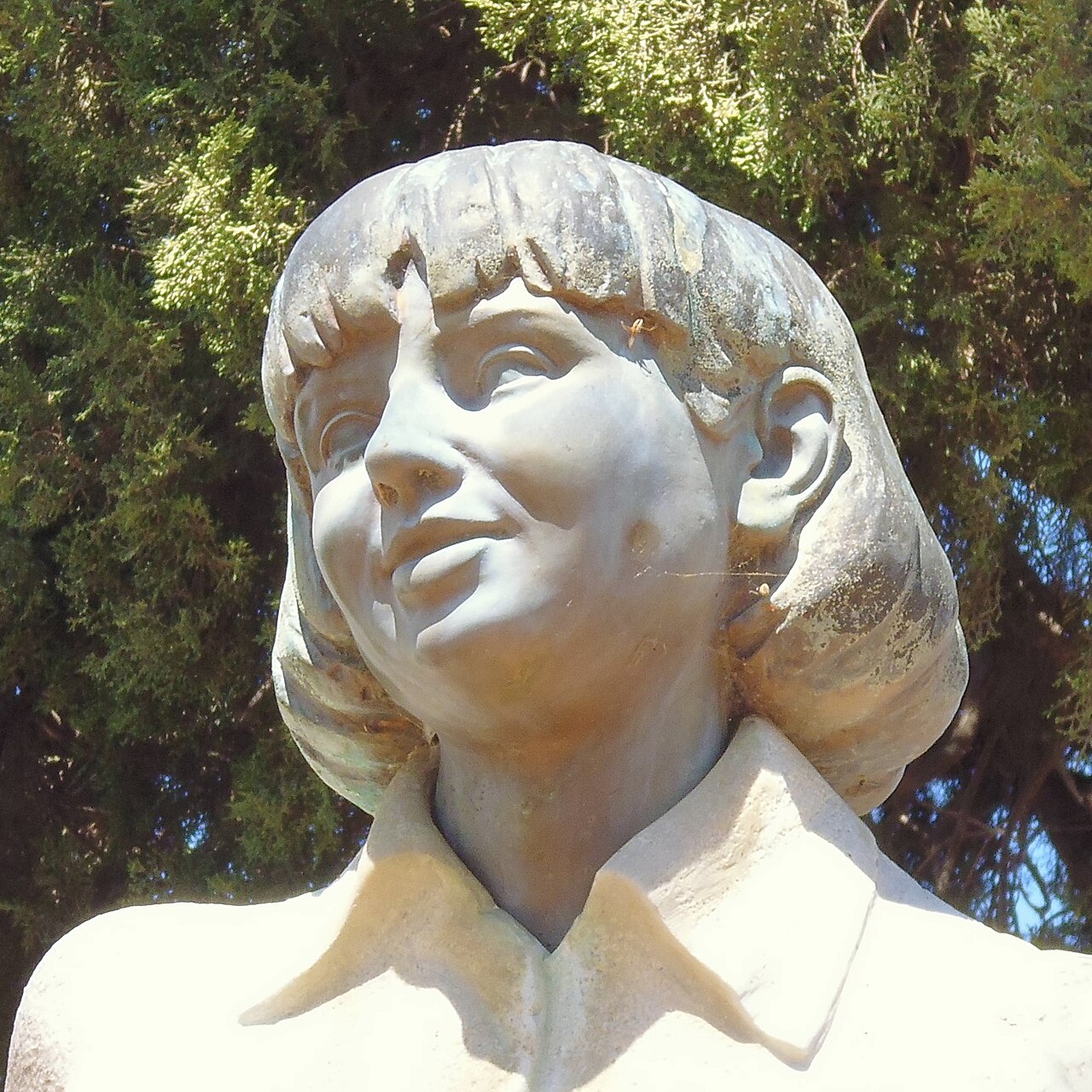





Forensic & Criminological Matrix
| Parameter | Forensic Detail |
|---|---|
| Forensic Heading / Aliases | The Alcàsser Fugitive, El Rubén, Sugar, Asuquiqui |
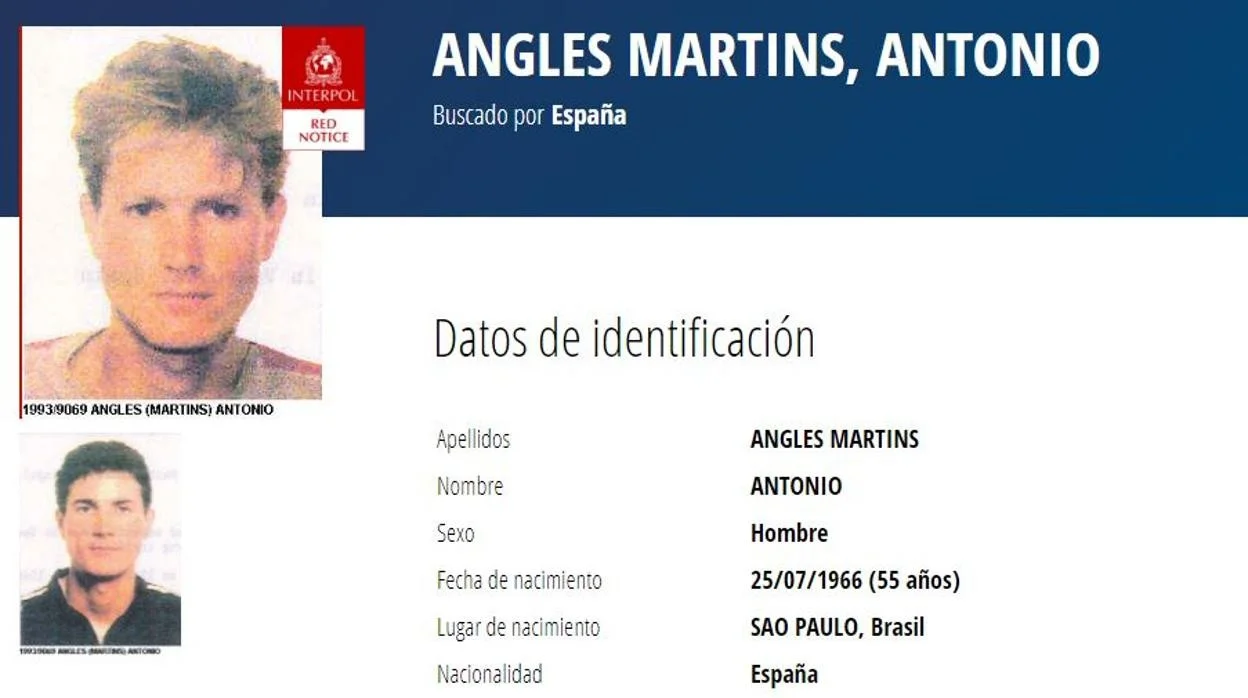
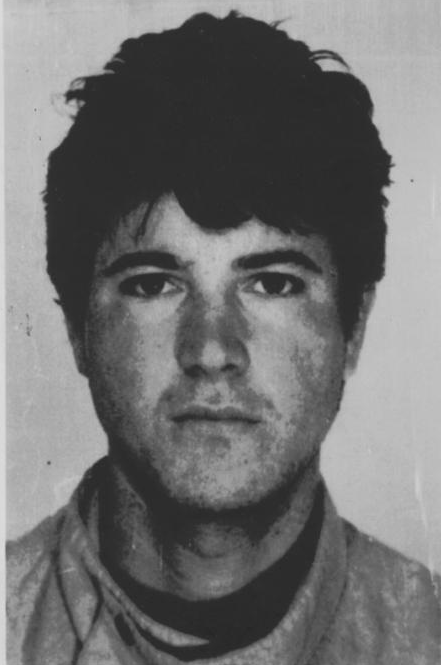
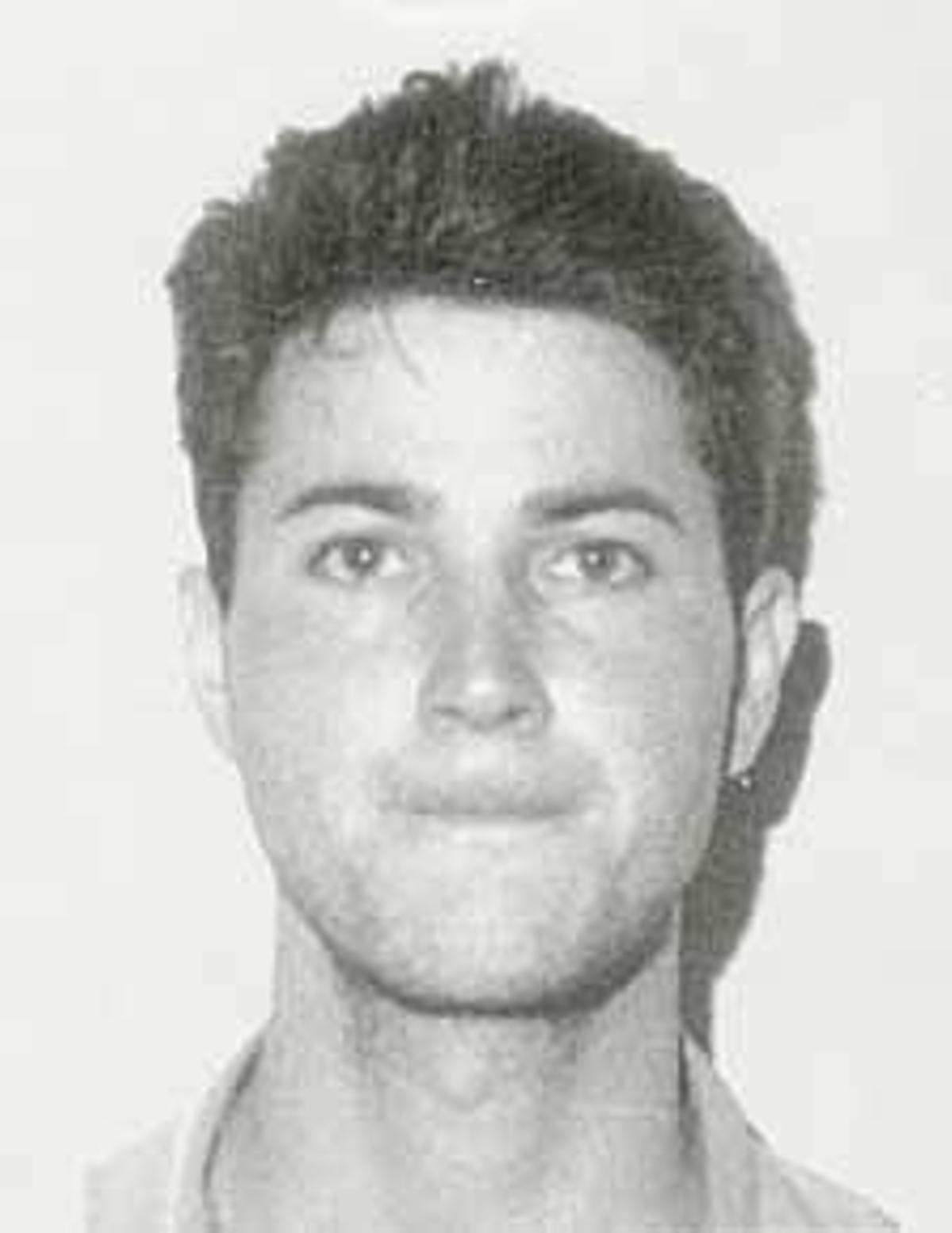
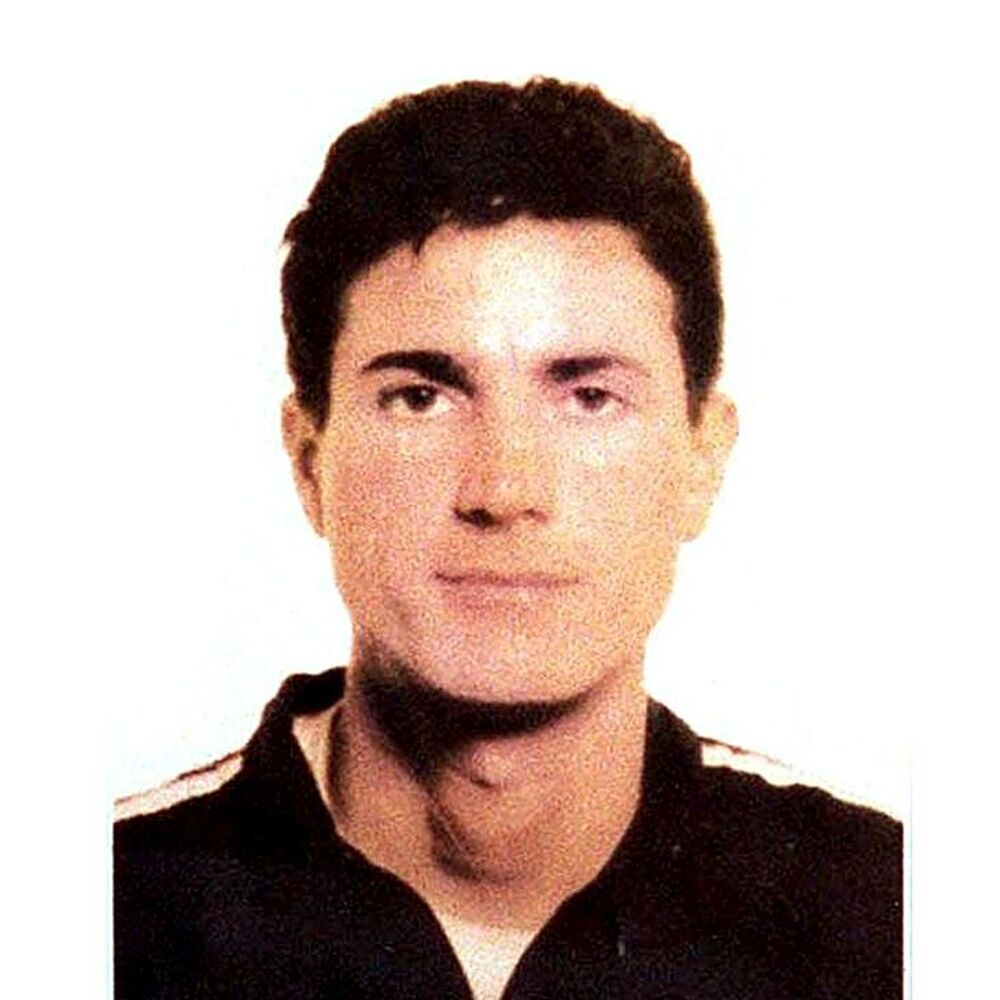
| Legal Identity | Antonio Anglés Martins |
| Confirmed Victims | 0 (No conviction due to fugitive status and active warrant) |
| Attributed / Indicted Victims | 3 (Miriam García, Desirée Hernández, Antonia Gómez — The Alcàsser Murders) |
| Active Timeline | November 13, 1992 (Alcàsser murders) / Escape in 1993 |
| Jurisdiction / Area of Operations | Catarroja, Picassent, Tous (Province of Valencia, Spain) |
| Criminological Classification | Psychopathic sexual predator, multiple murderer, international fugitive |
| Forensic Modus Operandi | Abduction of hitchhikers at gunpoint, transport to isolated shelter, prolonged sexual and physical torture, point-blank firearm execution, and clandestine burial |
| Weapon / Mechanism of Death | Star Model 1922 pistol (9mm Short caliber), restraints, blunt force trauma |
| Motive / Behavioral Dynamics | Decompensated sexual sadism, antisocial personality disorder, pathological narcissism |
| Judicial Outcome | Fugitive at large. Active international arrest warrant issued by the Instruction Court of Picassent (Valencia) |
1. Background and Psychopathy
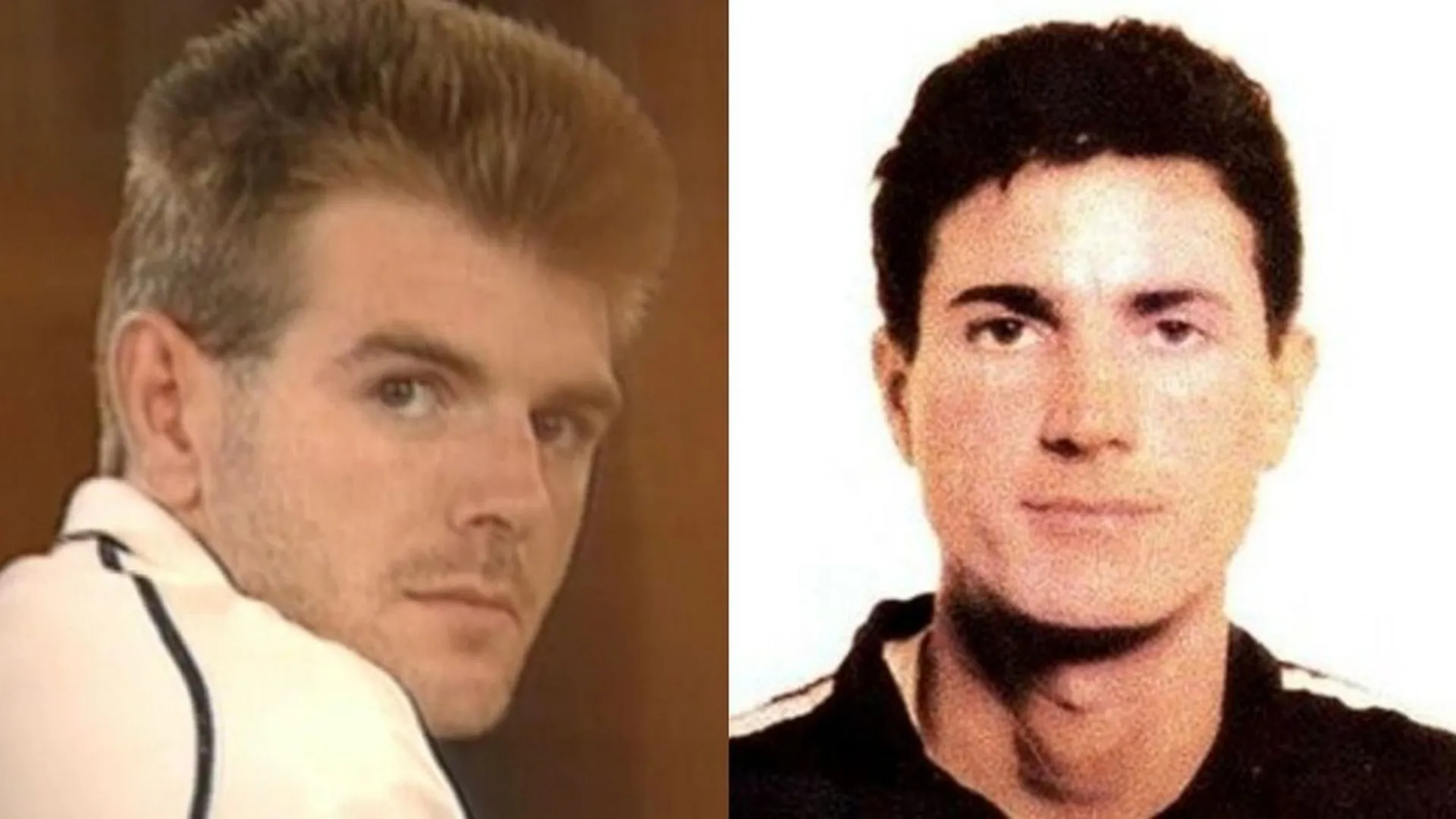
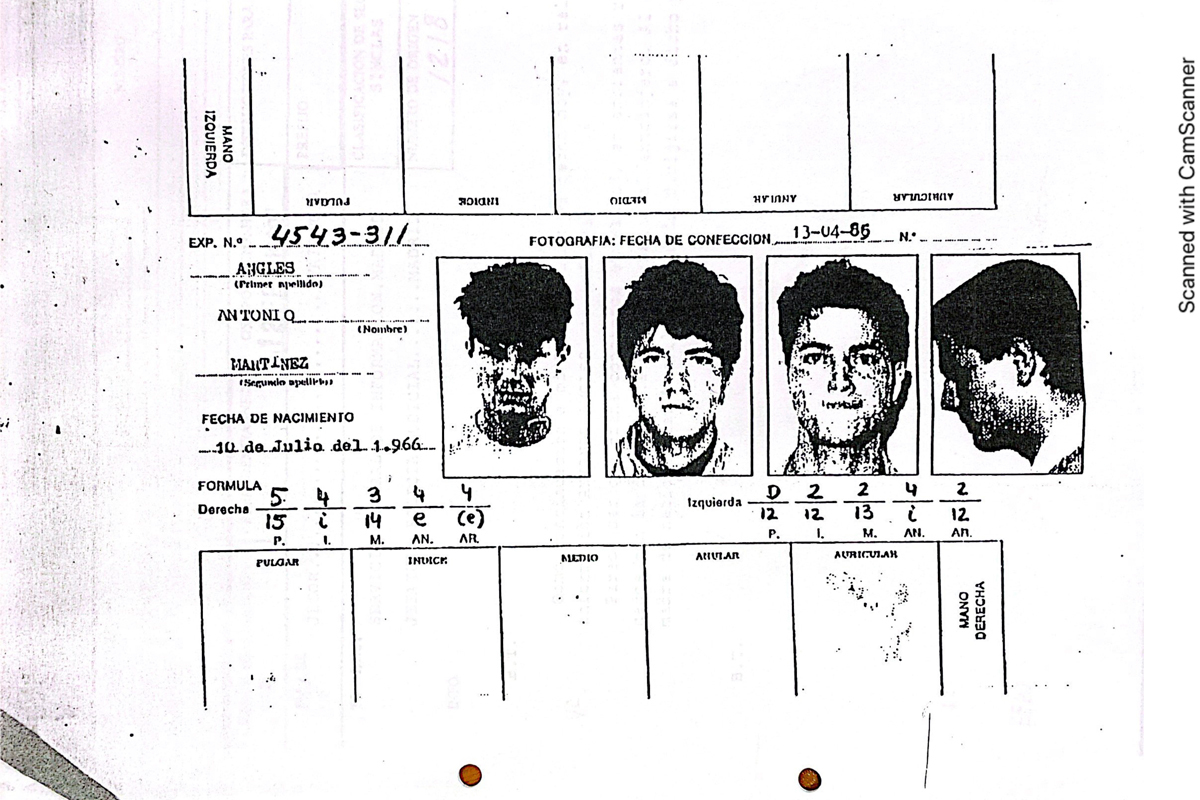
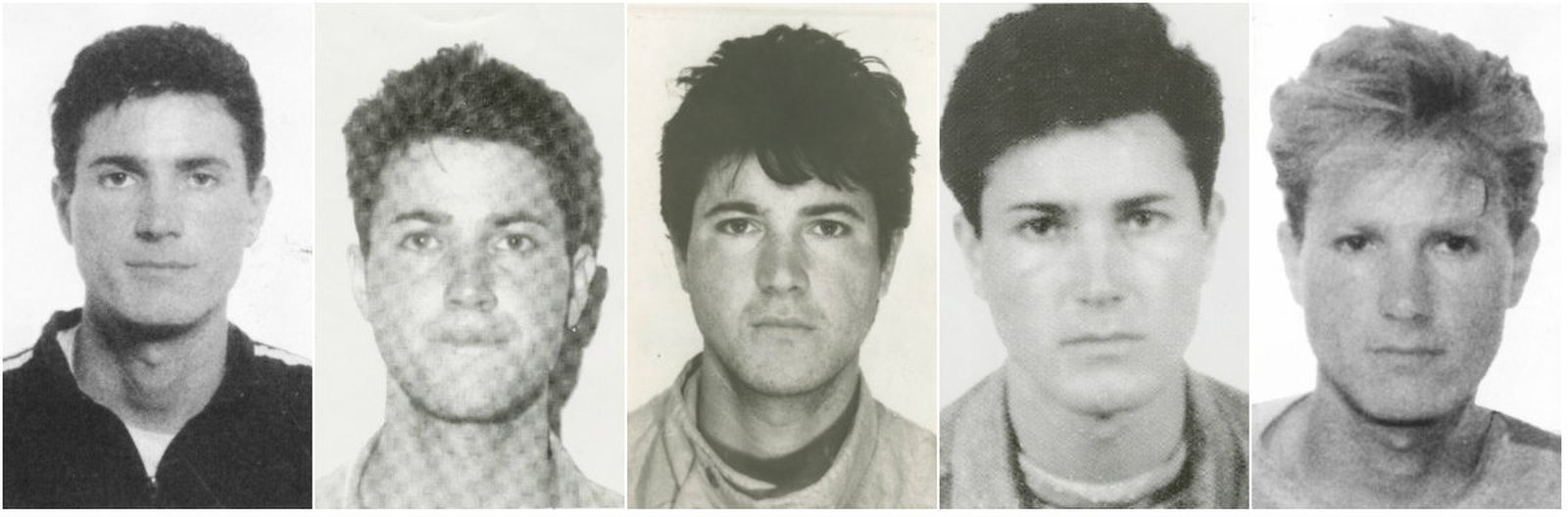
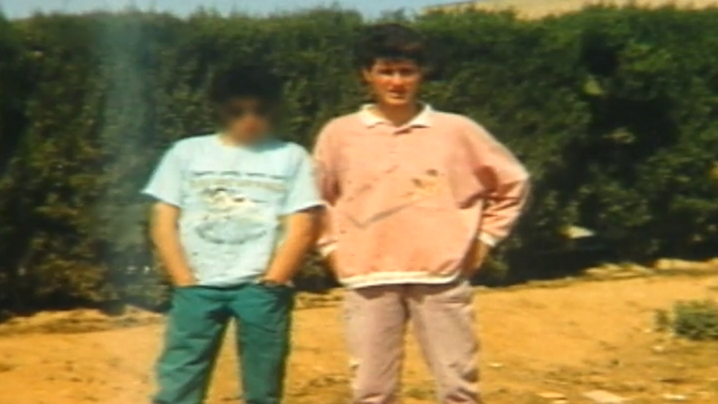
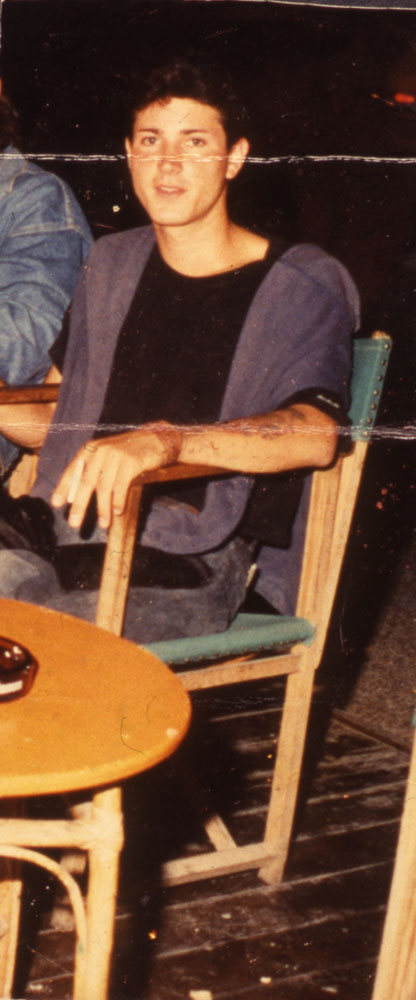
Antonio Anglés Martins was born on July 25, 1966, in São Paulo, Brazil, later relocating during childhood with his family to Catarroja, in the province of Valencia, Spain. Raised in a severely dysfunctional family environment marked by domestic violence and absence of parental supervision, Anglés demonstrated an early trajectory into serious criminal behavior, including burglary, extortion, narcotics trafficking, and violent assault.
Evaluations conducted prior to 1992 characterized Anglés as exhibiting severe psychopathic traits, extreme emotional coldness, zero capacity for empathy, and pronounced sexual sadism. In 1990, he was convicted for kidnapping and torturing a woman in a rural shack in Catarroja (province of Valencia), displaying behavioral patterns identical to those observed two years later. In March 1992, while serving sentence at the Picassent penitentiary, he absconded during an authorized prison leave, becoming a wanted fugitive.
2. Crime Spree and Modus Operandi
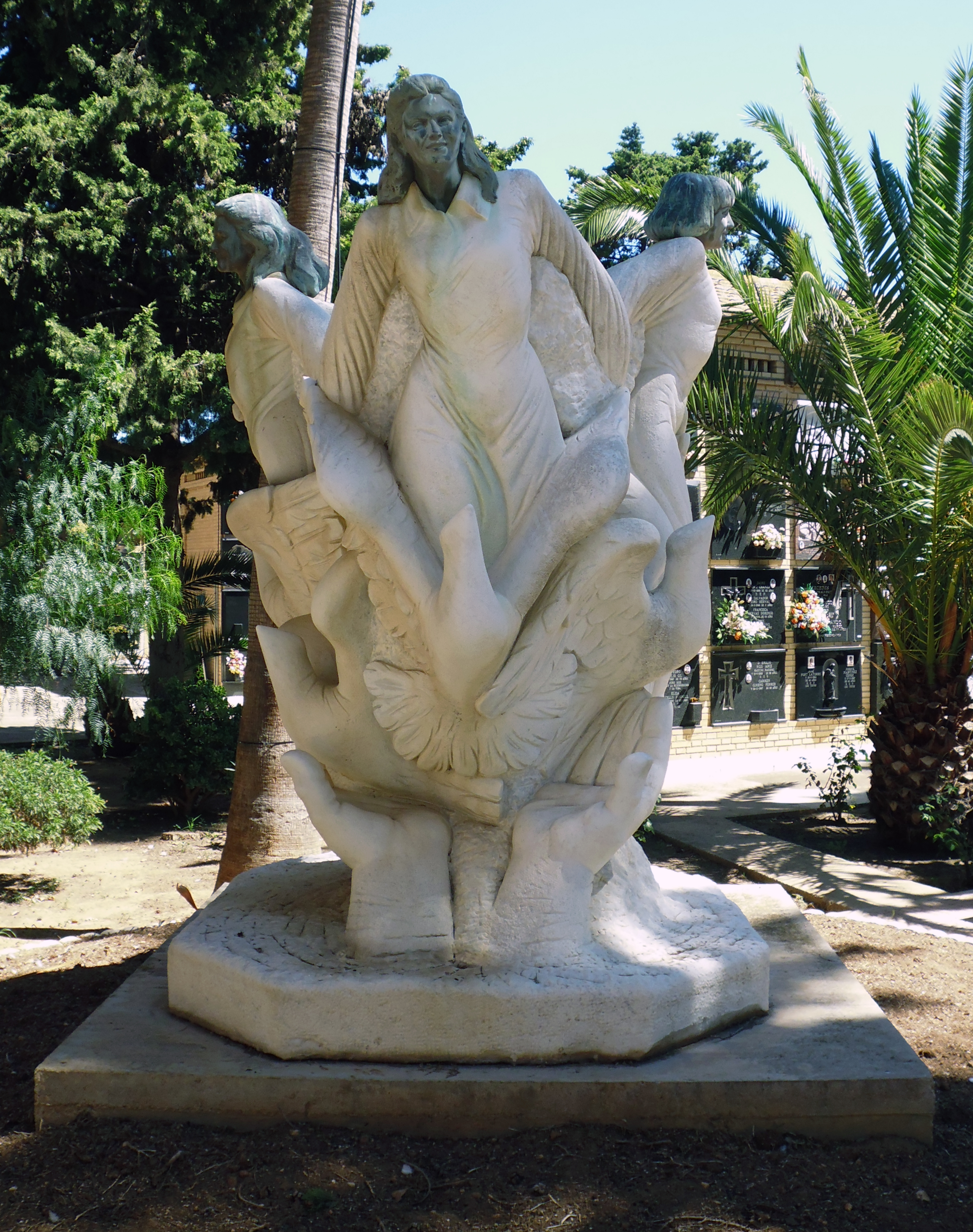
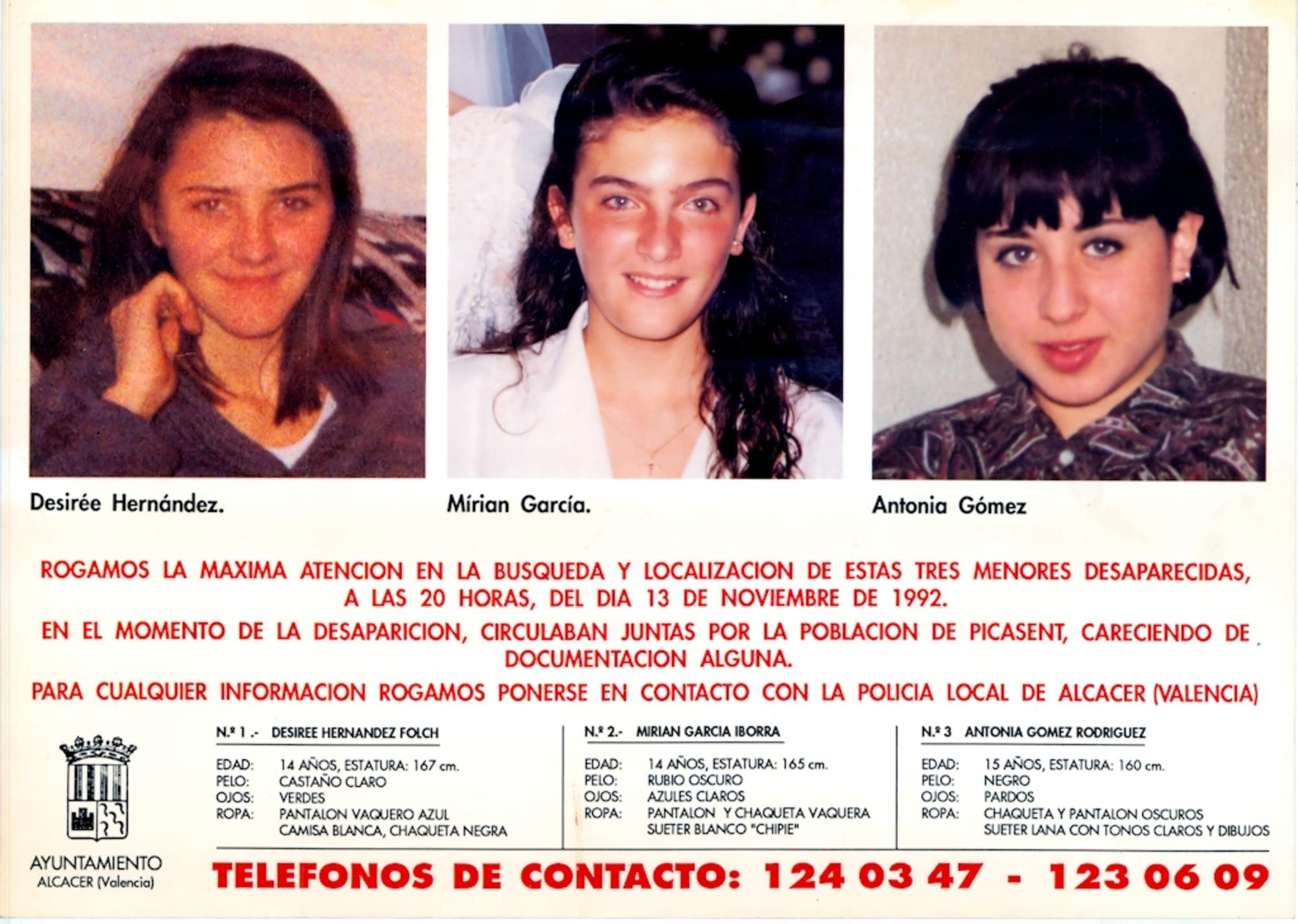
On November 13, 1992, three female teenagers aged 14 and 15 —Miriam García Iborra, Desirée Hernández Folch, and Antonia Gómez Rodríguez— disappeared while hitchhiking from Alcàsser to a nightclub in Picassent, within the province of Valencia. They were picked up in a vehicle driven by Antonio Anglés alongside accomplice Miguel Ricart Tárrega.
Using a 9mm Short caliber Star Model 1922 pistol, Anglés held the girls at gunpoint. They were taken to La Romana, a remote and rugged location in the municipality of Tous (province of Valencia). Inside a ruined structure, Anglés subjected the victims to hours of severe physical abuse, systematic sexual violence, and torture. Subsequently, Anglés executed all three victims with point-blank gunshots to the head. The bodies were wrapped in carpet material and buried in a clandestine pit.
3. Police Investigation and Manhunt
On January 27, 1993, two local beekeepers in La Romana (Tous, province of Valencia) discovered the burial site after spotting a human limb emerging from the soil. Civil Guard investigators and forensic pathologists recovered the remains of the three teenagers, establishing clear evidence of catastrophic physical trauma and homicide.
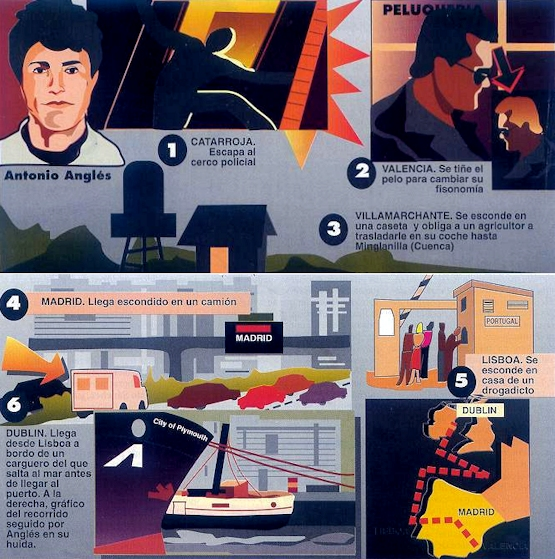
Crime scene technicians recovered torn pieces of a medical document near the burial site bearing the name of one of Anglés' brothers. This clue directed investigators directly to the Anglés residence in Catarroja (province of Valencia). On January 28, 1993, as law enforcement surrounded the apartment, Anglés leaped from a rear window, initiating an extensive manhunt across Spain.
4. Judicial Proceedings and Co-conspirator Trial
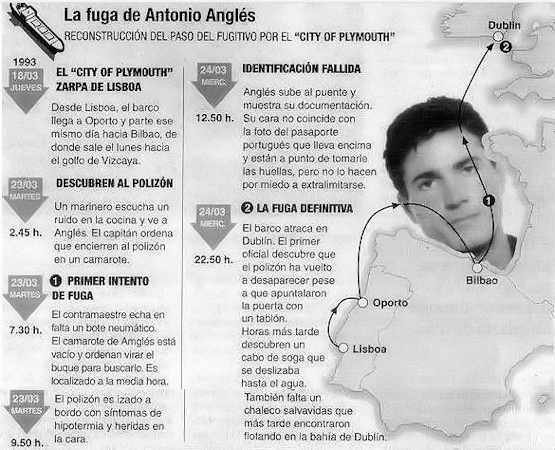
While co-perpetrator Miguel Ricart was arrested on January 28, 1993, in Catarroja and interrogated by authorities in Valencia, Antonio Anglés successfully evaded law enforcement checkpoints. Utilizing false identities and committing armed robberies, Anglés fled across the Iberian Peninsula into Lisbon, Portugal.
In March 1993, Anglés boarded the British cargo ship City of Plymouth as a stowaway. Upon discovery by the crew near the Irish coast, he was detained in a cabin but escaped by jumping overboard near Dublin Bay on March 24, 1993. In 1997, the Provincial Court of Valencia tried Miguel Ricart, sentencing him to 170 years in prison for kidnapping, rape, and murder.
5. Psychiatric Profile and Fugitive Status
From a forensic psychiatric perspective, Antonio Anglés epitomizes a psychopathic sexual predator driven by violent sadism. His psychological profile demonstrates absolute emotional detachment, rapid adaptability under pressure during evasion, and complete disregard for human life. Analysis established Anglés as the dominant and primary instigator during the Alcàsser crimes.
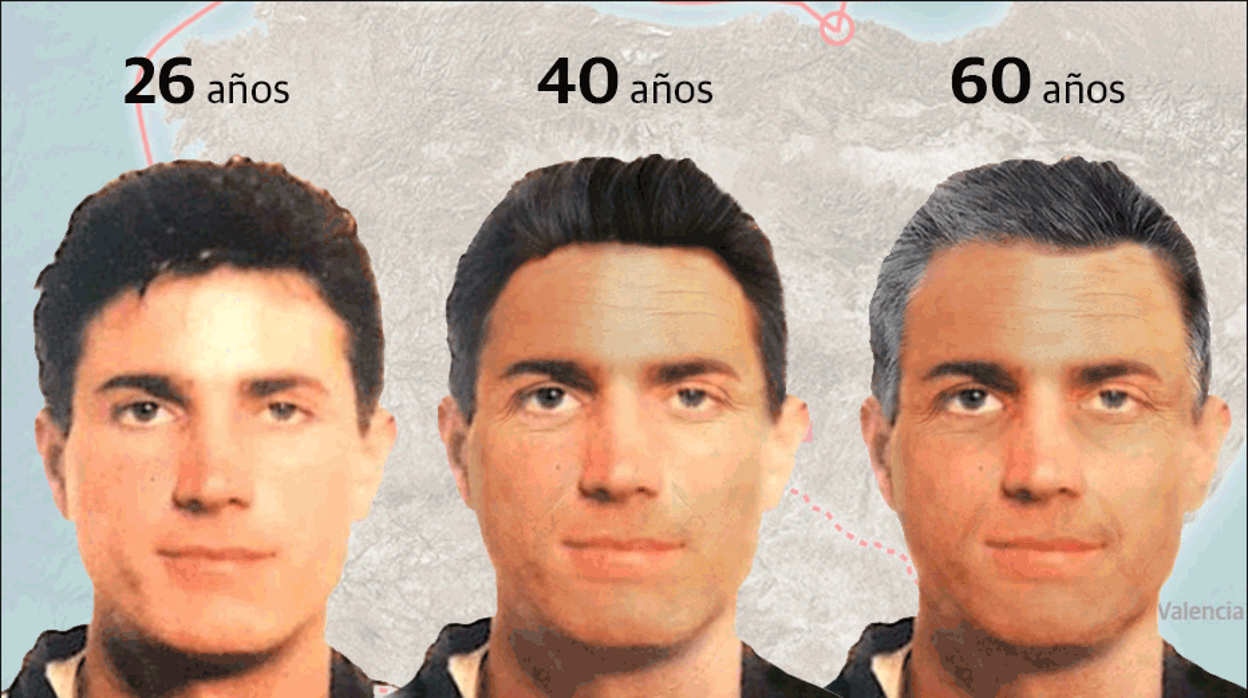
Despite exhaustive international investigations conducted by Interpol and Spanish police forces, Anglés' ultimate fate remains unresolved. The Instruction Court No. 6 of Picassent (Valencia) maintains an active international arrest warrant to prevent statutory limitation, keeping Anglés among the most wanted fugitives in European criminological history.