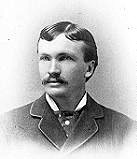
Forensic & Criminological Matrix
| Parameter | Forensic Detail |
|---|---|
| Forensic Heading / Aliases | James C. Dunham |
| Legal Identity | James C. Dunham |
| Confirmed Victims | 0 (fugitive status) |
| Attributed / Indicted Victims | 6 |
| Active Timeline | May 26, 1896 |
| Jurisdiction / Area of Operations | Campbell, California, USA |
| Criminological Classification | Mass Murderer |
| Forensic Modus Operandi | Use of axe and firearms (.38 and .45 caliber) |
| Weapon / Mechanism of Death | Axe, .38 revolver, .45 pistol |
| Motive / Behavioral Dynamics | Family conflict and alleged mental instability |
| Judicial Outcome | Unsolved / Fugitive |
1. Background and Profile
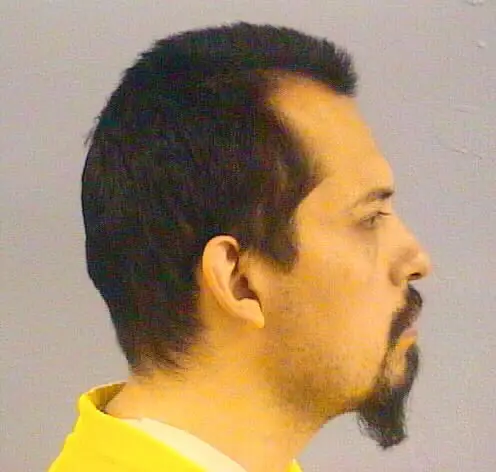
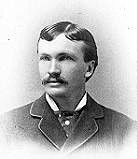
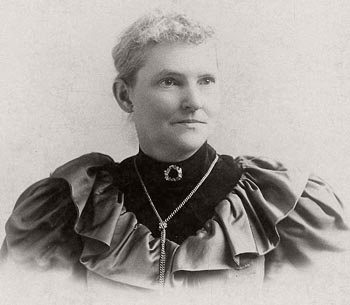
James C. Dunham was a resident of Campbell, California, married to Hattie McGlincy. The household was reportedly rife with tension, particularly involving his mother-in-law, Ada McGlincy, who allegedly sought to end the marriage. Dunham, a student at Santa Clara University, was described by his own brother as mentally unstable.
2. Crime Spree
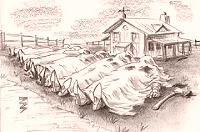
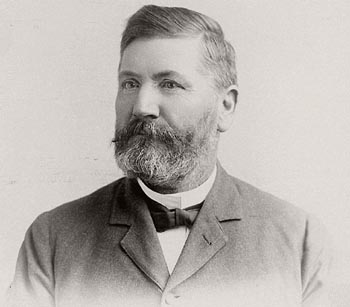
On May 26, 1896, Dunham carried out a brutal massacre at the McGlincy home. Armed with an axe and two handguns, he murdered his wife Hattie (25), his mother-in-law Ada (53), his stepfather-in-law Richard P. McGlincy (56), his brother-in-law James K. Wells (22), and two hired hands, Robert Briscoe (50) and Minnie Shesler (28). His three-week-old son was spared.
3. Investigation and Arrest
Dunham fled the scene on horseback. Despite a massive manhunt across Santa Clara County and various reported sightings, including near the Mexican border, he was never apprehended. Theories regarding his fate range from suicide to starvation in the mountains.
4. Legal Proceedings and Outcome
Due to his disappearance, Dunham was never tried in a court of law. However, a coroner's jury officially named him as the perpetrator of the six murders just two days after the event. The case remains officially unsolved.