Forensic & Criminological Matrix
| Parameter | Forensic Detail |
|---|---|
| Forensic Heading / Aliases | Huttenkloas |
| Legal Identity | Klaas Annink |
| Confirmed Victims | 1 (multiple suspected) |
| Active Timeline | 18th Century (c. 1774) |
| Jurisdiction / Area of Operations | Hengevelde, Twente, Netherlands |
| Criminological Classification | Multiple murderer / Rural criminal |
| Forensic Modus Operandi | Violent robbery and homicide of travelers |
| Weapon / Mechanism of Death | Physical force and bladed weapons |
| Motive / Behavioral Dynamics | Financial gain and predation |
| Judicial Outcome | Public execution (1775) |
1. Background and Profile
Klaas Annink, historically referred to as 'Huttenkloas', was a notorious Dutch criminal active in the Twente region. He operated alongside his wife, Aarne Spanjers, and his son, Jannes, forming a criminal family unit.
2. Crime Spree
The group was responsible for numerous robberies and disappearances in the Hengevelde area. Their modus operandi involved ambushing merchants and travelers, utilizing lethal force to ensure the theft of goods and to eliminate witnesses.
3. Investigation and Arrest
In 1774, a merchant from Hanover provided evidence linking Annink to the disappearance of a family member. This breakthrough led to his arrest and subsequent interrogation.
4. Legal Proceedings and Outcome
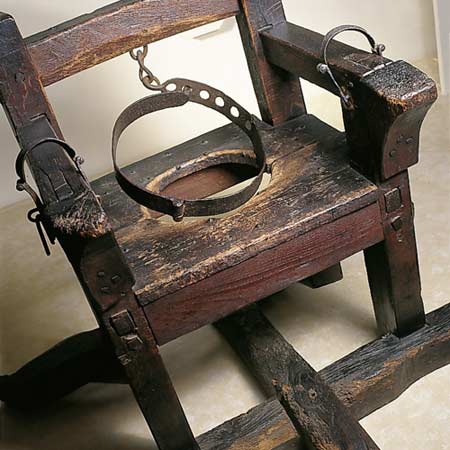
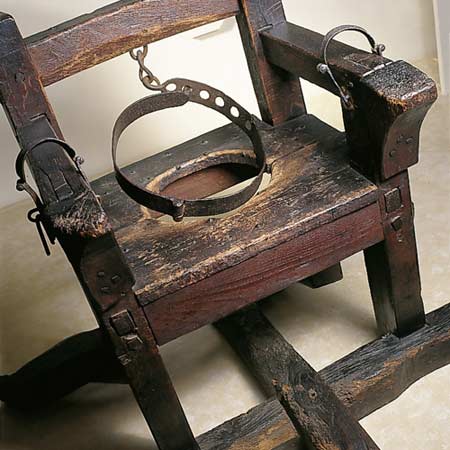
Annink was held for 114 days in a specially constructed chair, now known as the 'Chair of Huttenkloas'. Following a trial, he and his wife were sentenced to death and executed in 1775. The chair remains a historical artifact in the Palthehuis Museum.