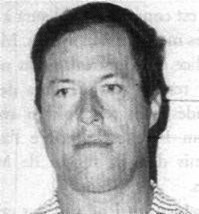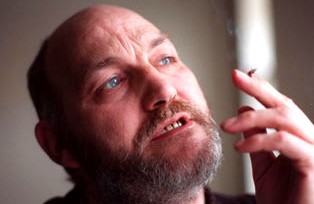
Forensic & Criminological Matrix
| Parameter | Forensic Detail |
|---|---|
| Forensic Heading / Aliases | The Beast of Harkstede |
| Legal Identity | Willem van Eijk |
| Confirmed Victims | 5 |
| Attributed / Indicted Victims | 8 |
| Active Timeline | 1971 - 2001 |
| Jurisdiction / Area of Operations | Netherlands |
| Criminological Classification | Sexual Serial Killer |
| Forensic Modus Operandi | Strangulation and stabbing with mutilation |
| Weapon / Mechanism of Death | Manual, ligature, knife |
| Motive / Behavioral Dynamics | Sexual sadism, social rejection, congenital brain damage |
| Judicial Outcome | Life imprisonment (2002) |
1. Background and Profile
Willem van Eijk was born in 1941 in Korteraar. His childhood was marked by severe bullying, leading to his nickname "Gekke Willempie". This social alienation and deep-seated resentment toward women became the foundation for his psychopathic development. His early history of animal cruelty and collection of morbid items served as precursors to his later violent crimes.
2. Crime Spree
Van Eijk's criminal activity spanned decades. His first confirmed victims were Cora Mantel (1971) and Aaltje van der Plaat (1974). After serving time and being released in 1990, he moved to Harkstede. Between 1993 and 2001, he targeted vulnerable women, specifically sex workers, including Michelle Fatol, Annelies Reinders, and Sasja Schenker, utilizing manual strangulation as his primary method of execution.
3. Investigation and Arrest
Police investigations were hampered by the lack of initial forensic links. Although he was a suspect in several high-profile cases, DNA evidence cleared him of those specific murders. The breakthrough occurred when Sasja Schenker's clothing was discovered near his residence, leading to his arrest on November 12, 2001.
4. Legal Proceedings and Outcome
During his trial, van Eijk confessed to the murders of Fatol, Reinders, and Schenker. On November 7, 2002, he was sentenced to life imprisonment. All subsequent appeals and requests for clemency were rejected by the Supreme Court of the Netherlands.
5. Psychiatric Evaluation and Death
Psychiatric evaluations conducted at the Van Mesdag clinic pointed to a combination of childhood trauma and potential congenital brain damage. Van Eijk remained incarcerated until his death in 2019.