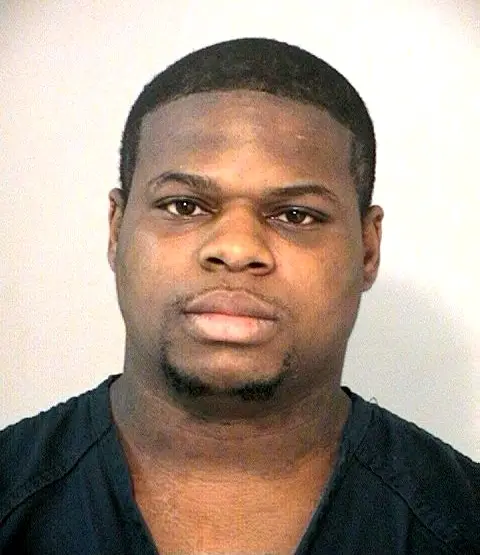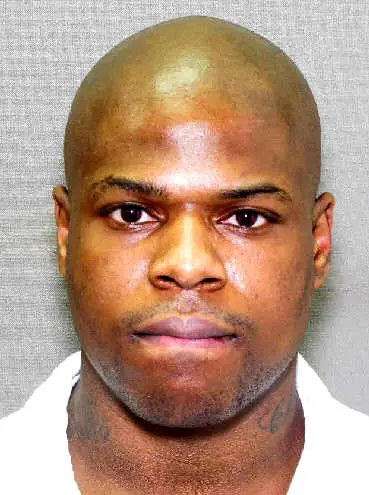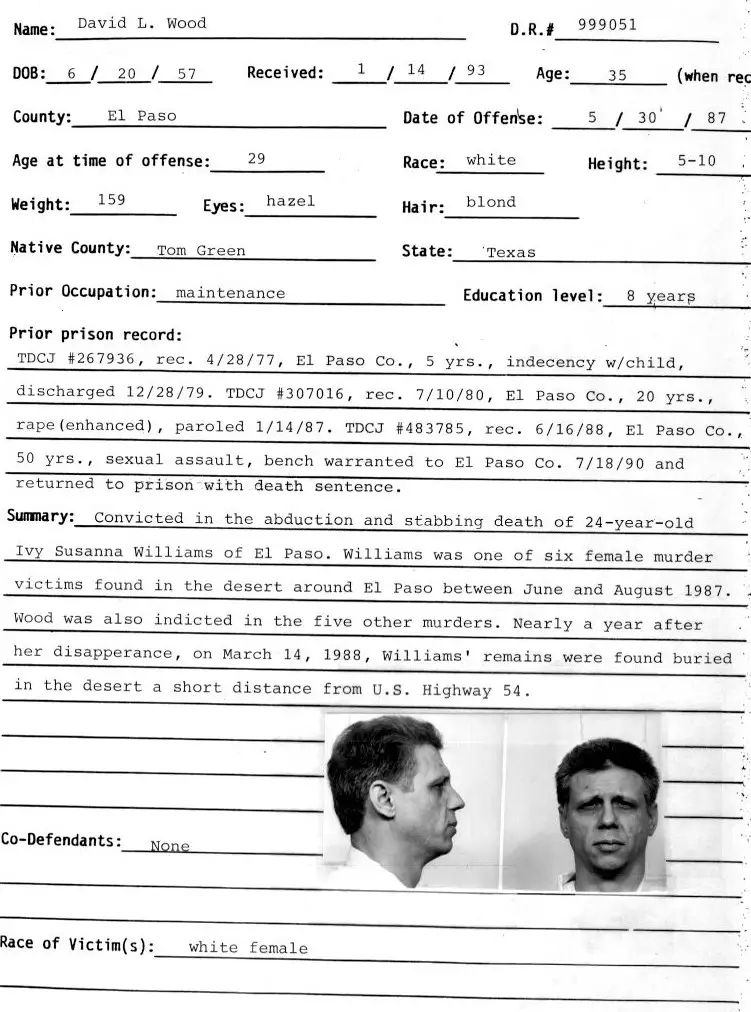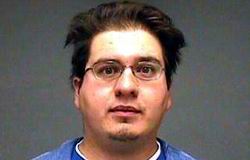


Forensic & Criminological Matrix
| Parameter | Forensic Detail |
|---|---|
| Forensic Heading / Aliases | Terence Andrus |
| Legal Identity | Terence Tramaine Andrus |
| Confirmed Victims | 2 (Avelino Diaz and Kim Phuong Bui) |
| Active Timeline | October 15, 2008 |
| Jurisdiction / Area of Operations | Houston / Sugar Land, Fort Bend County, Texas, USA |
| Criminological Classification | Violent street offender / Opportunistic carjacking spree killer |
| Forensic Modus Operandi | Ambushing vehicle occupants in commercial parking lots for grand theft auto, executing resisting or fleeing victims with point-blank headshots |
| Weapon / Mechanism of Death | .380 caliber semi-automatic pistol |
| Motive / Behavioral Dynamics | Armed robbery under the acute influence of PCP and cocaine; antisocial personality disorder |
| Judicial Outcome | Sentenced to death in November 2012 by the 240th District Court of Fort Bend County |
1. Background and Profile
Terence Tramaine Andrus was born on March 26, 1988, in Texas. His criminological background highlights a dysfunctional family environment and an early onset of juvenile delinquency and violence. Prior to committing the murders that landed him on death row, Andrus had a criminal record involving stints with the Texas Youth Commission (TYC) for criminal solicitation to commit aggravated robbery in Harris County. He was released upon sentence expiration in February 2008, merely months before his lethal escalation.
2. Crime Spree and Modus Operandi
In the early hours of October 15, 2008, Andrus engaged in a violent spree of attempted carjackings in the parking lot of a Kroger grocery store along Highway 6 in Fort Bend County, Texas. His operational modus operandi involved suddenly targeting motorists sitting in their vehicles to forcefully steal them.
In the first assault, he approached 31-year-old Avelino Diaz, who was waiting in his vehicle while his wife shopped inside. Following an altercation, Andrus shot Diaz in the head, resulting in his death three days later at Memorial Hermann Hospital. Immediately afterward, Andrus targeted another sector of the parking lot, approaching a vehicle driven by Steve Bui alongside his 49-year-old wife, Kim Phuong Bui. When Steve Bui attempted to speed away to escape, Andrus opened fire multiple times, striking Kim Bui in the head and fatally wounding her before she reached the hospital.
3. Investigation and Forensic Capture
Following the shootings, Andrus fled the scene on foot, concealing the murder weapon near his apartment. The Fort Bend County Sheriff's Office investigation utilized surveillance footage from nearby commercial establishments to reconstruct the suspect's movements and locate where the weapon was stashed.
A Crime Stoppers bulletin featuring a suspect composite was released to the public. In late October 2008, a citizen tip identified Andrus. Anticipating capture, he fled to New Orleans, Louisiana. On November 7, 2008, New Orleans police officers apprehended Andrus on an unrelated Harris County aggravated robbery warrant.
4. Legal Proceedings and Outcome
During his extradition back to Texas under police custody, Andrus confessed to the Kroger parking lot homicides. His formal capital murder trial commenced in November 2012 before the 240th District Court, presided over by Judge Thomas Culver III.
During the penalty phase, the prosecution presented extensive testimony regarding Andrus's violent history, including assaults on law enforcement officers and prior robbery victims, establishing him as a continuing threat to society. The defense countered by emphasizing a troubled upbringing and presenting testimony that Andrus was under the influence of PCP and cocaine during the offenses. On November 14, 2012, the jury returned a guilty verdict for capital murder, sentencing Andrus to death.
5. Psychiatric Evaluation and Aftermath
Psychiatric evaluations underscored an entrenched pattern of antisocial behavior exacerbated by heavy substance abuse from adolescence onward. Prosecutors and experts demonstrated that his propensity for lethal violence when confronted with resistance reflected a total disregard for human life. The case remains a notable benchmark within the Texas judicial system regarding capital punishment for violent felonies committed under drug intoxication.