



Forensic & Criminological Matrix
| Parameter | Forensic Detail |
|---|---|
| Forensic Heading / Aliases | Donnie Andrews |
| Legal Identity | Larry Donnell Andrews |
| Confirmed Victims | 2 (Zachary Roach and Rodney "Touche" Young) |
| Active Timeline | 1970s – 1986 |
| Jurisdiction / Area of Operations | Baltimore, Maryland, United States |
| Criminological Classification | Urban criminal, armed robber, and contract hitman (later reformed anti-violence advocate) |
| Forensic Modus Operandi | Armed robberies targeting local drug networks under a restrictive ethical code, followed by firearm-based contract execution |
| Weapon / Mechanism of Death | Firearms (handguns) |
| Motive / Behavioral Dynamics | Severe heroin addiction and criminal economic coercion |
| Judicial Outcome | Sentenced to life imprisonment in 1987; paroled and released in 2005 following extensive police cooperation and rehabilitation |
1. Background and Profile
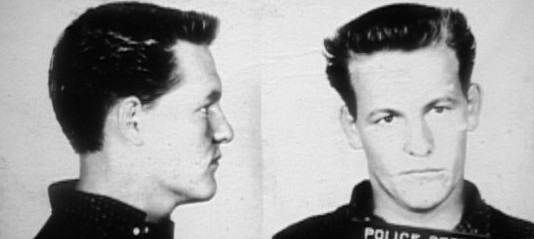
Larry Donnell "Donnie" Andrews grew up in extreme poverty within the housing projects of West Baltimore. His childhood was marred by severe physical abuse from his mother and early exposure to urban violence, including witnessing murders at a tender age. He developed a debilitating heroin addiction that propelled his criminal trajectory as a stickup artist targeting drug dealers.
2. Crime Spree
Operating within Baltimore's violent drug trade during the 1970s and early 1980s, Andrews adhered to a personal code that strictly forbade harming women or children. His criminal pinnacle and downfall occurred in 1986 when local drug kingpin Warren Boardley enlisted Andrews and Reggie Gross to execute Zachary Roach and Rodney "Touche" Young to support Andrews' heroin dependency.
3. Investigation and Arrest
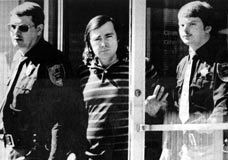
Overwhelmed by profound guilt following the contract killings, Andrews made the unprecedented decision to surrender to Baltimore Police homicide detective Ed Burns. He cooperated extensively with law enforcement, wearing a covert wire to implicate Boardley and Gross, thereby dismantling the local syndicate's leadership.
4. Legal Proceedings and Outcome
In 1987, Andrews was convicted of first-degree murder and sentenced to life imprisonment. During nearly two decades behind bars, he successfully combated his heroin addiction, educated himself, and established anti-gang counseling programs to redirect fellow inmates away from violence.
5. Psychiatric Assessment and Aftermath
Andrews' trajectory represents an exceptional paradigm of behavioral rehabilitation. Backed by detective Ed Burns, journalist David Simon, and prosecutor Charlie Scheeler, Andrews was paroled in 2005. He dedicated his remaining years to youth outreach and anti-violence programs, establishing foundations like "Why Murder?". Furthermore, his complex moral framework and lifestyle directly inspired the creation of Omar Little, one of television's most iconic characters in HBO's The Wire. Andrews passed away on December 13, 2012, in Manhattan from an aortic dissection at the age of 58.