




Forensic & Criminological Matrix
| Parameter | Forensic Detail |
|---|---|
| Forensic Heading / Aliases | Tough Tony, Tony Boyle |
| Legal Identity | William Anthony Boyle |
| Confirmed Victims | 3 (Joseph Yablonski, Margaret Yablonski, Charlotte Yablonski) |
| Attributed / Indicted Victims | 3 |
| Active Timeline | 1969 |
| Jurisdiction / Area of Operations | Clarksville, Pennsylvania, United States |
| Criminological Classification | Murder-for-hire mastermind / Labor union criminal conspirator |
| Forensic Modus Operandi | Embezzlement of union funds to finance contract killers, premeditated conspiracy, and coordinated execution at victims' residence |
| Weapon / Mechanism of Death | Firearms (contract execution) |
| Motive / Behavioral Dynamics | Preservation of autocratic power, elimination of internal political opposition and union reformism |
| Judicial Outcome | Convicted of first-degree murder (three consecutive life sentences) after retrials and failed appeals |
1. Background and Profile
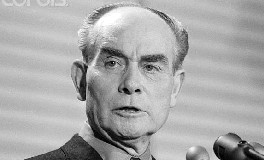
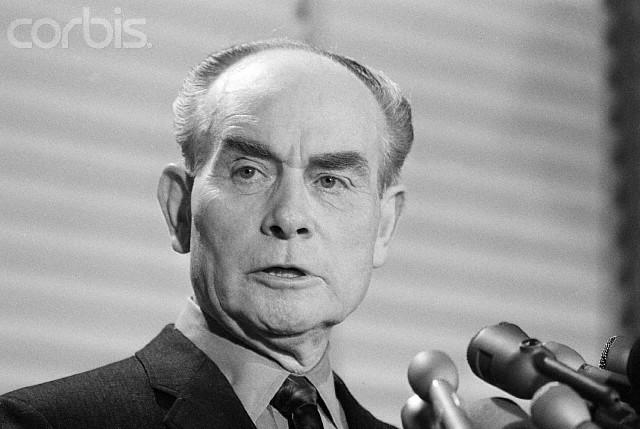
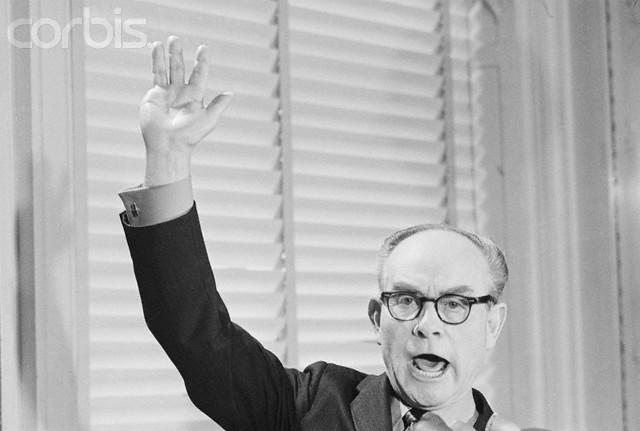
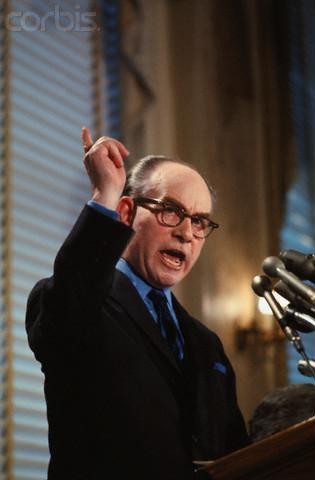
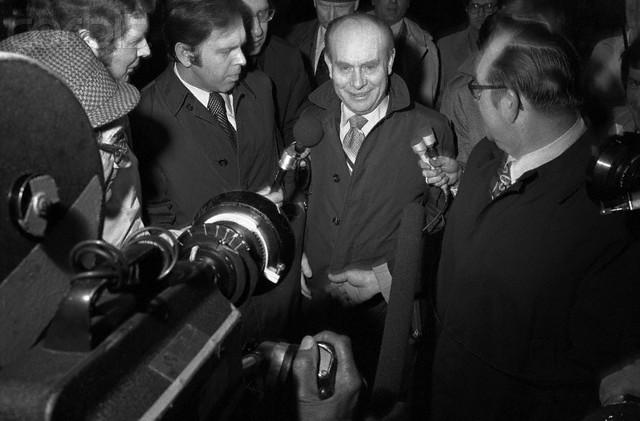
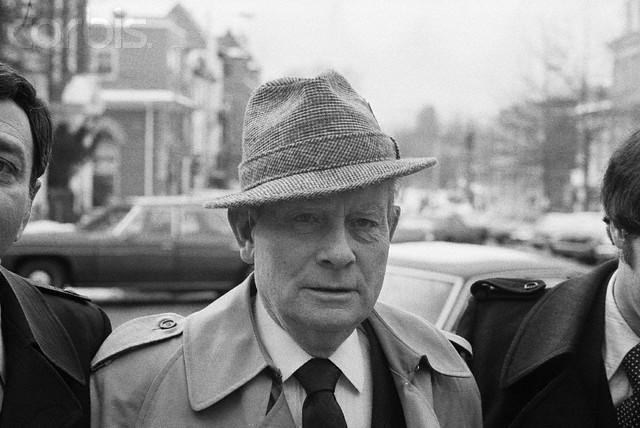
William Anthony Boyle, known as "Tony" or "Tough Tony," was born in 1904 in a mining camp in Montana. Descended from a multi-generational Irish mining family, Boyle rose through the ranks of the United Mine Workers of America (UMWA) under the patronage of legendary leader John L. Lewis. Upon Lewis's retirement and subsequent transitions, Boyle assumed the union presidency in 1963. His administration quickly became notorious for authoritarian governance, financial corruption, and disregard for rank-and-file democratic reforms.
2. Crime Spree and Modus Operandi
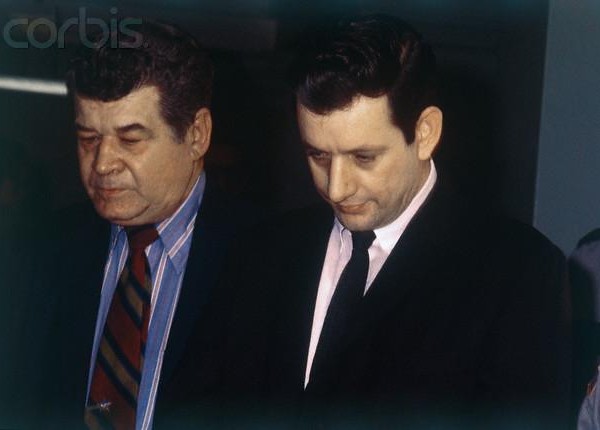
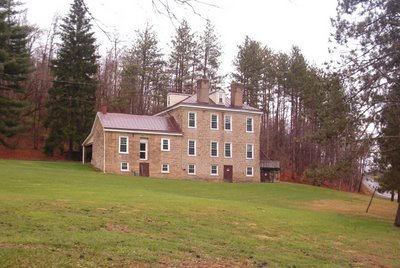
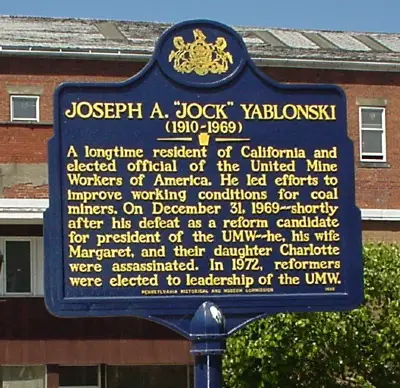
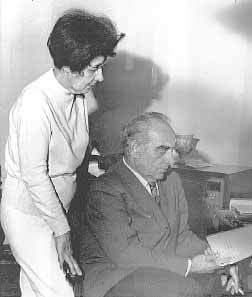
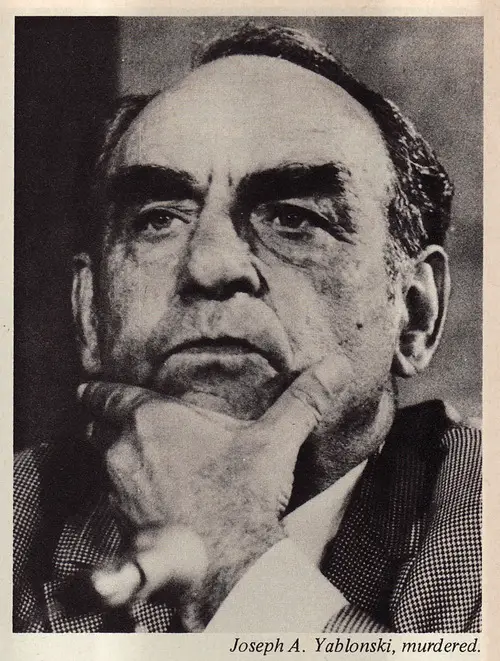
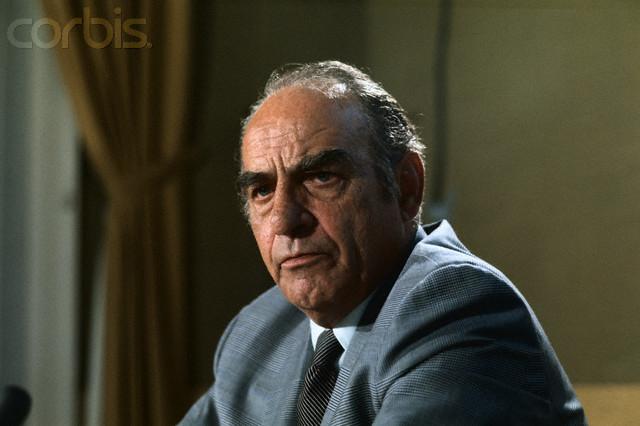
By 1969, Boyle's autocratic rule faced a serious electoral challenge from reform candidate Joseph A. "Jock" Yablonski. Threatened by the loss of his grip on the union, Boyle conspired to murder his rival. In September 1969, Boyle embezzled $20,000 in union funds, funneling the money through UMWA executive Albert Pass to hire hitmen (Paul Gilly, Aubran Martin, and Claude Vealey). On December 31, 1969, the conspirators broke into the Yablonski home in Clarksville, Pennsylvania, executing Joseph Yablonski, his wife Margaret, and their 25-year-old daughter Charlotte as they slept.
3. Investigation and Arrest
The high-profile murders sparked an unprecedented federal investigation involving the U.S. Department of Labor and federal law enforcement agencies. Although the hitmen attempted to conceal their actions, physical evidence left at the crime scene led to their swift arrest within days. Subsequent confessions and investigative pressure exposed the financial trail leading directly from the perpetrators through union intermediaries to Boyle himself.
4. Legal Proceedings and Outcome
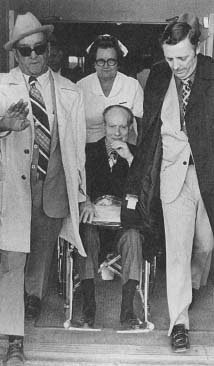
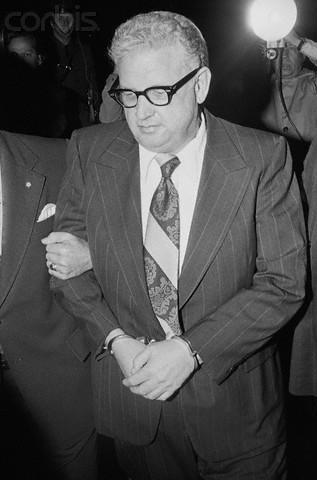
Boyle faced multiple indictments for embezzlement and first-degree murder. In September 1973, facing mounting evidence and impending trials, he attempted suicide. He was convicted of murder in 1974 and sentenced to three consecutive life terms. Following procedural appeals, a retrial was ordered, and Boyle was again found guilty in February 1978. His subsequent appeals were denied, and he served his sentence in maximum security facilities.
5. Psychological Evaluation and Outcome
Criminologically, Boyle exhibited the traits of an autocratic personality driven by pathological retention of power, willing to utilize lethal violence to suppress institutional dissent. His final years in prison were marked by declining health, heart ailments, and a stroke in 1983. Boyle died in a Wilkes-Barre hospital on May 31, 1985, at the age of 83, while still serving his sentence.