



Forensic & Criminological Matrix
| Parameter | Forensic Detail |
|---|---|
| Forensic Heading / Aliases | The Cannibal Brothers of Darya Khan |
| Legal Identity | Mohammad Arif Ali and Mohammad Farman Ali |
| Confirmed Victims | 2 documented cases (an adult female and a 3-year-old child) with suspicions of over 100 desecrations |
| Active Timeline | 2011 - 2014 |
| Jurisdiction / Area of Operations | Darya Khan, Punjab Province, Pakistan |
| Criminological Classification | Necrophagous / Serial Cannibals |
| Forensic Modus Operandi | Nocturnal exhumation of freshly buried corpses, extraction of limbs and soft tissue, followed by culinary preparation in curry for domestic consumption |
| Weapon / Mechanism of Death | Butcher's axe, kitchen knives, and excavation implements |
| Motive / Behavioral Dynamics | Paraphilic disorder and necrophilic cannibalism |
| Judicial Outcome | Initially sentenced to two years in prison in 2011 for grave desecration; re-arrested in 2014 following the discovery of infant remains |
1. Background and Profile
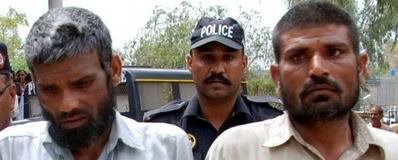
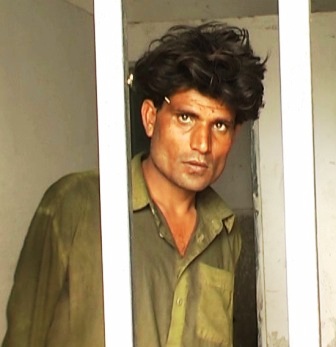
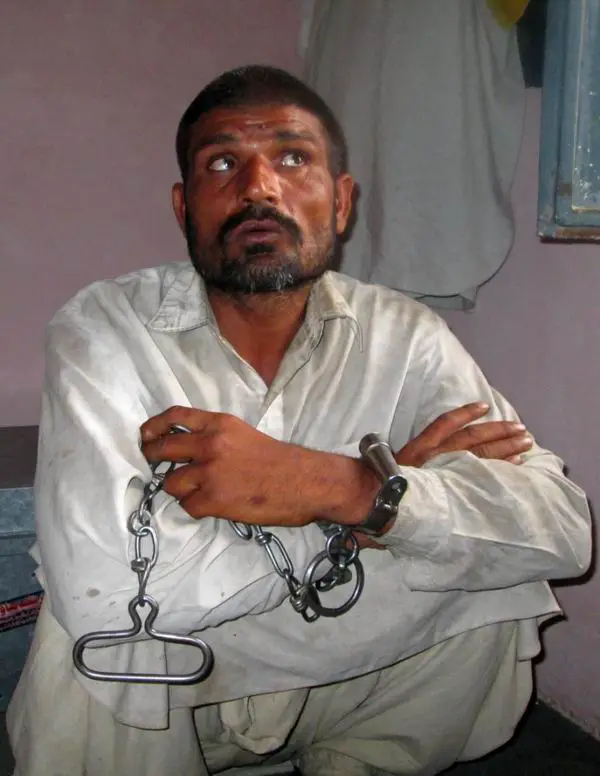
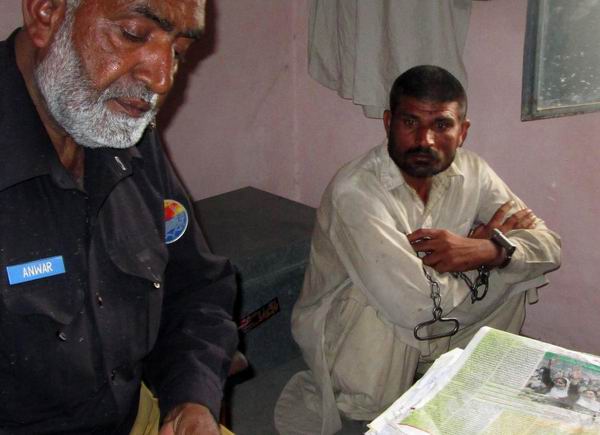
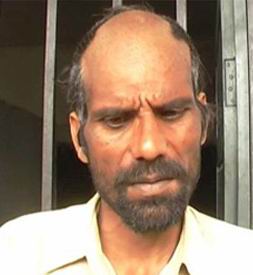
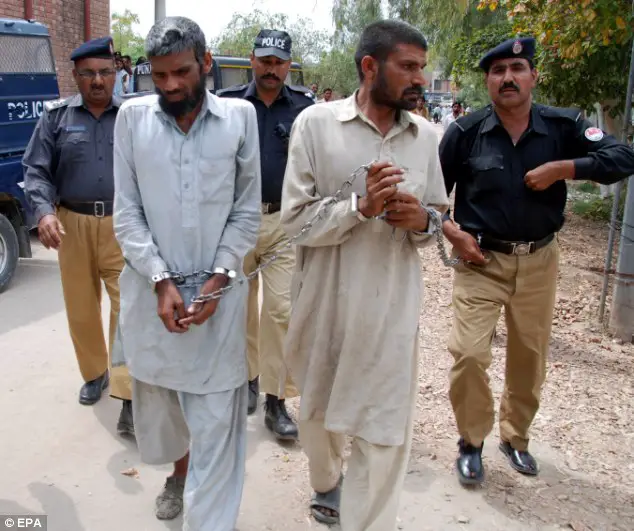
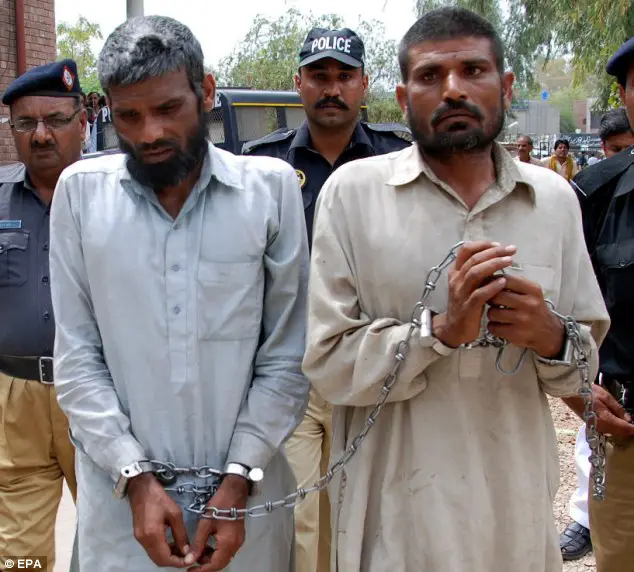
Mohammad Arif Ali and his brother Mohammad Farman Ali lived in the small rural town of Darya Khan in Pakistan's Punjab province. Both had previously been married with children, but their wives abandoned them prior to their initial arrest due to increasingly erratic and alarming behavior. Their isolated living conditions enabled them to carry out their illicit activities without attracting immediate suspicion from distant neighbors.
2. Crime Spree and Modus Operandi
The Ali brothers' criminal pattern involved monitoring local cemeteries for recent burials. Operating under the cover of night, they exhumed corpses, transported them to their residence, and dismembered the limbs and soft tissue using butchering tools. They subsequently cooked the human meat in curry spices to mask odors for domestic consumption. Their first uncovered crime in 2011 involved stealing the corpse of a 24-year-old woman who had died of cancer. In 2014, they were implicated in a case involving the head of a three-year-old boy.
3. Investigation and Forensic Pursuit
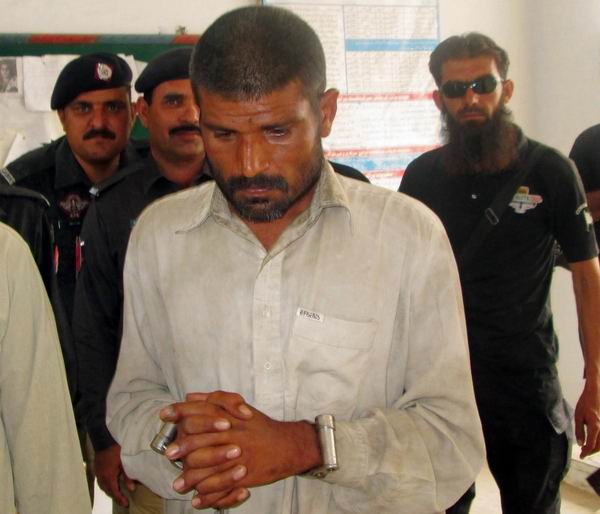
The initial police intervention took place in April 2011 after local residents complained of foul odors and swarms of insects emanating from the brothers' home. Upon raiding the property, officers discovered a pot containing meat curry, butcher's tools with biological residue, and the mutilated body of the female victim hidden beneath fertilizer sacks. Following their release in 2013, public outcry preceded a new police raid in April 2014 after renewed stench reports led to the discovery of an infant's head.
4. Legal Proceedings and Outcome
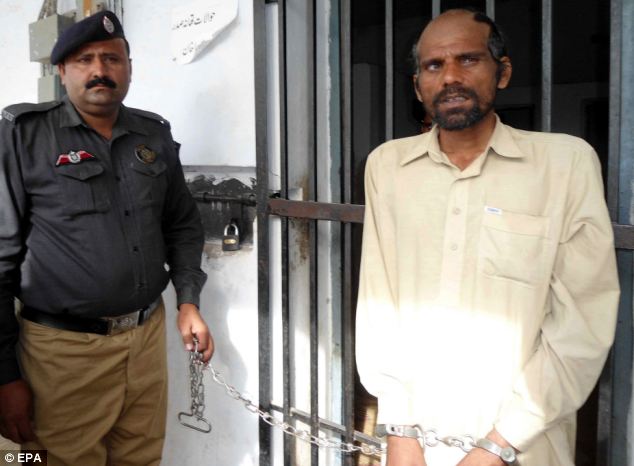
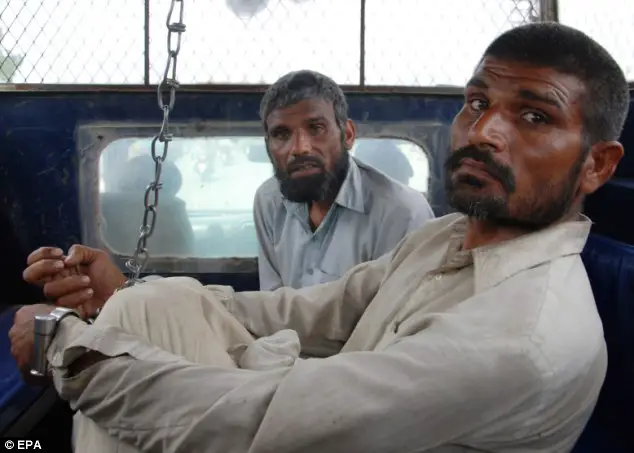
Because Pakistani law at the time lacked a specific statute criminalizing cannibalism, the brothers were prosecuted and sentenced in 2011 solely for grave desecration and corpse theft, serving a brief two-year prison term. Their release in May 2013 triggered massive public protests and highway blockades in Punjab. Following their re-arrest in 2014, they faced severe judicial scrutiny under protective custody to prevent public lynching.
5. Psychiatric Evaluation and Final Disposition
Forensic evaluations and interviews indicated profound psychological aberrations and a blatant minimization of their heinous acts, though formal declarations of legal insanity were not established. The case exposed critical legislative loopholes in Pakistan's penal code regarding necrophagia and corpse desecration, prompting widespread demands for legal reform.