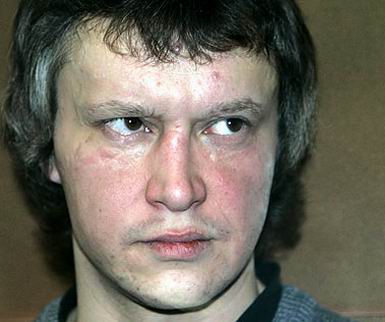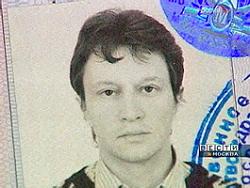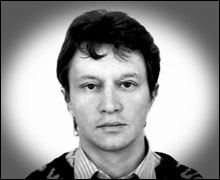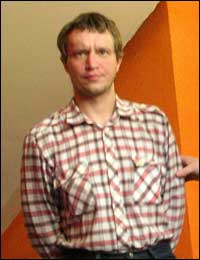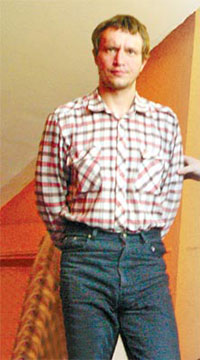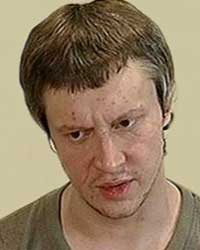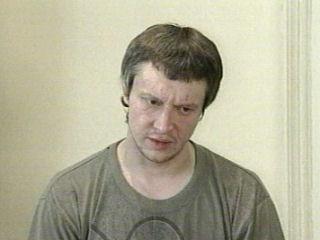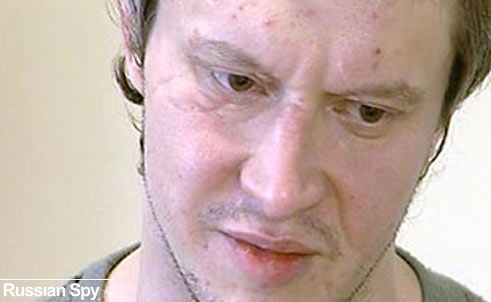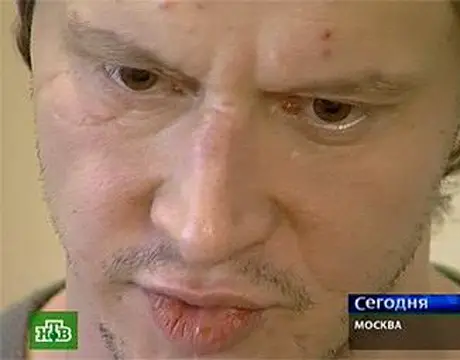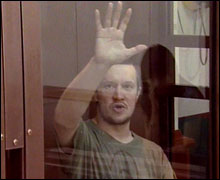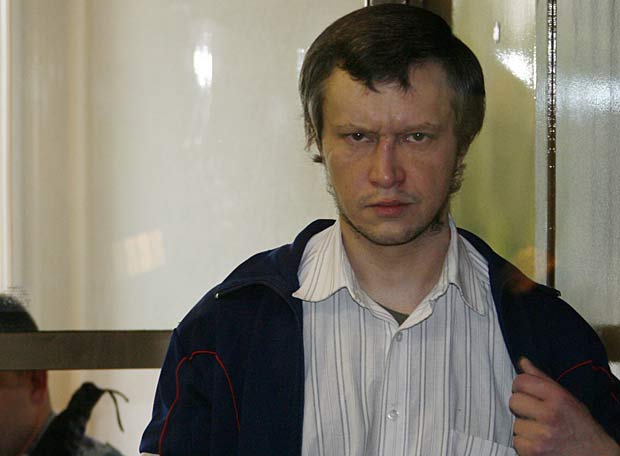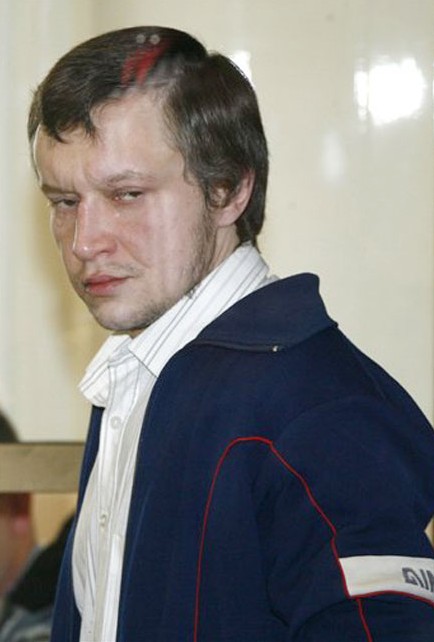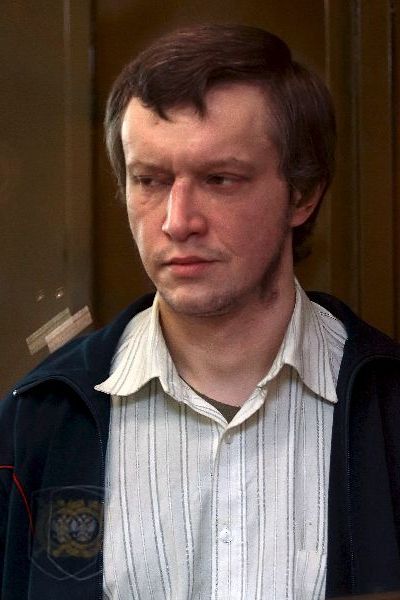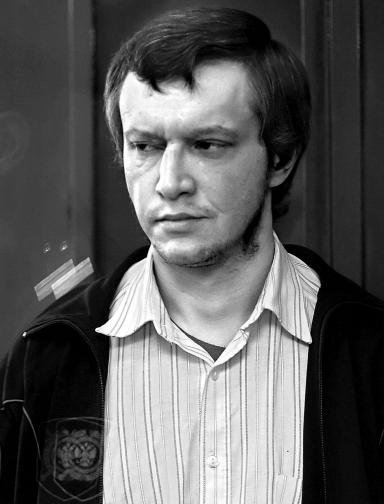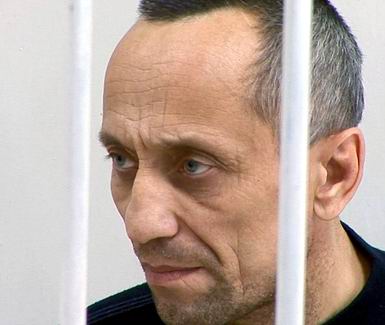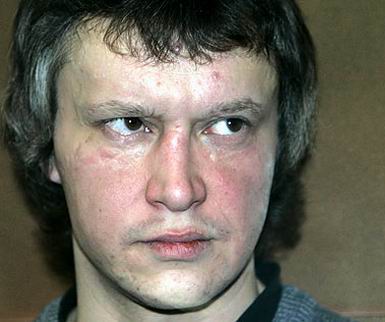



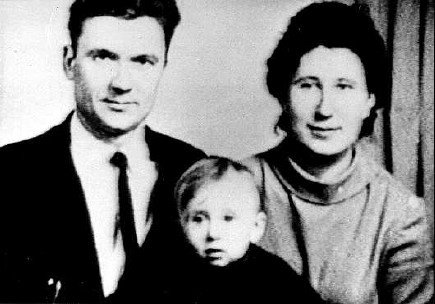
Alexander Pichushkin: «The Chessboard Killer» of Bitsa Park and the 64-Square Obsession
Executive Summary
Between 1992 and June 2006, within the dense woodland of Bittsevsky Park (popularly known as Bitsa Park) on the southwestern edge of Moscow, Alexander Yuryevich Pichushkin (born 1974), a solitary supermarket logistics worker and amateur chess player, carried out the systematic murder of at least forty-eight individuals—predominantly elderly, marginalized men, fellow chess enthusiasts, and vulnerable female acquaintances—constituting the deadliest serial homicide series in post-Soviet Russia since the capture of Andrei Chikatilo.
Dubbed by the global press as «The Chessboard Killer» and «The Bitsa Park Maniac», Pichushkin harbored a megalomaniacal fixation: to claim one victim for each of the sixty-four squares of a standard chessboard, placing a numbered coin and recording dates upon each square with the stated ambition of surpassing Chikatilo's official record (52 victims). His modus operandi consisted of luring targets into isolated forest glades under the pretext of drinking vodka to toast the memory of his deceased dog. Once the victim was heavily intoxicated, he bludgeoned them from behind using a steel claw hammer or hurled them alive into the subterranean storm-sewer drainage network to drown in the slurry. In his final killings, he wedged broken vodka bottles or tree branches into open cranial fractures as an unmistakable signature.
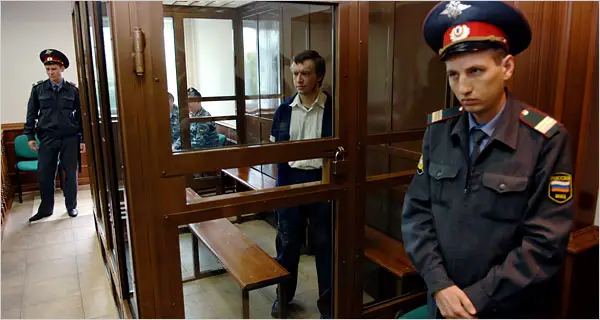
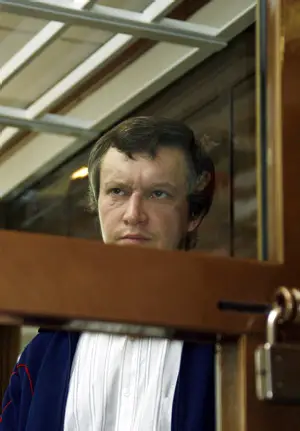
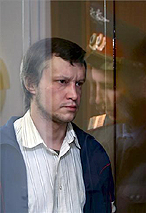
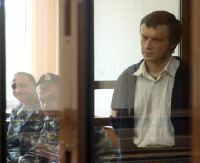
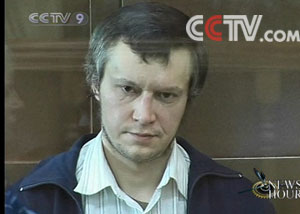
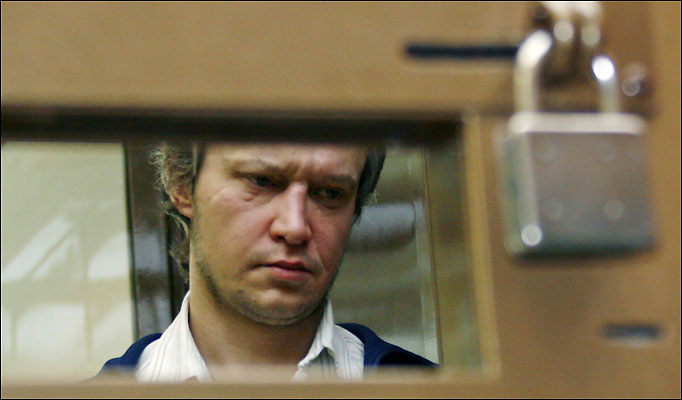
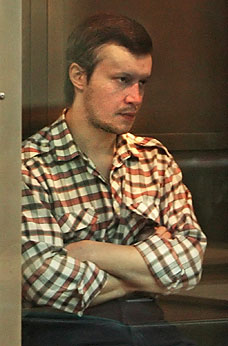
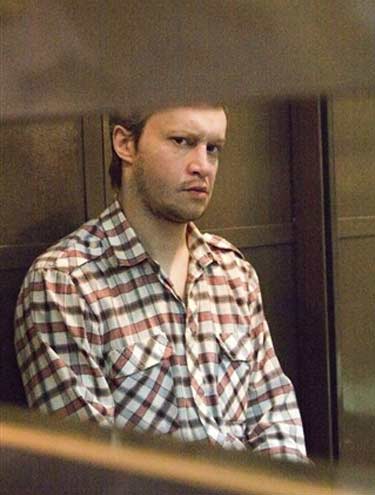
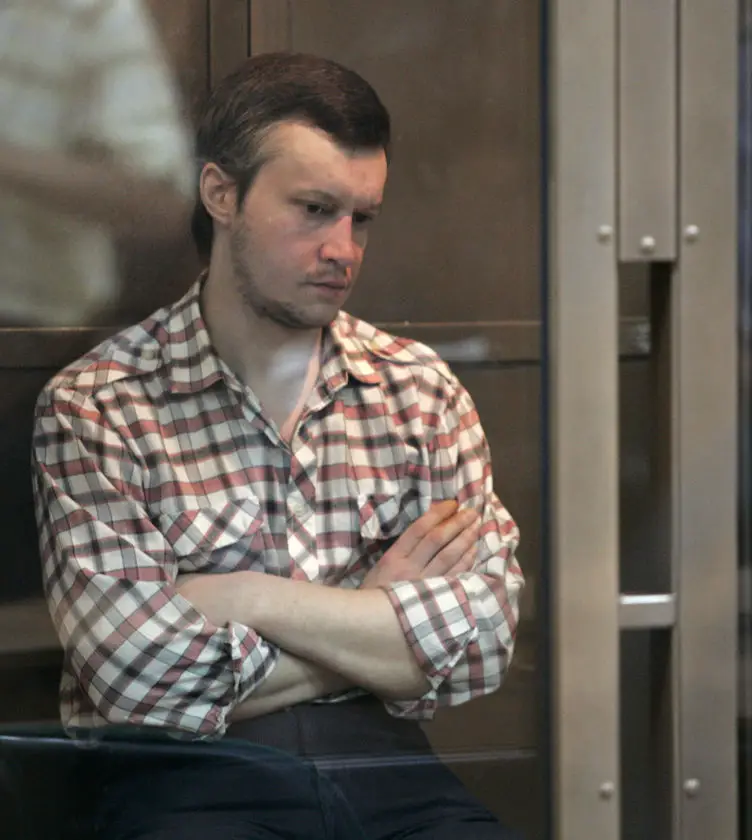
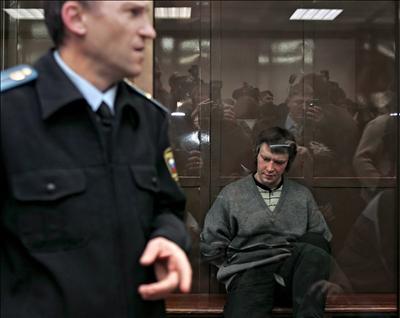
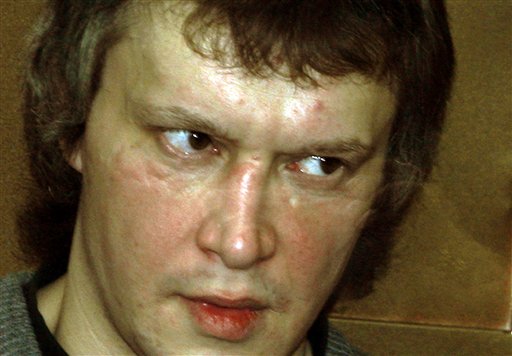
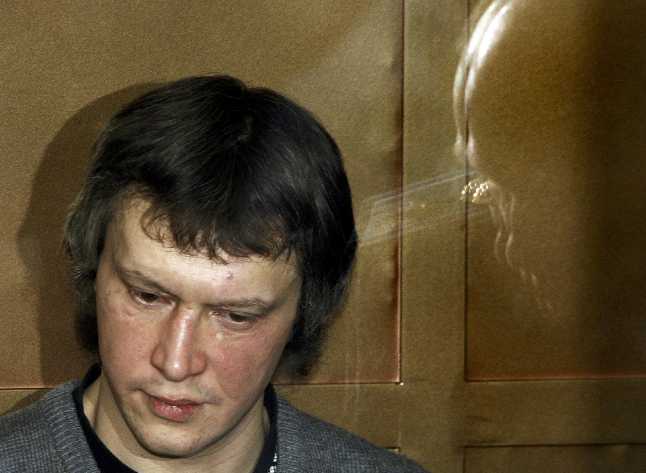
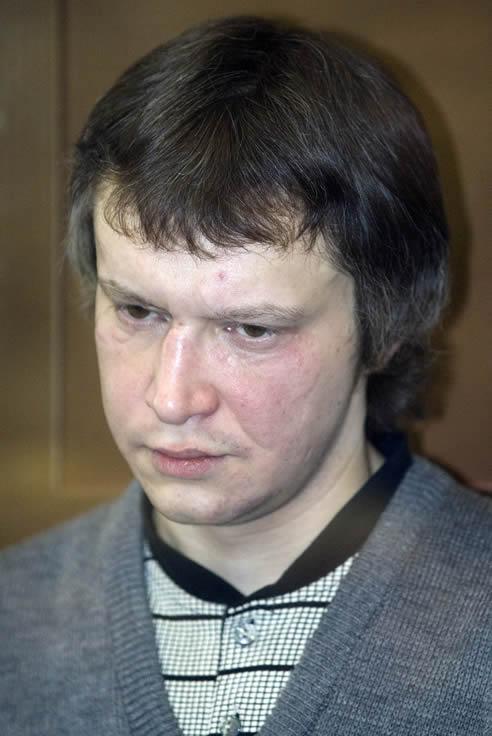
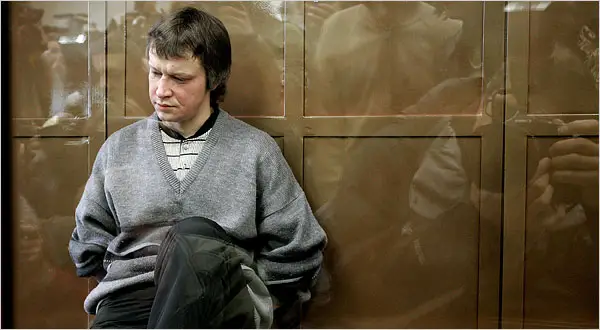
His apprehension came in June 2006 thanks to the foresight of his final victim, Marina Moskalyova, who left a note for her son with Pichushkin's phone number and a metro receipt before accompanying him to the park. Tried in the Moscow City Court inside a reinforced glass enclosure, Pichushkin openly boasted of having slain over sixty victims, remarking that "to me, killing was like falling in love: something indispensable." Ruled legally sane by the Serbsky State Scientific Center for Social and Forensic Psychiatry, he was sentenced to life imprisonment under special strict regime at the «Polar Owl» (Polyarnaya Sova) penal colony in the Russian Arctic.
Forensic & Criminological Matrix
| Parameter | Forensic Detail |
|---|---|
| Legal Identity | Alexander Yuryevich Pichushkin (Александр Юрьевич Пичушкин) |
| Criminological Aliases | "The Chessboard Killer" / "The Bitsa Maniac" / "The Monster of Moscow" |
| Date of Birth | April 9, 1974 (Mytishchi, Moscow Oblast, USSR) |
| Criminological Classification | Organized Serial Killer / Hedonistic Narcissistic Psychopath / Competitive Fixation |
| Confirmed Fatalities | 48 homicides and 3 attempted murders adjudicated (claimed 60 completed killings) |
| Active Criminal Span | 1992 – June 14, 2006 (14 years of episodic and continuous serial predation) |
| Primary Crime Scene | Bittsevsky Forest Park (Chertanovo and Yasenevo districts, Moscow, Russia) |
| Weapons Employed | Steel carpenter's claw hammer, metal pipes, and storm sewer manholes |
| Forensic Signature | Vodka bottles or birch sticks rammed into cranial fracture defects |
| Psychiatric Finding | Serbsky Institute: Sane, non-psychotic; severe antisocial and sadistic narcissistic personality disorder |
| Judicial Disposition | Life imprisonment under special strict regime imposed by Judge Vladimir Usov on October 29, 2007 |
| Current Incarceration | Special Regime Correctional Colony No. 18 «Polar Owl» (Harp, Yamalo-Nenets Autonomous Okrug) |
Childhood, Head Trauma, and Chess Mentorship (1974–1992)
Alexander Pichushkin grew up in Mytishchi and later in a modest apartment in Chertanovo, Moscow, raised by his mother Natalia following his father's early desertion.
At age four, he suffered a severe head injury on a neighborhood playground: a heavy wooden pendulum swing struck his forehead at high velocity, inflicting a severe concussive cerebral contusion. Forensic neuropsychiatrists later documented that this traumatic brain injury resulted in permanent left frontal lobe damage, impairing impulse regulation and emotional inhibition. Following the trauma, Pichushkin developed speech articulation impediments and was enrolled in a specialized school for children with learning disabilities, where he endured chronic bullying.
His maternal grandfather recognized the boy's tactical intellect and rescued him from social isolation by teaching him chess. Together, they spent thousands of hours competing on Bitsa Park benches against local chess regulars. His grandfather provided the sole secure attachment of his life; when the elderly man died in the early 1990s, shortly followed by the death of his beloved mixed-breed dog, Pichushkin experienced an emotional void dominated by violent fantasies of omnipotence over life and death.
First Homicide: Mikhail Odiychuk (1992)
In the summer of 1992, at age 18, Pichushkin proposed a homicidal pact to his vocational school classmate, Mikhail Odiychuk: to emulate the newly apprehended serial killer Andrei Chikatilo and embark upon a cross-city murder spree.
When Odiychuk realized the proposal was genuine and threatened to inform the police, Pichushkin determined that his friend would become his first victim:
- He escorted Odiychuk to a secluded sewer ventilation well in Bitsa Park.
- Following a physical struggle, Pichushkin strangled him and shoved his body down the shaft into the raging subterranean waters leading to the Moskva River.
- The corpse was never recovered. Moscow militsiya questioned Pichushkin as the last person seen with Odiychuk, but lacking physical evidence of a crime, authorities classified the disappearance as a teenage runaway.
- Years later, Pichushkin reflected: "The first murder is like first love: unforgettable. Being that close to death gave me an absolute sense of ecstasy I needed to experience again and again."
The Bitsa Park Campaign and the Bottle Signature (2001–2006)
After a dormancy period of nearly a decade—during which he worked as a stocker in a Michurinsky Street grocery store—Pichushkin commenced a relentless murder campaign in 2001:
The Canine Memorial Ruse
Pichushkin honed an effective predatory trap:
- He strolled through Bitsa Park's chess areas and footpaths, targeting solitary men, alcoholics, or elderly acquaintances from the neighborhood.
- He invited them to join him in a remote clearing to drink vodka in memory of his deceased dog, claiming the animal was buried under an ancient oak.
- Once in the woods, he plied them with liquor until they were incapacitated, drew a claw hammer from his coat, and delivered crushing blows to the skull.
- To prevent discovery and conceal his spree, he dropped victims while still breathing into narrow, open storm-sewer manholes, letting subterranean currents sweep them away.
The 64-Square Chessboard
In his Chertanovo bedroom, Pichushkin maintained a wooden chessboard. Following each murder, he glued a coin labeled with the victim's number onto one of the 64 squares:
"My goal was to fill the entire board. Sixty-four squares. I wanted to surpass Chikatilo; he killed fifty-two, but I wanted to prove he was an amateur compared to me. If police hadn't caught me, I would never have stopped."
By 2005, frustrated that authorities classified disappearances as drunken drownings, Pichushkin altered his methodology:
- He ceased concealing corpses, leaving them exposed along footpaths for hikers to discover.
- As a trademark signature of absolute domination, he shoved narrow-necked vodka bottles or birch branches deep into the cranial cavities opened by his hammer.
The Murder of Marina Moskalyova and Capture (June 2006)
By early 2006, fear engulfed southern Moscow as over a dozen bludgeoned bodies were recovered from Bitsa Park. Over three hundred undercover officers and canine squads patrolled the woods.
On June 13, 2006, Pichushkin invited grocery co-worker Marina Moskalyova (36) for an evening walk through the park:
- Harbors slight reservations, Moskalyova took a vital precaution: before leaving home, she left a note on the kitchen counter for her son stating she was going to Bitsa Park with Alexander Pichushkin, writing down his mobile phone number and leaving a metro ticket.
- In a forest ravine, Pichushkin bludgeoned her to death with his hammer, leaving her body in a stream.
- The next morning, her son found the note and alerted the police. Metro surveillance video showed Pichushkin and Moskalyova entering the Bitsa metro station together.
- On June 16, 2006, special units breached Pichushkin's Chertanovo apartment. He offered no resistance and confessed immediately, showing officers his chessboard with 61 covered squares.
Trial in the Glass Cage and «Polar Owl» Incarceration
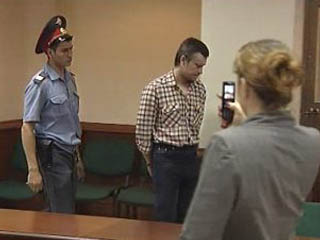
The capital proceedings opened before the Moscow City Court in September 2007:
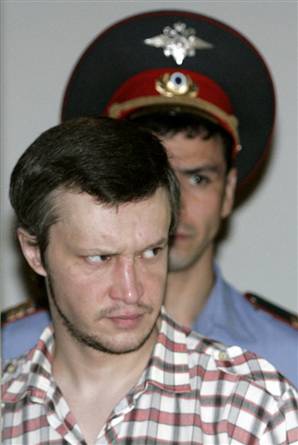
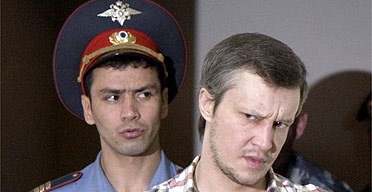
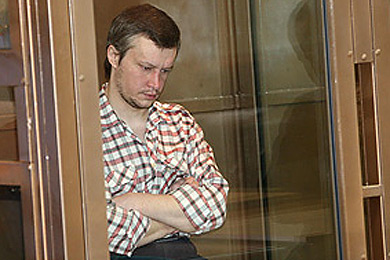
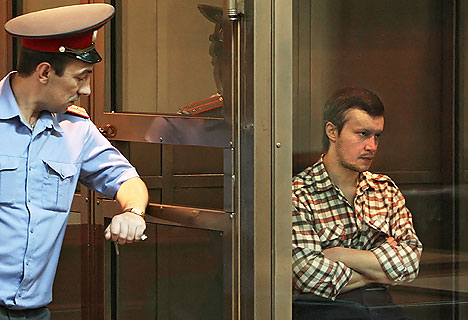
- For security, Pichushkin was enclosed within a bulletproof glass box.
- Forensic psychiatrists from the Serbsky Center declared him fully competent, noting marked psychopathic narcissism and sexual sadism without psychotic impairment.
- In open court, Pichushkin vehemently protested when prosecutors presented only 48 biologically proven murders: "I killed sixty-three people, not forty-eight! I gave them life, because before I killed them, no one knew they existed. By killing them, I made them part of history."
- On October 29, 2007, Judge Vladimir Usov sentenced him to life imprisonment under special strict regime, ordering compulsory psychiatric treatment during confinement.
Pichushkin was transported to Special Regime Correctional Colony No. 18, known as «Polar Owl» (Polyarnaya Sova), in the Arctic town of Harp, Siberia:
- He remains in solitary confinement in a 2×3-meter concrete cell.
- Inmates are escorted in the "dolphin position"—handcuffed behind the back, bent 90 degrees forward—flanked by armed guards and attack dogs, serving an unpardonable life sentence in the Russian Arctic.