


Forensic & Criminological Matrix
| Parameter | Forensic Detail |
|---|---|
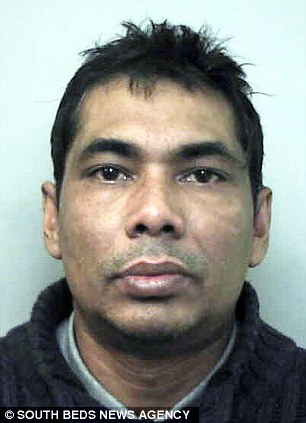
| Forensic Heading / Aliases | Shahidul Ahmed |
| Legal Identity | Shahidul Ahmed |
| Confirmed Victims | 1 (Rachel Manning) |
| Active Timeline | December 9, 2000 |
| Jurisdiction / Area of Operations | Milton Keynes / Bletchley, Buckinghamshire, United Kingdom |
| Criminological Classification | Sexual predator / opportunistic homicide offender |
| Forensic Modus Operandi | Nighttime ambush, manual/mechanical strangulation, severe facial hyper-bludgeoning using a vehicle steering lock, and body concealment |
| Weapon / Mechanism of Death | Strangulation and car steering lock |
| Motive / Behavioral Dynamics | Rejection rage, sexual predation, and concealment of identity |
| Judicial Outcome | Life imprisonment with a minimum term of 17 years (Luton Crown Court, 2013) |
1. Background and Psychopathy
Shahidul Ahmed, born in Bangladesh and living in Bletchley, Buckinghamshire, was a restaurant worker and father of five. For over a decade, Ahmed maintained a facade of normalcy while an innocent man, Barri White, served a wrongful prison sentence for a crime Ahmed committed. His violent propensity remained hidden until a subsequent sexual assault arrest in 2010 triggered a DNA match that exposed his true identity as a predator.
2. Crime Spree
On December 9, 2000, 19-year-old shop assistant Rachel Manning became separated from her boyfriend Barri White after leaving a nightclub in Milton Keynes. While attempting to find transport home, Manning encountered Ahmed. After she rejected his sexual advances, Ahmed strangled her and violently struck her face with a car steering lock to hinder identification. He then disposed of her body in the undergrowth of a Woburn golf course, disposing of his car eight days later.
3. Investigation and Forensic Hunt
The initial police investigation severely miscarried, erroneously targeting Barri White and his friend Keith Hyatt, who were wrongfully convicted of murder and conspiracy in 2002. Following an investigative journalism push by the BBC's Rough Justice program, new forensic and DNA testing proved their innocence, leading the Court of Appeal to quash their convictions in 2007. Justice was ultimately redirected in 2010 when Ahmed was arrested for sexually assaulting a female student after posing as a taxi driver; DNA profiling matched him directly to forensic traces left on the steering lock and Manning's clothing.
4. Legal Proceedings and Outcome
Following the 2010 DNA match, Ahmed was charged with murder. His first trial in early 2013 ended in a hung jury. During the retrial at Luton Crown Court later that year, both exonerated men, Barri White and Keith Hyatt, testified as prosecution witnesses. Ahmed was found guilty and sentenced to life imprisonment with a minimum term of 17 years by Mr Justice Wilkie, who condemned Ahmed for living undetected while two innocent men suffered agonizing wrongful imprisonments.
5. Psychiatric Assessment and Aftermath
Judicial and forensic evaluations underscored Ahmed's callousness and predatory rage following rejection. The case stands as a stark reminder of both the devastating impact of wrongful convictions and the power of modern national DNA databases in correcting historical judicial errors and bringing elusive perpetrators to justice.