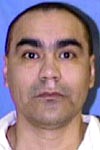


Forensic & Criminological Matrix
| Parameter | Forensic Detail |
|---|---|
| Forensic Heading / Aliases | Chuy |
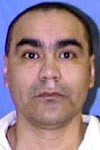
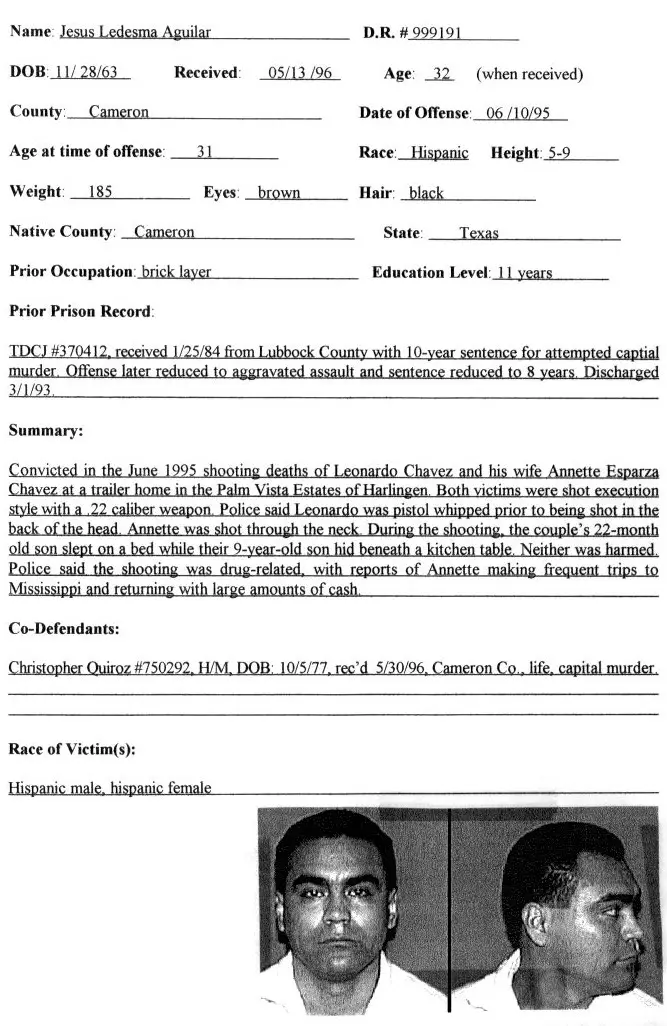
| Legal Identity | Jesús Ledesma Aguilar |
| Confirmed Victims | 2 |
| Active Timeline | June 10, 1995 |
| Jurisdiction / Area of Operations | Harlingen, Texas, USA |
| Criminological Classification | Gang-related hitman / Organized crime murderer |
| Forensic Modus Operandi | Close-range residential execution |
| Weapon / Mechanism of Death | .22 caliber revolver |
| Motive / Behavioral Dynamics | Drug trafficking retaliation (Texas Syndicate) |
| Judicial Outcome | Executed by lethal injection on May 24, 2006 |
1. Background and Profile
Jesus Ledesma Aguilar was a high-risk offender with a documented history of extreme violence. A confirmed member of the "Texas Syndicate" prison gang, his criminal record dated back to the early 1980s. In 1983, he shot a police officer in Lubbock, Texas, and later served time for assaulting a correctional officer. His behavioral profile was characterized by a total lack of empathy and a deep-seated adherence to criminal subcultures, making him a persistent threat within and outside the prison system.
2. Crime Spree
On June 10, 1995, Aguilar targeted the home of Rick Esparza, a former drug-trafficking associate. Esparza was away, but his sister Annette Chavez and her husband Leonardo were staying at the residence. Motivated by a dispute over marijuana distribution routes, Aguilar and his nephew, Christopher Quiroz, entered the home and executed the couple. The murders were carried out with a .22 caliber handgun. The victims' 9-year-old son witnessed the entire event, providing a chilling account of the execution-style killings.
3. Investigation and Arrest
The forensic investigation relied heavily on ballistic evidence and eyewitness testimony. Although Aguilar attempted to dispose of the murder weapon by selling it, police successfully tracked and recovered the .22 revolver. Ballistic matching linked the weapon to the crime scene. The breakthrough occurred when the young witness identified Aguilar from a newspaper photograph, leading to his arrest and the subsequent capture of his accomplice.
4. Legal Proceedings and Outcome
Aguilar was convicted of capital murder in Cameron County. The trial highlighted his extensive violent history as an aggravating factor. His case became a focal point of international law when Mexico filed a lawsuit against the U.S. in the International Court of Justice (the Avena case), arguing that Aguilar was denied his right to consular notification under the Vienna Convention. Despite diplomatic pressure, the execution proceeded. Aguilar remained unrepentant until the end, using his final statement to mock the victims' family before the lethal dose was administered.