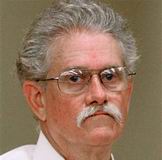




Forensic & Criminological Matrix
| Parameter | Forensic Detail |
|---|---|
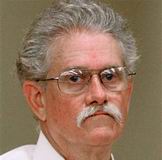
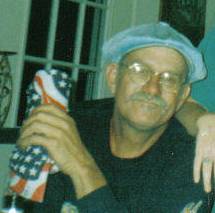
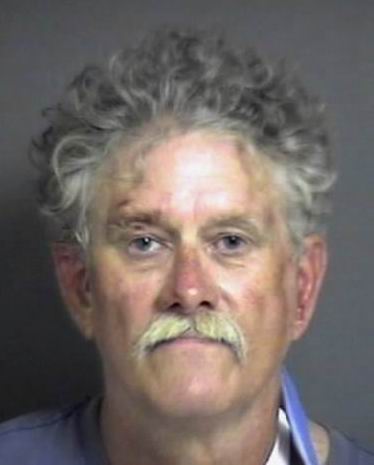
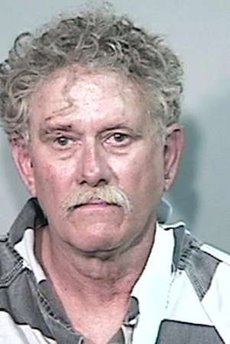
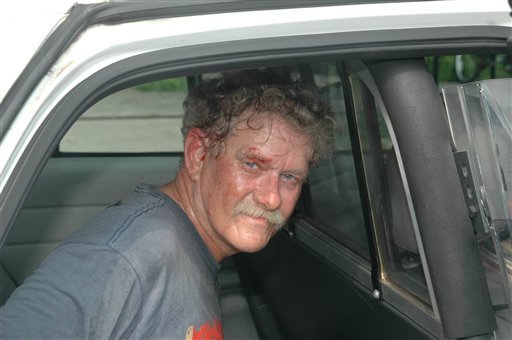
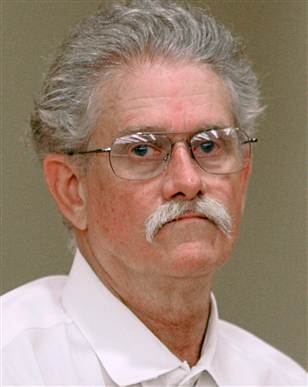
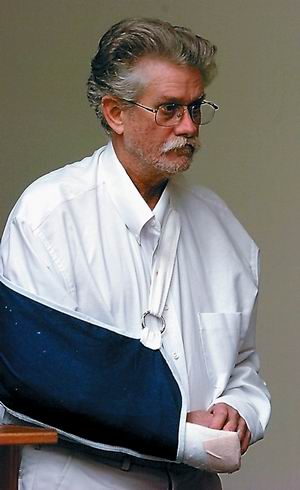
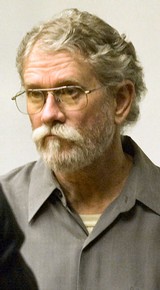
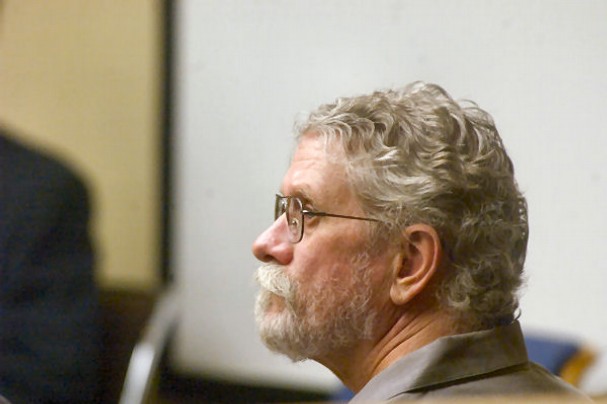
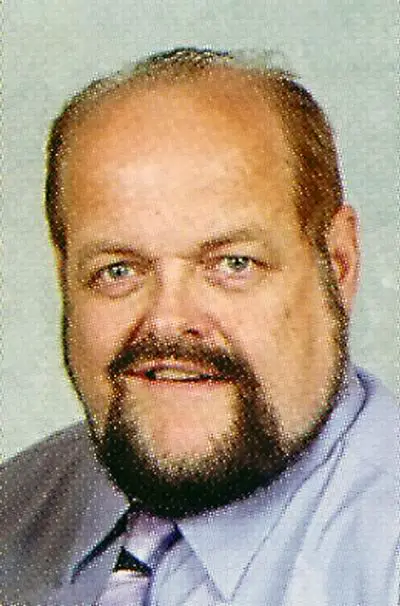
| Forensic Heading / Aliases | The Knoxville Church Shooter / Jim Adkisson |
| Legal Identity | Jim David Adkisson |
| Confirmed Victims | 2 dead, 6 injured |
| Active Timeline | July 27, 2008 |
| Jurisdiction / Area of Operations | Knoxville, Tennessee, United States |
| Criminological Classification | Mass Murderer (Politically Motivated Extremism) |
| Forensic Modus Operandi | Concealing a sawed-off long gun inside a musical instrument case to breach a public religious venue and target civilian crowds |
| Weapon / Mechanism of Death | Remington Model 48 12-gauge semi-automatic shotgun with a sawed-off barrel; 76 rounds of #4 shot ammunition |
| Motive / Behavioral Dynamics | Visceral ideological hatred toward Democrats, liberals, African Americans, and homosexuals; personal and economic frustration |
| Judicial Outcome | Life imprisonment without the possibility of parole (February 2009) |
1. Background and Profile
Jim David Adkisson was born on June 25, 1950. A United States Army veteran who served as a private from 1974 to 1977, Adkisson accumulated deep socio-political grievances over the decades. In the period leading up to the attack, he was unemployed, facing severe financial distress, and experiencing clinical depression. His animosity toward liberal and progressive political movements grew intense over the prior decade, fueled by extremist rhetoric and exacerbated by personal milestones, including his 2000 divorce from his fifth wife, who had ties to the targeted church.
2. Crime Spree
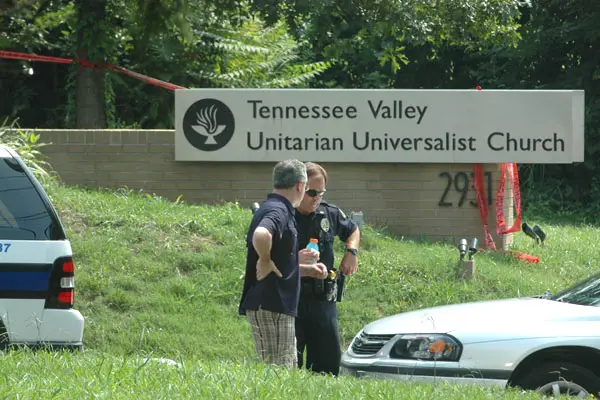
On July 27, 2008, Adkisson executed a targeted mass shooting at the Tennessee Valley Unitarian Universalist Church (TVUUC) in Knoxville, Tennessee. The facility was hosting approximately 200 people, including 25 children participating in a youth musical performance. Adkisson entered the sanctuary carrying a Remington Model 48 12-gauge shotgun with a prematurely sawed-off barrel hidden inside a guitar case. Without warning, he opened fire into the congregation. Greg McKendry, a long-time usher and church member, was killed instantly after courageously stepping in front of the gunman to shield others. A second victim, Linda Kraeger, succumbed to her injuries later that night. Six others sustained pellet wounds before brave church members tackled and subdued the assailant.
3. Investigation and Arrest
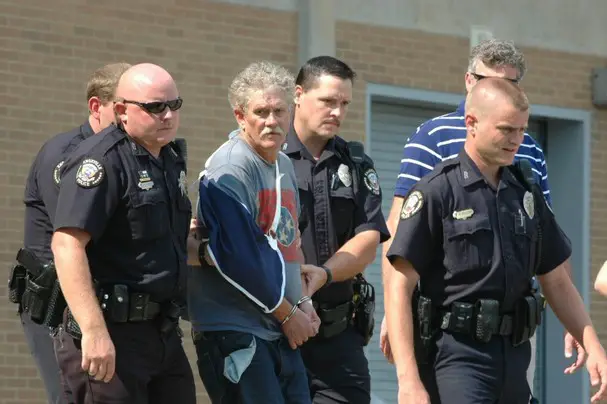
The Knoxville Police Department responded within minutes of the initial 911 calls. Officers apprehended Adkisson inside the church following his physical restraint by congregants John Bohstedt, Robert Birdwell, Arthur Bolds, Terry Uselton, and visitor Jamie Parkey. Inside Adkisson's vehicle parked outside, authorities recovered a four-page manifesto and suicide note detailing his political hatreds, frustration with the U.S. government, and calls for others to target liberals. He also carried a waist satchel containing 76 extra rounds of ammunition, confirming his plan to sustain gunfire until law enforcement intervened lethally.
4. Legal Proceedings and Outcome
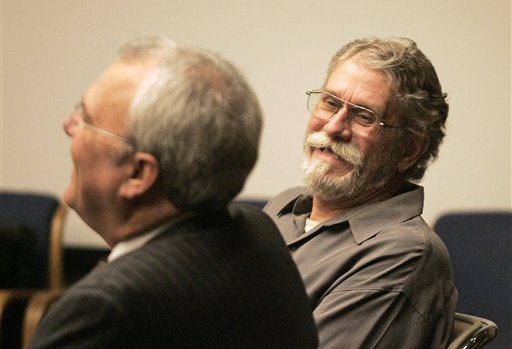
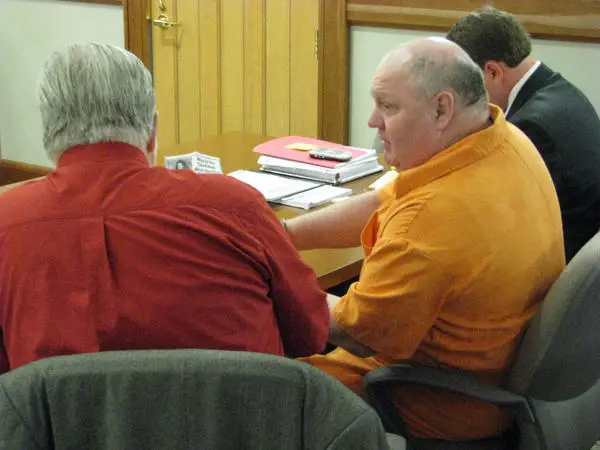
Following his arrest, Adkisson confessed during an extended police interrogation, expressing unrepentant hostility toward liberals and minorities. Public defender Mark Stephens initially explored an insanity defense. However, psychological evaluations established that Adkisson was fully competent to stand trial. On February 4, 2009, defense counsel announced a guilty plea to avoid capital punishment in exchange for life imprisonment. On February 9, 2009, before Criminal Court Judge Mary Beth Leibowitz, Adkisson formally pleaded guilty to two counts of murder and six counts of attempted murder, receiving a sentence of life without parole.
5. Psychiatric Evaluation and Aftermath
Forensic experts concluded that while Adkisson exhibited profound bitterness, emotional instability, and rigid ideological fanaticism, he did not suffer from a psychotic disorder that impaired his capacity to understand the criminality of his actions. He remains incarcerated within the Tennessee Department of Correction system without possibility of parole, serving as a landmark case of ideological domestic extremism.