




Forensic & Criminological Matrix
| Parameter | Forensic Detail |
|---|---|
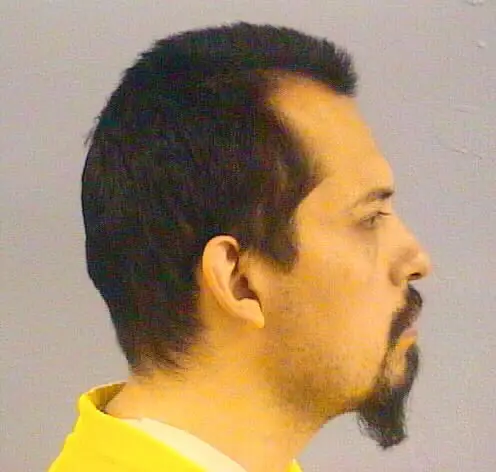
| Forensic Heading / Aliases | Bennie Adams / The Youngstown Predator |
| Legal Identity | Bennie Adams |
| Confirmed Victims | 1 (Gina Tenney) |
| Active Timeline | December 29, 1985 |
| Jurisdiction / Area of Operations | Youngstown, Ohio, United States |
| Criminological Classification | Sexual Predator and Homicidal Offender |
| Forensic Modus Operandi | Pre-offense stalking, residential burglary, sexual assault, ligature strangulation, property theft, and riverine body disposal |
| Weapon / Mechanism of Death | Manual and ligature asphyxiation |
| Motive / Behavioral Dynamics | Predatory sexual drive, dominance, and territorial aggression |
| Judicial Outcome | Sentenced to death in 2008 for aggravated murder following cold-case DNA profiling; subsequent appeals upheld |
1. Background and Psychopathy
Bennie Adams operated as a repeat sexual offender with a violent history directed against women. In 1985, the same year he perpetrated the murder for which he was ultimately convicted, Adams was arrested and subsequently convicted for the rape, kidnapping, and robbery of a school principal, serving an 18-year prison term prior to his release in 2004 as a registered sex offender. His criminological profile exhibits an impulsive, territorial predator who leveraged residential proximity to stalk and terrorize vulnerable women.
2. Crime Spree
On December 29, 1985, Gina Tenney, a 19-year-old Youngstown State University student living in the upstairs apartment of the same Ohio Avenue duplex as Adams, was brutally assaulted. Tenney had previously expressed fear of Adams due to his persistent staring and intrusive phone calls, which prompted her to change her phone number. Adams breached her apartment, bound, sexually assaulted, and strangled her. The following day, her frozen body was discovered floating in the Mahoning River by a muskrat trapper. Multiple incriminating items—including the victim's bank card, television, keys, and biological evidence matching her apartment—were recovered from Adams' possession and trash.
3. Investigation and Arrest
Immediately following the homicide, detectives questioned Adams after discovering the victim's belongings in his apartment. However, due to the technological limitations of forensic science in the mid-1980s, investigators could not conclusively link his genetic profile to the sexual assault. The case languished as a cold case for over two decades. Years later, as the Ohio Attorney General's office initiated cold-case DNA resubmission programs, preserved evidence from the original rape kit was re-examined, yielding a conclusive nuclear DNA match to Bennie Adams.
4. Legal Proceedings and Outcome
In October 2007, backed by modern forensic science and DNA profiling from the Ohio Bureau of Criminal Identification and Investigation, Adams was indicted for Tenney's murder while already under supervision as a released sex offender. The trial took place in the Mahoning County Common Pleas Court in 2008. The defense raised issues regarding undue prosecutorial delay and speedy trial violations, which were rejected by appellate courts due to justifiable technological limitations. Following eleven hours of deliberation, the jury recommended a death sentence, which Judge Timothy Franken officially handed down on October 23, 2008.
5. Psychiatric Evaluation and Final Disposition
At sentencing, Judge Timothy Franken noted Adams' complete lack of remorse and failure to rehabilitate, observing that he remained identical to the perpetrator of 1985. Despite extensive appeals filed by defense counsel challenging jury instructions, pretrial publicity, and the constitutionality of capital punishment, appellate courts affirmed the conviction and death sentence, underscoring the triumph of forensic DNA technology in resolving historical cold cases.