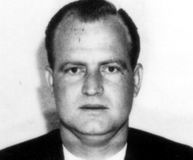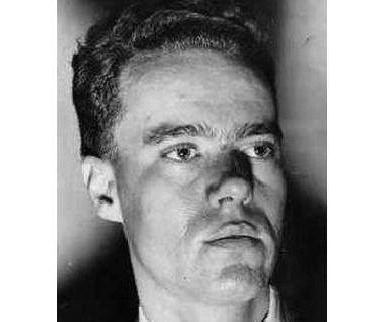
Forensic & Criminological Matrix
| Parameter | Forensic Detail |
|---|---|
| Forensic Heading / Aliases | Lorne Acquin / The Prospect Mass Murderer |
| Legal Identity | Lorne Joe Acquin |
| Confirmed Victims | 9 (Cheryl Beaudoin and 8 minors) |
| Active Timeline | July 22, 1977 |
| Jurisdiction / Area of Operations | Prospect, Connecticut (United States) |
| Criminological Classification | Mass Murderer |
| Forensic Modus Operandi | Residential invasion, blunt force trauma via tire iron, victim ligature, and subsequent arson to conceal evidence |
| Weapon / Mechanism of Death | Tire iron and gasoline (accelerant) |
| Motive / Behavioral Dynamics | Antisocial behavioral pathology / Unprovoked catastrophic family annihilation |
| Judicial Outcome | Convicted in 1979 of multiple counts of murder and arson, sentenced to 25 years to life plus 20 years. Died in prison in 2015 |
1. Background and Profile
Lorne Joe Acquin was born in 1950. As a foster brother to Cheryl Beaudoin's husband, Acquin maintained peripheral access to the domestic sphere in Prospect, Connecticut. Prior to the catastrophic events of July 1977, he had no notable violent criminal history indicating the capacity for mass homicide, though his social integration was fragile.
2. Crime Spree and Modus Operandi
In the early hours of Friday, July 22, 1977, residents on Cedar Hill Drive in Prospect awoke to thick smoke billowing from Cheryl Beaudoin's home. Firefighters extinguishing the blaze discovered a horrific crime scene inside. Cheryl Beaudoin, 29, was found dead on the kitchen floor. Seven of her children—Frederick (12), Sharon Lee (10), Debra Ann (9), Paul (8), Roderick (6), Holly Lyn (5), and Mary Lou (4)—along with a visiting family friend, Jennifer Santoro (6), were found dead throughout the bedrooms and bathroom.
Post-mortem examinations revealed that several victims had their hands bound behind their backs, and two children had their feet tied together. All victims sustained severe cranial trauma caused by heavy blunt force. After executing the murders, Acquin spread gasoline throughout the residence and ignited it to destroy forensic evidence.
3. Investigation and Forensic Pursuit
Law enforcement mounted an exhaustive investigation, interviewing over a hundred witnesses within 24 hours. Investigators focused on individuals close to the household, including Acquin, who had spent the preceding evening visiting and playing with the children. By Sunday night, facing intense questioning, Acquin confessed to attacking his sister-in-law and the children with a tire iron before setting the house on fire.
4. Legal Proceedings and Outcome
Acquin was charged with nine counts of murder and one count of arson. His trial commenced on July 16, 1979. Backed by his confession and forensic evidence linking him to the crime scene, he was convicted and sentenced to concurrent terms of 25 years to life for each murder count, plus an additional 20 years for arson—marking the deadliest mass murder in Connecticut's history.
5. Psychiatric Evaluation and Final Disposition
Incarcerated within the Connecticut Department of Correction, Acquin spent decades behind bars reflecting the grim notoriety of his crimes. He died in prison in 2015 at the age of 65.