



Forensic & Criminological Matrix
| Parameter | Forensic Detail |
|---|---|
| Forensic Heading / Aliases | The Voice of the Voiceless |
| Legal Identity | Wesley Cook |
| Confirmed Victims | 1 (Officer Daniel Faulkner) |
| Active Timeline | December 9, 1981 |
| Jurisdiction / Area of Operations | Philadelphia, Pennsylvania (United States) |
| Criminological Classification | Law enforcement homicide / Radical political activism |
| Forensic Modus Operandi | Armed street confrontation using a concealed handgun |
| Weapon / Mechanism of Death | .38 caliber revolver |
| Motive / Behavioral Dynamics | Ideological friction and violent confrontation with law enforcement |
| Judicial Outcome | Initial death sentence (1982); vacated by federal court in 2001; commuted to life without parole in 2011 |
1. Background and Profile
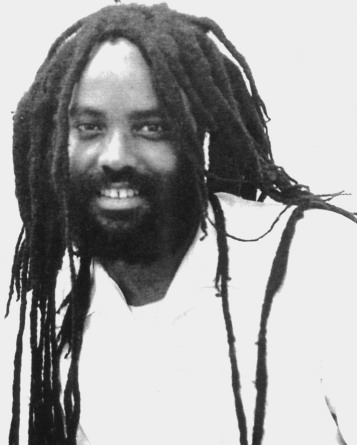
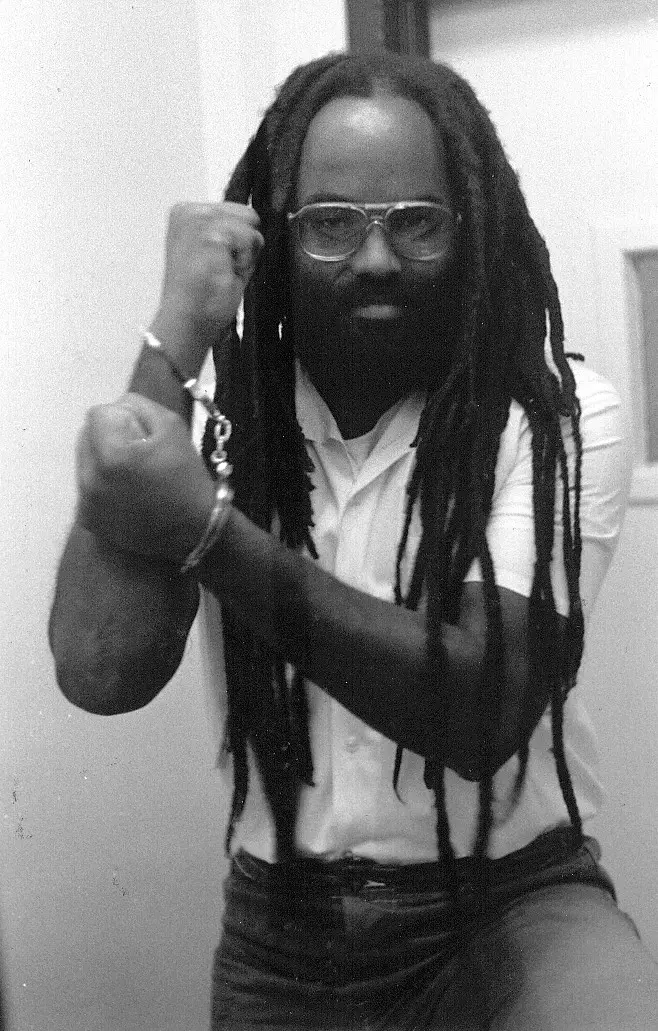
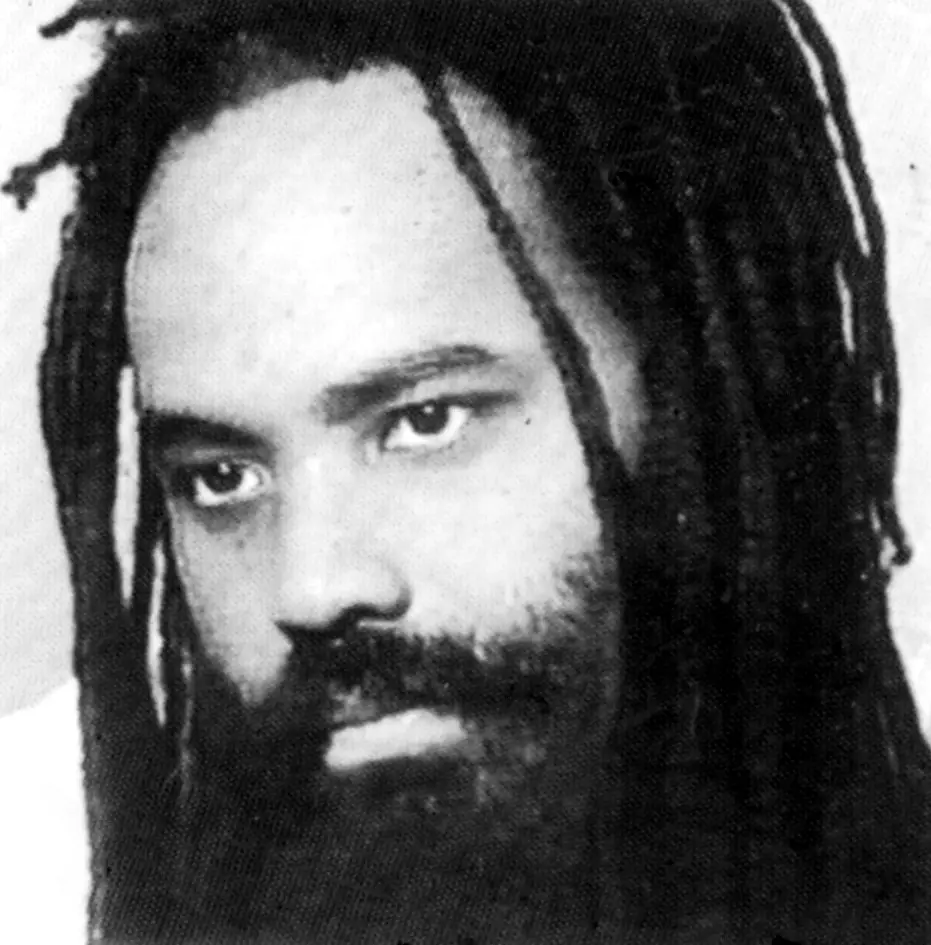
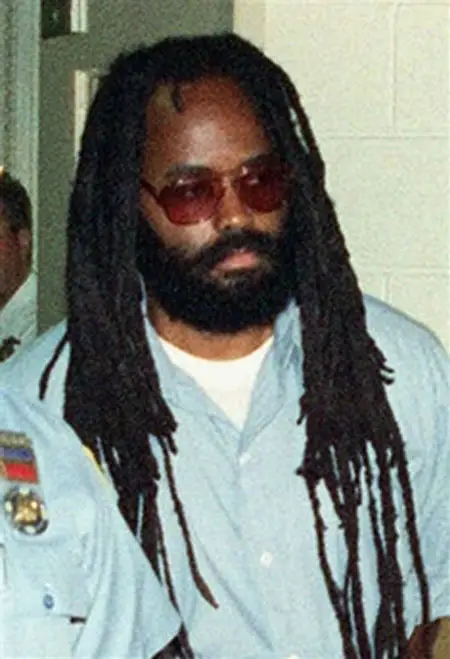
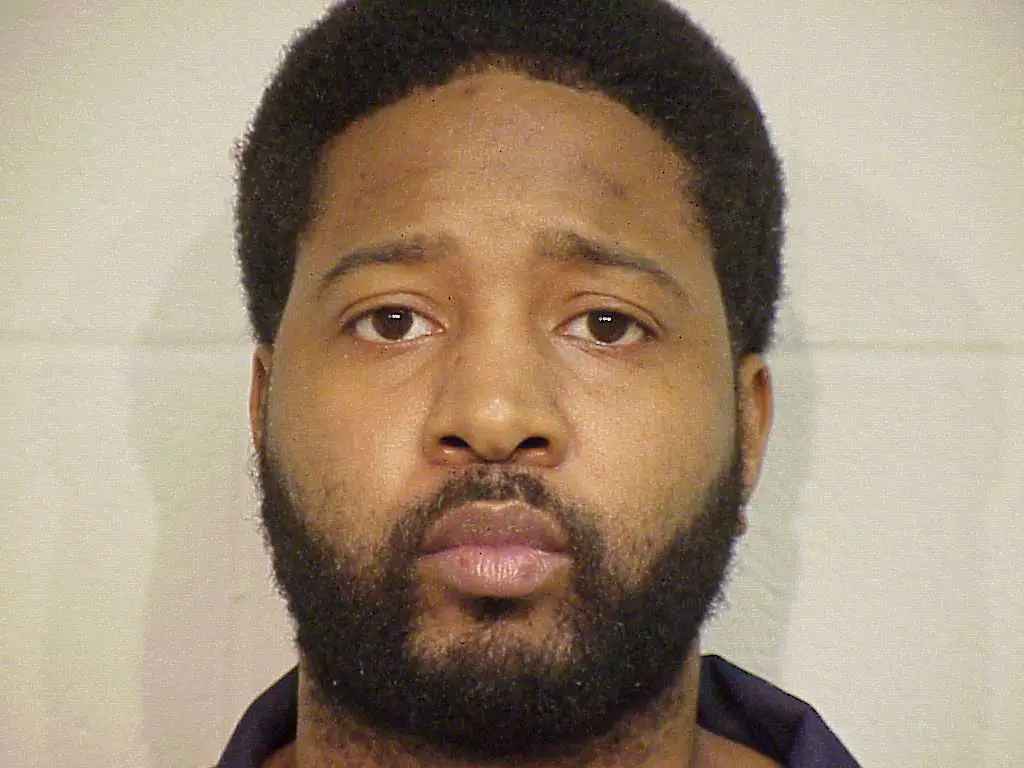
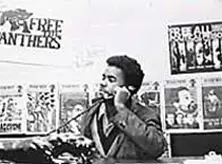
Born Wesley Cook in Philadelphia in 1954, Mumia Abu-Jamal became involved in radical political movements during his adolescence. In the late 1960s, he helped found the Philadelphia chapter of the Black Panther Party, serving as its 'Lieutenant of Information'. Following his departure from the party, he pursued a career in local radio and independent journalism, earning the moniker 'the voice of the voiceless' through his sympathetic coverage of anti-establishment movements and the MOVE commune.
2. Crime Spree
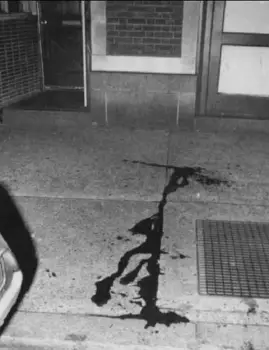
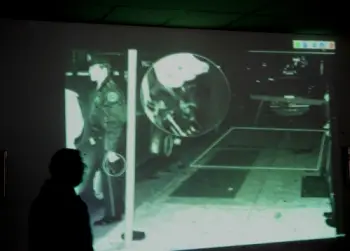
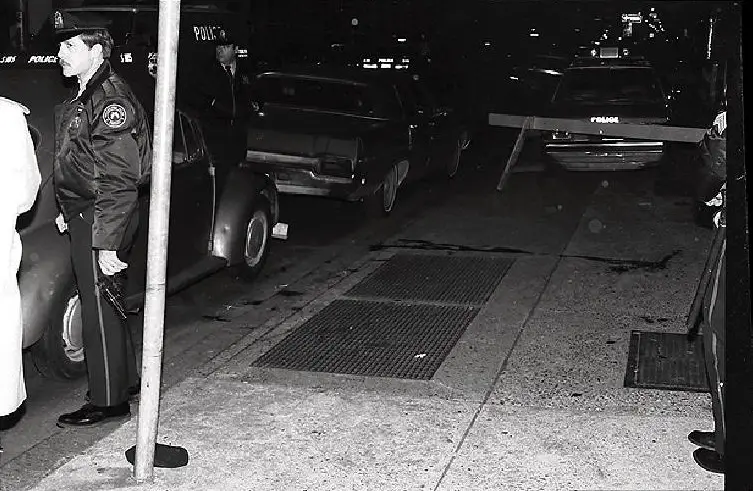
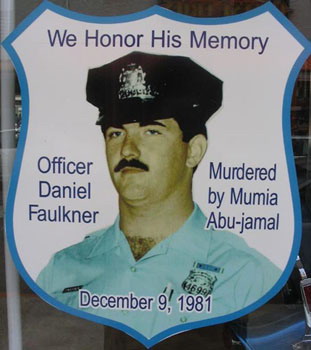
On December 9, 1981, Philadelphia Police Officer Daniel Faulkner conducted a routine traffic stop of a vehicle driven by William Cook, Abu-Jamal's younger brother. During the ensuing altercation, Abu-Jamal—working as a cab driver nearby—intervened. Officer Faulkner was fatally shot, and Abu-Jamal was wounded at the scene during an exchange of gunfire.
3. Investigation and Arrest
Police investigators secured eyewitness testimony identifying Abu-Jamal as the shooter, alongside recovering a .38 caliber revolver registered to him containing spent shell casings at the crime scene. Hospital personnel and officers testified regarding statements made by Abu-Jamal following his arrival for medical treatment, while defense teams and supporters contested the integrity of the evidence and witness testimonies in subsequent decades.
4. Legal Proceedings and Outcome
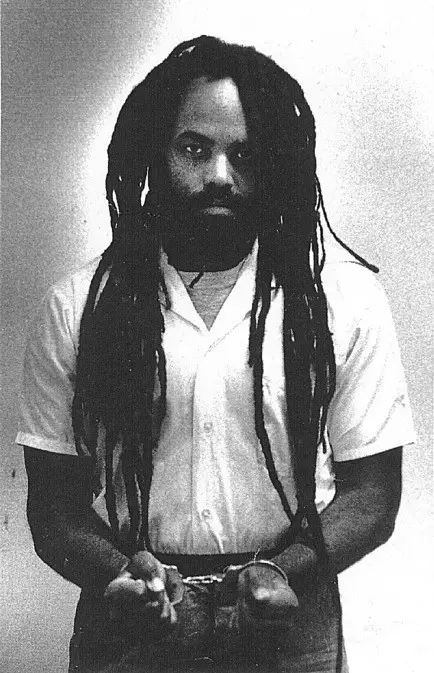
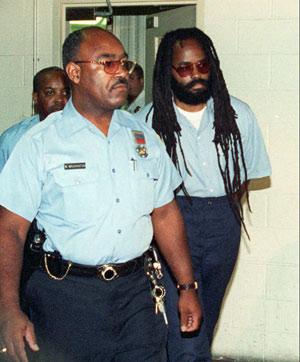
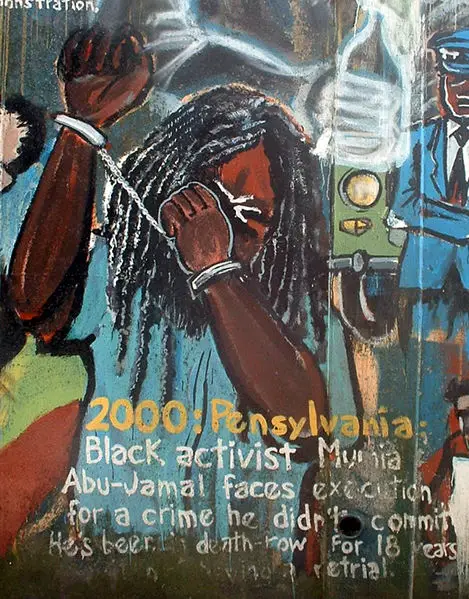
Abu-Jamal was arrested at the scene and stood trial in 1982, resulting in a first-degree murder conviction and a death sentence. The case generated worldwide notoriety and a decades-long appeals process. In 2001, a federal district judge upheld the conviction but voided the death sentence due to constitutional flaws in jury sentencing instructions. In 2011, prosecutors agreed to a sentence of life imprisonment without parole.
5. Psychological Evaluation and Aftermath
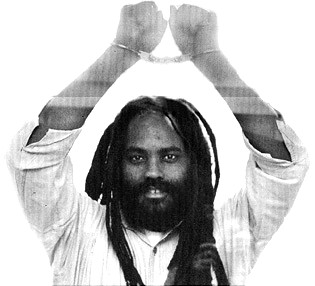
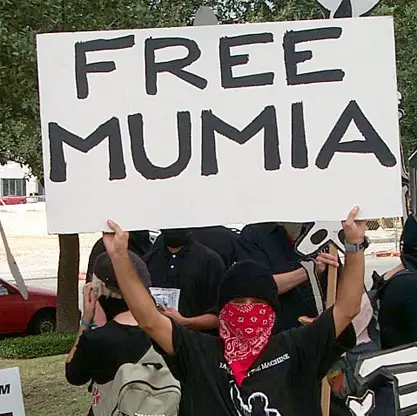
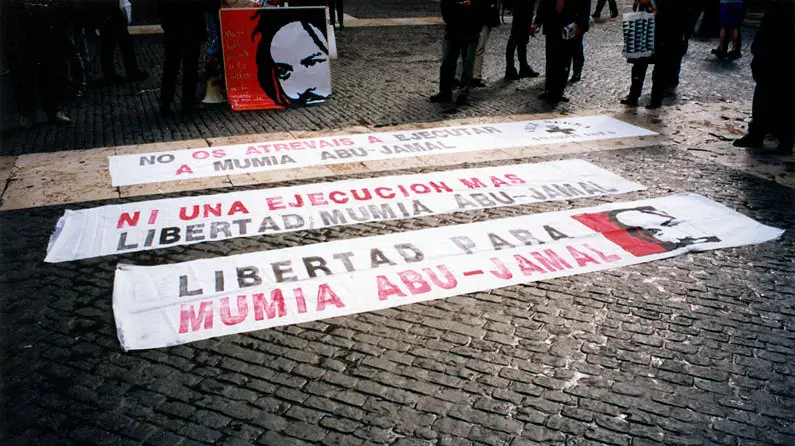
From a criminological standpoint, Abu-Jamal's case underscores the volatile intersection of radical anti-authority ideology and law enforcement. After years of intense legal battles and international activism, his death sentence was permanently set aside, and he remains incarcerated in a Pennsylvania state correctional facility while continuing his work as an author and commentator.