Forensic & Criminological Matrix
| Parameter | Forensic Detail |
|---|---|
| Forensic Heading / Aliases | Young Triumvirate |
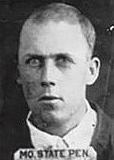
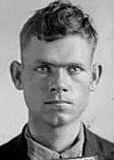
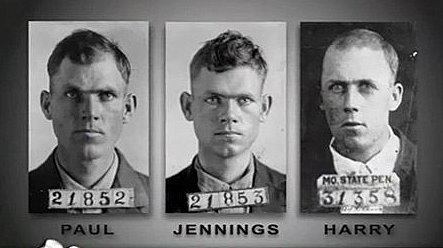
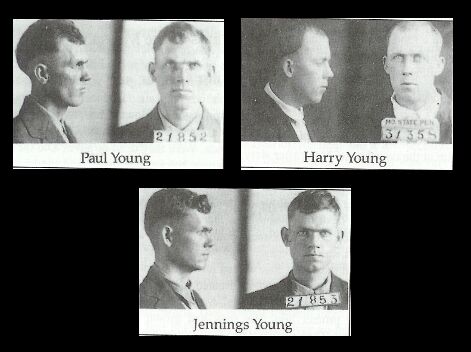
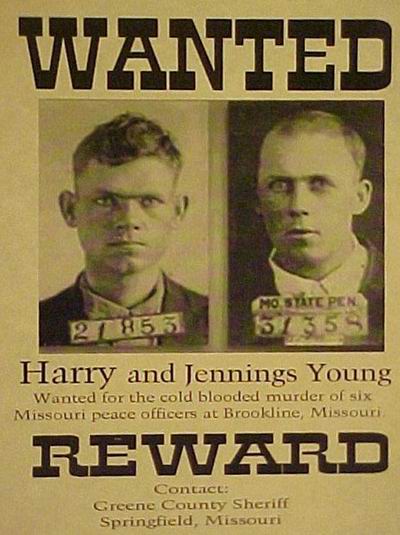
| Legal Identity | Harry Young and Jennings Young |
| Confirmed Victims | 6 |
| Attributed / Indicted Victims | 6 |
| Active Timeline | 1929-1932 |
| Jurisdiction / Area of Operations | Missouri and Texas, USA |
| Criminological Classification | Mass Murderers / Fugitives |
| Forensic Modus Operandi | Armed ambush and use of high-caliber firearms |
| Weapon / Mechanism of Death | Shotguns and repeating rifles |
| Motive / Behavioral Dynamics | Evasion of justice and extreme hostility toward law enforcement |
| Judicial Outcome | Mutual suicide pact following police standoff |
1. Background and Psychopathy
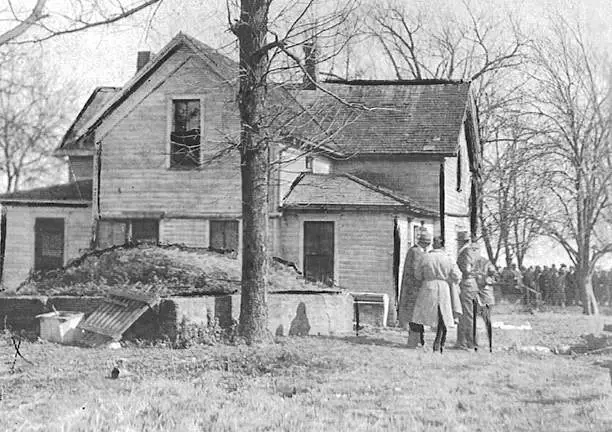
The Young brothers were notorious figures in the Ozarks region. Initially known for petty theft and auto theft, their criminal trajectory shifted toward lethal violence in 1929. Their upbringing on a farm in Missouri provided them with knowledge of the terrain, which they later exploited during their final confrontation.
2. Crime Spree
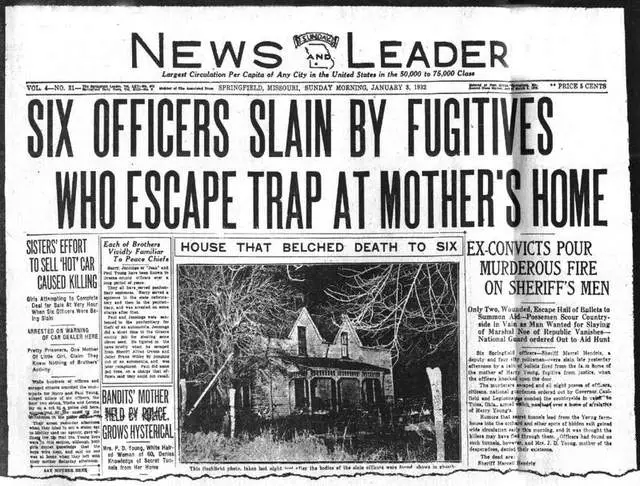
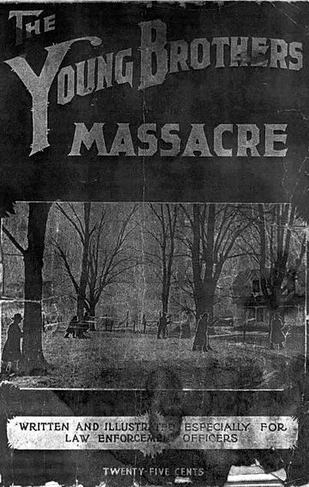
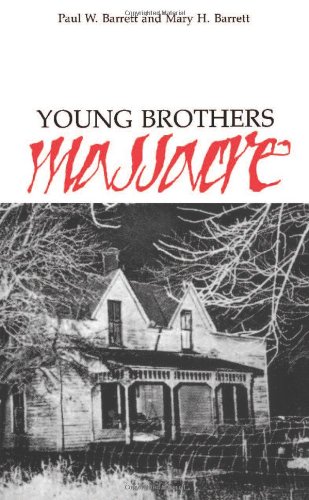
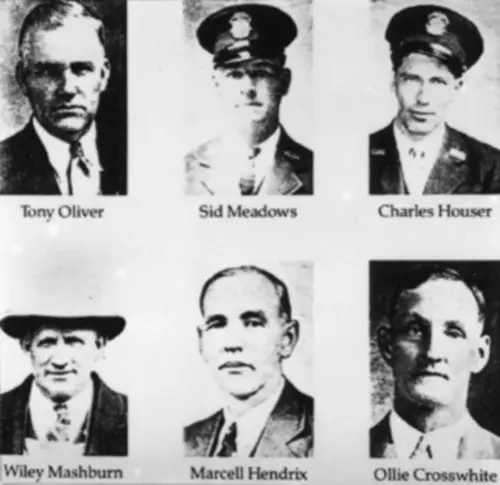
The 'Brookline Shootout' on January 2, 1932, stands as a dark milestone in American policing. Ten officers attempted to serve warrants at the Young farm. The brothers, utilizing the high ground of the farmhouse, systematically neutralized the lawmen, killing six of them before escaping the scene.
3. Investigation and Arrest
A massive manhunt tracked the brothers to Houston, Texas. The investigation was aided by a local farmer who found weapons and license plates in the brothers' wrecked vehicle.
4. Legal Proceedings and Outcome
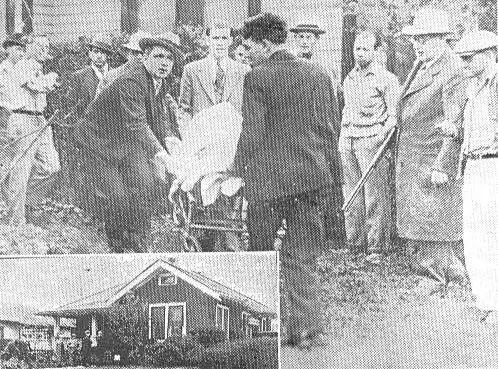
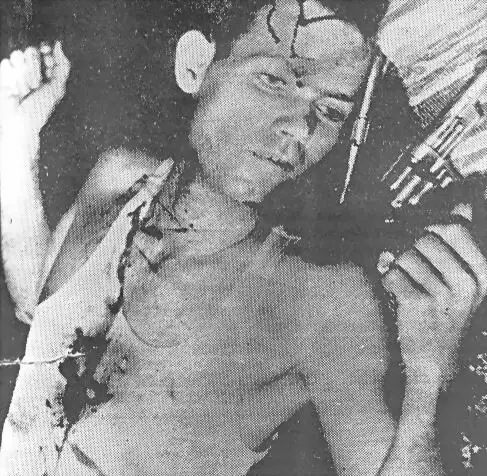
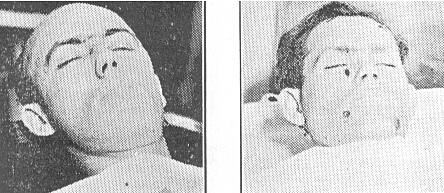
On January 5, 1932, Houston police surrounded the brothers. Rather than surrender, the brothers engaged in a final shootout and subsequently committed suicide, ending the manhunt and the lives of the perpetrators.