Forensic & Criminological Matrix
| Parameter | Forensic Detail |
|---|---|
| Forensic Heading / Aliases | None |
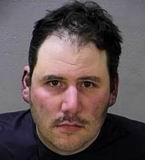
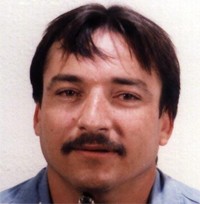
| Legal Identity | Norman Dean Yazzie |
| Confirmed Victims | 4 |
| Attributed / Indicted Victims | 4 |
| Active Timeline | September 1, 1996 |
| Jurisdiction / Area of Operations | Dinnehotso, Arizona, USA |
| Criminological Classification | Mass murderer / Familicide |
| Forensic Modus Operandi | Execution by firearm (.22-caliber rifle) |
| Weapon / Mechanism of Death | .22-caliber rifle |
| Motive / Behavioral Dynamics | Revenge for marital infidelity |
| Judicial Outcome | Life in prison without parole, plus 85 years |
1. Background and Profile
Norman Dean Yazzie (born 1964) was a resident of the Navajo Nation in Dinnehotso, Arizona. Forensic psychological evaluations during his trial highlighted severe emotional instability, largely fueled by marital discord. Yazzie harbored intense resentment toward his wife, Cecilia, over her alleged infidelity, which served as the primary catalyst for his violent outburst against his children.
2. Crime Spree
On September 1, 1996, Yazzie committed a calculated act of familicide. Inside the family's trailer home, he fired at least 35 rounds at his five children. He systematically executed his four daughters with multiple shots to the head using a .22-caliber rifle. His 11-year-old son, Rhyan, survived the massacre by playing dead after being struck in the shoulder and chest.
3. Investigation and Arrest
Federal authorities handled the investigation due to the crime occurring on Navajo land. Investigators recovered a rambling note written by Yazzie to his wife, detailing his outrage over her affair. The testimony of his surviving son, Rhyan, proved instrumental in the prosecution's case, providing a firsthand account of the perpetrator's actions.
4. Legal Proceedings and Outcome
In December 1996, Yazzie was convicted of four counts of first-degree murder and eight other felony charges. Because the Navajo Nation prohibits the death penalty, prosecutors sought life imprisonment. On March 11, 1997, Judge Earl Carroll sentenced Yazzie to life in prison without parole, plus an additional 85 years for related charges. The conviction was affirmed by the Ninth Circuit Court of Appeals in 1998.