

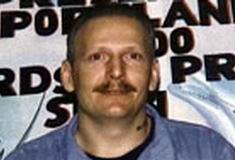
Forensic & Criminological Matrix
| Parameter | Forensic Detail |
|---|---|
| Forensic Heading / Aliases | None |
| Legal Identity | Wu Yandong |
| Confirmed Victims | 11 |
| Attributed / Indicted Victims | 11 |
| Active Timeline | 1999 - 2003 |
| Jurisdiction / Area of Operations | Shenzhen, Guangdong, China |
| Criminological Classification | Serial Killer |
| Forensic Modus Operandi | Homicides for profit and rage-driven violence |
| Weapon / Mechanism of Death | Not specified in public records |
| Motive / Behavioral Dynamics | Financial and emotional |
| Judicial Outcome | Sentenced to death |
1. Background and Profile
Born in 1965, Wu Yandong was a former employee of a company in Sichuan Province. His criminal profile is defined by a violent escalation that began in the late 1990s, fueled by a mix of emotional instability and financial greed. His criminal trajectory reflects a progressive desensitization to lethal violence.
2. Criminal Career and Modus Operandi
Between 1999 and 2003, Wu Yandong murdered 11 people. His modus operandi was varied, as he killed either for money or to vent his anger. His victims included two of his lovers, their daughter and sister, three truck owners, and a motorcycle rider. Additionally, he carried out two contract killings during this period, demonstrating a criminal versatility oriented toward both personal gratification and illicit financial gain.
3. Investigation and Arrest
The investigation intensified after the discovery of multiple bodies linked to Wu. He was initially sentenced to death in 2004 for the murder of his lover's husband in June 2003. However, the discovery of further forensic evidence linking him to 10 other homicides led to the overturning of the original ruling and the transfer of the case to the Shenzhen Municipal Intermediate People's Court for a comprehensive trial.
4. Legal Proceedings and Outcome
During the trial in March 2008, Wu Yandong confessed to all accusations. He stated in court: "I could not stop after the first time. I knew the trial would come sooner or later." His confession confirmed his responsibility for the 11 murders, solidifying the evidence required for his final sentencing.
5. Psychiatric Assessment and Conclusion
The subject showed no significant remorse, attributing his actions to financial necessity and an inability to control his violent impulses. He was sentenced to death for the multiplicity and severity of his crimes and remains on death row.