Forensic & Criminological Matrix
| Parameter | Forensic Detail |
|---|---|
| Forensic Heading / Aliases | N/A |
| Legal Identity | Howard Wilson |
| Confirmed Victims | 2 |
| Attributed / Indicted Victims | 3 (including the disappearance of Archibald McGeachie) |
| Active Timeline | 1969 |
| Jurisdiction / Area of Operations | Glasgow, Scotland |
| Criminological Classification | Cop killer / Bank robber |
| Forensic Modus Operandi | Use of firearms (.22 Vistok) and execution-style tactics |
| Weapon / Mechanism of Death | Russian Vistok .22 pistol |
| Motive / Behavioral Dynamics | Financial failure and professional resentment |
| Judicial Outcome | Life imprisonment (released in 2002) |
1. Background and Profile
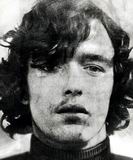
Howard Wilson (born 1938) was a former police officer who resigned from the force after failing to achieve expected promotions. His subsequent business ventures as a greengrocer in Glasgow failed, leading to severe financial distress. Wilson was described as articulate, tall, and dominant, possessing tactical knowledge that he later weaponized against his former colleagues.
2. Crime Spree
Wilson organized a criminal gang with Ian Donaldson and John Sim. In July 1969, they robbed the British Linen Bank in Williamwood. By December 1969, facing financial ruin again, they targeted the Clydesdale Bank in Linwood. It is widely believed that a fourth associate, Archibald McGeachie, was murdered by Wilson to prevent him from becoming a liability, with rumors suggesting his body was disposed of in the construction of the Kingston Bridge.
3. Investigation and Arrest
On December 30, 1969, Inspector Andrew Hyslop spotted Wilson unloading loot at an apartment in Allison Street. Upon confronting the group, Wilson shot Hyslop in the head. When other officers arrived, Wilson shot Constables MacKenzie and Barnett. MacKenzie was executed at close range while incapacitated on the floor.
4. Legal Proceedings and Outcome
Wilson was apprehended by DC Campbell. In 1970, he pleaded guilty to two counts of murder—a landmark case in Scottish law. He was sentenced to life imprisonment. After serving 33 years, he was released in 2002, a decision that sparked significant public and police outrage.