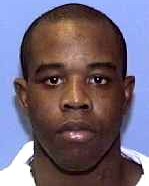





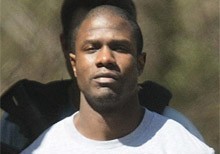
Forensic & Criminological Matrix
| Parameter | Forensic Detail |
|---|---|
| Forensic Heading / Aliases | None |
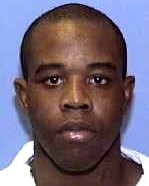
| Legal Identity | Perry Eugene Williams Jr. |
| Confirmed Victims | 1 |
| Attributed / Indicted Victims | 1 |
| Active Timeline | September 2000 |
| Jurisdiction / Area of Operations | Houston, Harris County, Texas |
| Criminological Classification | Murderer, crime spree offender |
| Forensic Modus Operandi | Express kidnapping and summary execution with firearm |
| Weapon / Mechanism of Death | Handgun / Close-range gunshot |
| Motive / Behavioral Dynamics | Robbery and criminal violence |
| Judicial Outcome | Sentenced to death in June 2002 |
1. Background and Psychopathy
Perry Eugene Williams Jr. was born on September 22, 1980, in Houston, Texas. Prior to his involvement in the September 2000 crime spree, there was no evidence of prior violent conduct. His background included various manual labor jobs. During his trial, it was revealed that Williams struggled with substance abuse, specifically PCP and marijuana, and maintained associations with the Crips gang.
2. Crime Spree
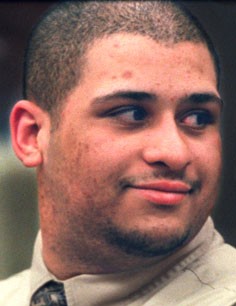
On September 7, 2000, Williams and his accomplices—Kinita Starr Butler, Corey Phillips, and James Dunn Jr.—began a series of violent robberies. On September 9, Williams shot Lolita Cherry during a robbery attempt. On September 17, the group targeted Matthew Carter at a Blockbuster parking lot. Williams abducted Carter at gunpoint, forced him into his own vehicle, and executed him with a single gunshot to the head despite the victim's pleas for mercy.
3. Investigation and Arrest
Law enforcement in Harris County conducted a thorough investigation. Evidence included accomplice testimony and Williams's own confession. While Williams attempted to shift blame onto Corey Phillips, forensic evidence and his actions during the robberies established his role as a dominant participant.
4. Legal Proceedings and Outcome
Williams was convicted of capital murder in June 2002 and sentenced to death. His time in jail was marked by disciplinary issues, including fighting and unauthorized tattooing, which the prosecution used to demonstrate his future dangerousness.
5. Psychiatric Assessment and Conclusion
Despite Williams's claims of remorse and spiritual change, the court and jury found the evidence of his future dangerousness and the brutality of the murder of Matthew Carter sufficient to uphold the death sentence.