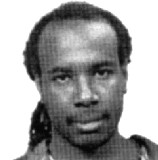
Forensic & Criminological Matrix
| Parameter | Forensic Detail |
|---|---|
| Forensic Heading / Aliases | None |
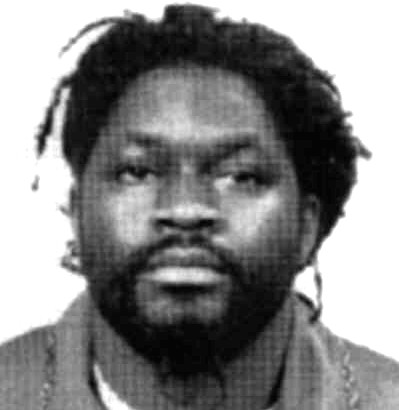
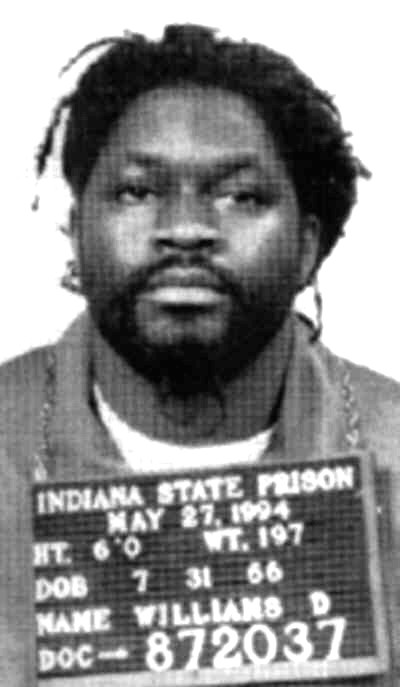
| Legal Identity | Darnell Williams |
| Confirmed Victims | 2 |
| Attributed / Indicted Victims | 2 |
| Active Timeline | August 12, 1986 |
| Jurisdiction / Area of Operations | Gary, Lake County, Indiana |
| Criminological Classification | Felony-Murderer |
| Forensic Modus Operandi | Home invasion, coercion, and execution by firearm |
| Weapon / Mechanism of Death | .32 and .22 caliber handguns |
| Motive / Behavioral Dynamics | Financial gain / Robbery |
| Judicial Outcome | Death sentence (1987), commuted to life without parole (2004) |
1. Background and Psychopathy
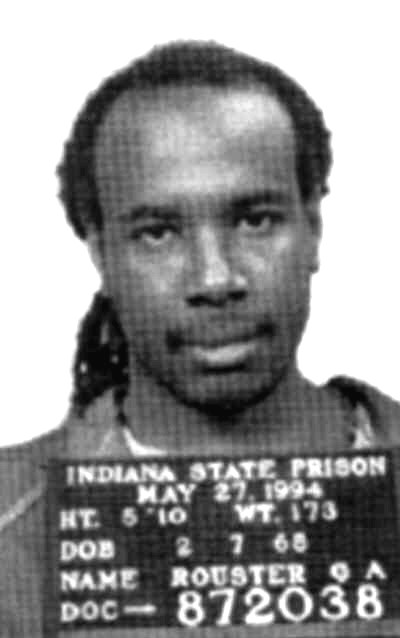
Darnell Williams (born July 31, 1966) had no prior criminal record before the 1986 incident. He was a high school graduate with a history of steady employment. His involvement in the Rease murders was primarily driven by his association with Gregory Rouster, a former foster child of the victims.
2. Crime Spree
On August 12, 1986, Williams and Gregory Rouster entered the home of John and Henrietta Rease in Gary, Indiana. The Reases were elderly foster parents. Rouster, believing the couple owed him money, initiated a confrontation. Williams actively participated in the robbery and the subsequent execution of the couple using .32 and .22 caliber handguns.
3. Investigation and Arrest
Williams was arrested on the night of the murders. Police recovered incriminating evidence, including cash, a watch belonging to the victims, and .30 caliber ammunition. Eyewitness testimony from Derrick Bryant, who was hiding in the house, provided a detailed account of Williams' direct participation in the killings.
4. Legal Proceedings and Outcome
Williams was tried jointly with Rouster. He was convicted of two counts of felony murder and sentenced to death in 1987. Following extensive appeals regarding ineffective assistance of counsel, his case reached the Seventh Circuit Court of Appeals. In 2004, Governor Joe Kernan commuted his sentence to life imprisonment without parole, citing the injustice of executing Williams when his co-defendant, Rouster, had been spared due to mental retardation.