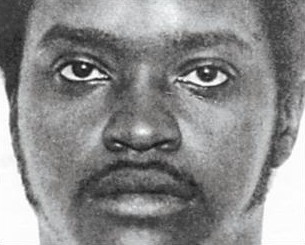
Forensic & Criminological Matrix
| Parameter | Forensic Detail |
|---|---|
| Forensic Heading / Aliases | null |
| Legal Identity | Daniel Wilkinson |
| Confirmed Victims | 1 |
| Attributed / Indicted Victims | 1 |
| Active Timeline | 1883 |
| Jurisdiction / Area of Operations | Bath, Maine, USA |
| Criminological Classification | Cop killer / Burglar |
| Forensic Modus Operandi | Commercial burglary and use of firearms to evade arrest |
| Weapon / Mechanism of Death | .32 caliber revolver |
| Motive / Behavioral Dynamics | Evasion of justice following a burglary attempt |
| Judicial Outcome | Death sentence by hanging |
1. Background and Profile
Daniel Wilkinson (c. 1845 - 1885) was a career criminal and an escapee from the Maine State Prison. His behavioral history indicates a high propensity for violence when confronted by law enforcement.
2. Crime Spree
On September 4, 1883, Wilkinson and accomplice John Ewitt attempted to burglarize the D.C. Gould Ship Chandlery in Bath. While fleeing, they encountered Constable William Lawrence. Wilkinson shot Lawrence in the head with a .32 caliber revolver, killing him instantly.
3. Investigation and Arrest
Detective James Wood was hired to lead the investigation. By analyzing physical evidence (unusual matchsticks) found at the scene and linking it to a previous burglary in Brunswick, Wood tracked Wilkinson to Bangor, Maine, where he was apprehended within a week.
4. Legal Proceedings and Outcome
Wilkinson was tried in the Bath Superior Court. On January 7, 1884, he was convicted of first-degree murder and sentenced to death. His accomplice, John Ewitt, fled to England and was never extradited.
5. Forensic Outcome
Wilkinson was executed by hanging on November 21, 1885, at the Maine State Prison. The botched nature of the execution, which resulted in a slow death by strangulation, became a catalyst for the abolition of the death penalty in Maine in 1887.