Forensic & Criminological Matrix
| Parameter | Forensic Detail |
|---|---|
| Forensic Heading / Aliases | None |
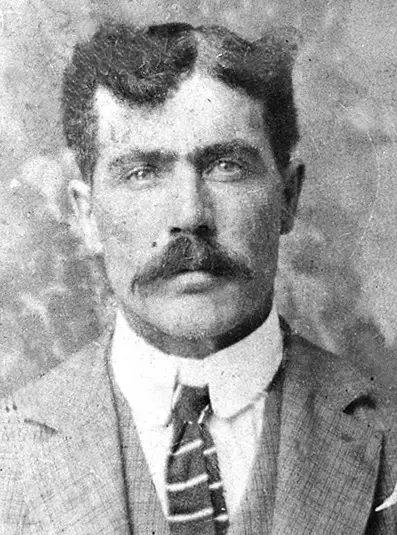
| Legal Identity | Wallace Wilkerson |
| Confirmed Victims | 1 |
| Attributed / Indicted Victims | 1 |
| Active Timeline | 1877 |
| Jurisdiction / Area of Operations | Homansville, Utah Territory, USA |
| Criminological Classification | Homicide (Interpersonal dispute) |
| Forensic Modus Operandi | Shooting following verbal altercation |
| Weapon / Mechanism of Death | Firearm |
| Motive / Behavioral Dynamics | Interpersonal conflict and cheating accusations |
| Judicial Outcome | Death sentence by firing squad (botched execution) |
1. Background and Psychopathy
Born in Quincy, Illinois, in 1845, Wallace Wilkerson moved to the Utah Territory at age eight. He worked as a stockman and horse breaker. His life was marked by military service and frequenting local saloons, where he developed a volatile reputation, particularly with the bartender William Baxter, who had previously intervened in conflicts involving Wilkerson.
2. Crime Spree
On June 11, 1877, while playing cribbage at James Hightower's saloon, an argument erupted between Wilkerson and Baxter over cheating allegations. Wilkerson shot Baxter in the forehead and temple, killing him instantly. Wilkerson fled the scene but was apprehended shortly thereafter.
3. Investigation and Arrest
Authorities quickly secured Wilkerson in Goshen to prevent extrajudicial violence. The coroner's report confirmed that the victim, William Baxter, was unarmed at the time of the shooting, which solidified the premeditated murder charge.
4. Legal Proceedings and Outcome
Wilkerson was convicted of first-degree murder in November 1877. He chose to be executed by firing squad. His legal team appealed to the U.S. Supreme Court, arguing that the method was 'cruel and unusual punishment.' The Supreme Court upheld the sentence in Wilkerson v. Utah (1879), establishing a precedent for future Eighth Amendment cases.
5. Execution and Aftermath
The execution on May 16, 1879, in Provo, was botched. The firing squad missed his heart, causing Wilkerson to suffer for 27 minutes before dying of blood loss. His death remains a significant case study in the history of American capital punishment.