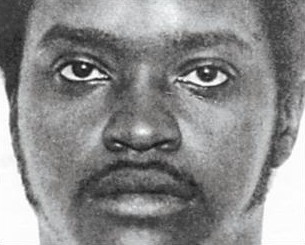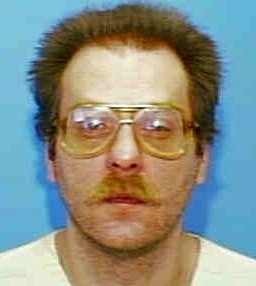



Forensic & Criminological Matrix
| Parameter | Forensic Detail |
|---|---|
| Forensic Heading / Aliases | None |
| Legal Identity | Jonas Hoten Whitmore |
| Confirmed Victims | 1 |
| Attributed / Indicted Victims | 1 |
| Active Timeline | August 14, 1986 |
| Jurisdiction / Area of Operations | Mount Ida, Arkansas, USA |
| Criminological Classification | Murderer (Capital Murder) |
| Forensic Modus Operandi | Stabbing, throat slitting, and facial mutilation |
| Weapon / Mechanism of Death | Large knife |
| Motive / Behavioral Dynamics | Robbery and alleged psychotic flashback |
| Judicial Outcome | Death penalty by lethal injection |
1. Background and Psychopathy
Jonas Hoten Whitmore was born in 1944. His criminal history included a conviction for attempted robbery at age 18, involving a violent assault on a cab driver. Throughout his life, he exhibited signs of antisocial personality disorder, characterized by violent outbursts and self-mutilation during previous incarcerations in California.
2. Crime Spree
On August 14, 1986, in Mount Ida, Arkansas, Whitmore gained access to the home of 62-year-old Essie Mae Black under the guise of looking for rental property. After being offered hospitality, he stabbed the victim nine times, slit her throat, and carved an 'X' into her right cheek. He stole $276 from her purse and a kitchen drawer before fleeing the scene.
3. Investigation and Forensic Hunt
Police recovered blood-stained clothing and a knife in a wooded area. Forensic analysis of clothing labels, which Whitmore had attempted to remove, traced the suit to Montgomery, Alabama. Witness testimony and evidence regarding his flight to Montana, assisted by his wife, solidified the case against him.
4. Legal Proceedings and Outcome
Whitmore was convicted of capital murder. His defense strategy relied on claims of childhood sexual abuse triggering a dissociative state. The jury rejected these claims, finding aggravating circumstances, including the commission of the murder to avoid arrest. All appeals, including claims of ineffective assistance of counsel, were denied.
5. Psychiatric Evaluation and Final Disposition
Courts found Whitmore competent to be executed, rejecting claims of mental incompetence. He was executed by lethal injection in Arkansas on May 11, 1994, and was pronounced dead at 8:08 P.M.