




Forensic & Criminological Matrix
| Parameter | Forensic Detail |
|---|---|
| Forensic Heading / Aliases | N/A |
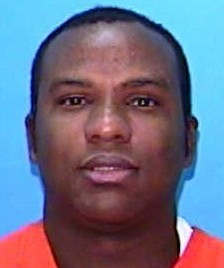
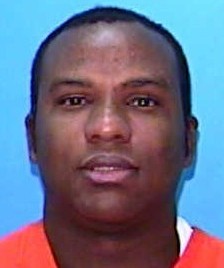
| Legal Identity | Ernest Whitfield |
| Confirmed Victims | 1 |
| Attributed / Indicted Victims | 1 |
| Active Timeline | June 19, 1995 |
| Jurisdiction / Area of Operations | Sarasota, Florida, USA |
| Criminological Classification | Murderer, sexual predator, armed burglar |
| Forensic Modus Operandi | Home invasion, sexual assault under threat of knife, multiple stabbing homicide |
| Weapon / Mechanism of Death | Large knife |
| Motive / Behavioral Dynamics | Robbery, sexual assault, impulsive violence |
| Judicial Outcome | Sentenced to death (1995), affirmed on post-conviction appeals |
1. Background and Profile
Ernest Whitfield (DOB: 04/09/1967) had a history of volatile behavior and substance abuse. In June 1995, he targeted Claretha Reynolds, Willie Mae Brooks, and Estella Pierre for money. After being forcibly removed from Reynolds' home by the victim, he explicitly threatened to kill all three women.
2. Crime Spree
In the early hours of June 19, 1995, Whitfield broke into Reynolds' residence armed with a large knife. He entered the bedroom where Willie Mae Brooks and her infant were sleeping, sexually assaulting Brooks while threatening to stab her. He then proceeded to the bedroom where Reynolds and her five children were sleeping, stabbing Reynolds multiple times. Reynolds managed to stagger to Brooks' room before succumbing to her injuries, allowing Brooks and one of Reynolds' daughters to escape through a window.
3. Investigation and Arrest
Police arrived shortly after the incident. Whitfield was apprehended, confessed to the stabbing, and led authorities to the murder weapon. He admitted to being under the influence of crack cocaine at the time of the offense.
4. Legal Proceedings and Outcome
Indicted on July 7, 1995, for first-degree murder, armed burglary, and sexual battery with a deadly weapon, Whitfield was found guilty on all counts on September 28, 1995. The jury recommended the death penalty, which was formally imposed by Judge Harry Rapkin on October 20, 1995. Subsequent appeals, including claims of ineffective assistance of counsel and inadequate mental health evaluation, were denied by the Florida Supreme Court, with the final denial of post-conviction relief occurring on November 3, 2005.