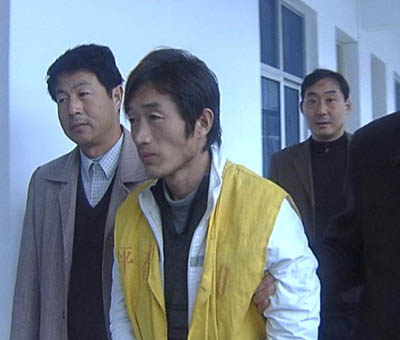
Forensic & Criminological Matrix
| Parameter | Forensic Detail |
|---|---|
| Forensic Heading / Aliases | The Guangzhou Ripper |
| Legal Identity | Li Wenxian |
| Confirmed Victims | 13 |
| Attributed / Indicted Victims | 13 |
| Active Timeline | 1991 - 1996 |
| Jurisdiction / Area of Operations | Guangzhou, Guangdong, China |
| Criminological Classification | Serial killer |
| Forensic Modus Operandi | Strangulation, stabbing, blunt force trauma, mutilation, dismemberment |
| Weapon / Mechanism of Death | Knife, hammer, manual strangulation |
| Motive / Behavioral Dynamics | Misogynistic revenge against sex workers |
| Judicial Outcome | Death sentence and execution (December 18, 1996) |
1. Background and Profile
Li Wenxian was a former farmer from Guangdong province who relocated to Guangzhou in 1991 to work in the construction sector. His criminal profile was defined by intense misogyny, which he claimed was triggered by a negative experience with a sex worker shortly after his arrival in the city.
2. Crime Spree
Between 1991 and 1996, Li targeted women, specifically sex workers. His modus operandi involved sexual assault followed by strangulation, stabbing, or bludgeoning with a hammer. He systematically dismembered the victims' bodies, placing them in rice bags and disposing of them in suburban rubbish heaps.
3. Investigation and Arrest
For years, the Chinese authorities suppressed information regarding the murders to maintain the image of a crime-free society. The investigation gained international attention in 1992 when a victim's remains were discovered in Hong Kong. The case was finally broken in November 1996 when a survivor identified Li, leading to his immediate arrest and confession.
4. Legal Proceedings and Outcome
Li was tried at the Canton Intermediate People's Court. He was found guilty of murder, rape, and robbery. On December 18, 1996, he was sentenced to death and subsequently executed, marking the end of one of the most brutal serial murder cases in modern Chinese history.