Forensic & Criminological Matrix
| Parameter | Forensic Detail |
|---|---|
| Forensic Heading / Aliases | N/A |
| Legal Identity | Berthold Wehmeyer |
| Confirmed Victims | 1 |
| Attributed / Indicted Victims | 1 |
| Active Timeline | 1947 |
| Jurisdiction / Area of Operations | West Berlin, Germany |
| Criminological Classification | Murderer |
| Forensic Modus Operandi | Strangulation and armed robbery |
| Weapon / Mechanism of Death | Firearm and manual strangulation |
| Motive / Behavioral Dynamics | Financial gain |
| Judicial Outcome | Executed by guillotine |
1. Background and Profile
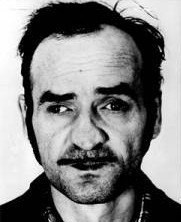
Born in 1925, Berthold Wehmeyer emerged as a violent offender during the chaotic post-war period in Germany. His criminal profile reflects the instability of the era, where economic desperation often intersected with violent criminal behavior.
2. Crime Spree
On April 22, 1947, Wehmeyer committed a robbery at a food shop, during which he shot a cashier. He was also responsible for the strangulation of 61-year-old Eva Kusserow. His crimes were characterized by the use of lethal force to secure small amounts of cash, specifically targeting vulnerable individuals in commercial settings.
3. Investigation and Arrest
Authorities in West Berlin conducted the investigation, utilizing forensic evidence and witness statements to link Wehmeyer to the crimes. Despite the post-war logistical challenges, the evidence against him was sufficient for a swift arrest and subsequent prosecution.
4. Legal Proceedings and Outcome
Wehmeyer was tried and convicted of murder and robbery. He was sentenced to death, a sentence that was carried out on May 12, 1949, at Moabit Prison. He was executed by guillotine, becoming the last person to be executed in West Berlin. This event occurred shortly before the abolition of the death penalty in the Federal Republic of Germany, though the penalty remained legally on the books in West Berlin until 1951.