Forensic & Criminological Matrix
| Parameter | Forensic Detail |
|---|---|
| Forensic Heading / Aliases | N/A |
| Legal Identity | John White Webster |
| Confirmed Victims | 1 |
| Attributed / Indicted Victims | 1 |
| Active Timeline | November 23, 1849 |
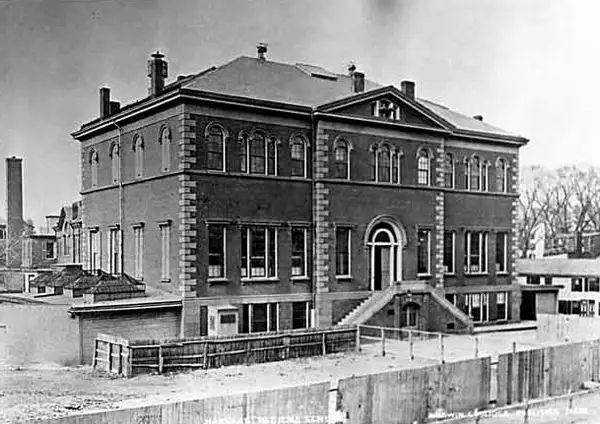
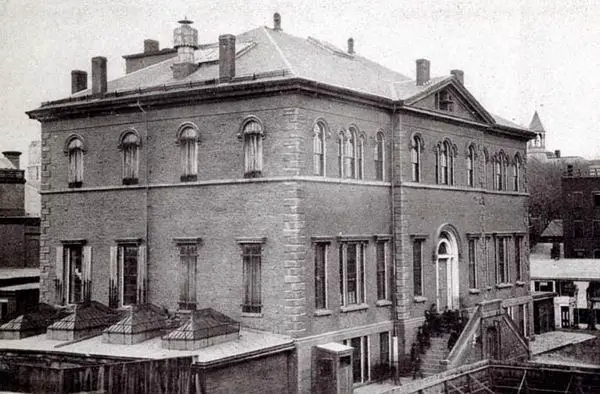
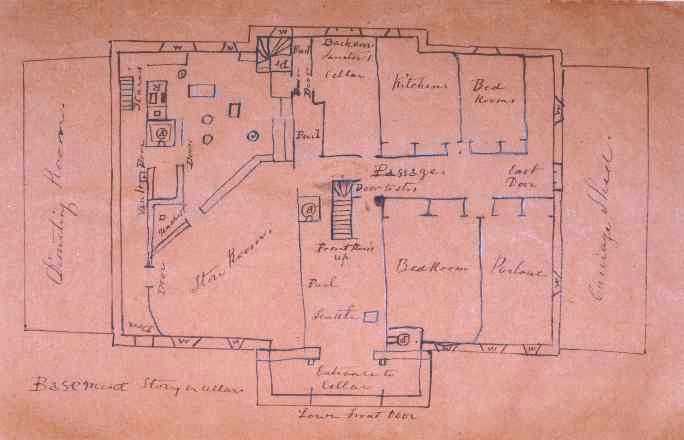
| Jurisdiction / Area of Operations | Harvard Medical College, Boston, Massachusetts |
| Criminological Classification | Financial-motive homicide |
| Forensic Modus Operandi | Blunt force trauma, dismemberment, concealment in privy vault |
| Weapon / Mechanism of Death | Wooden stick |
| Motive / Behavioral Dynamics | Financial debt and creditor pressure |
| Judicial Outcome | Death sentence by hanging |
1. Background and Psychopathy
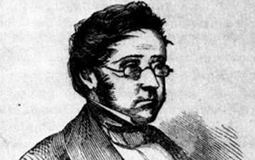
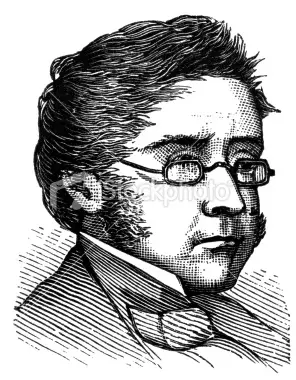
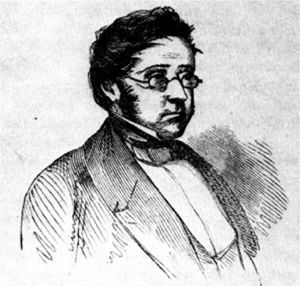
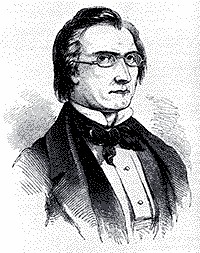
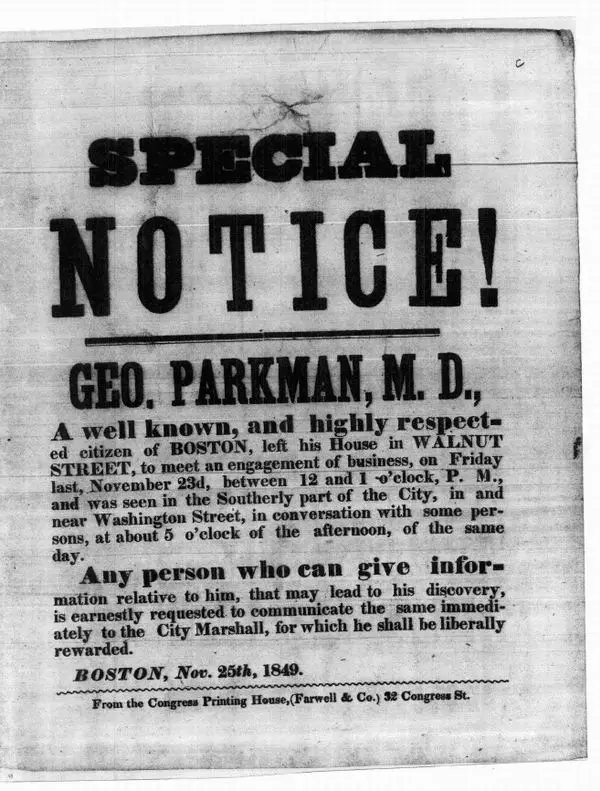
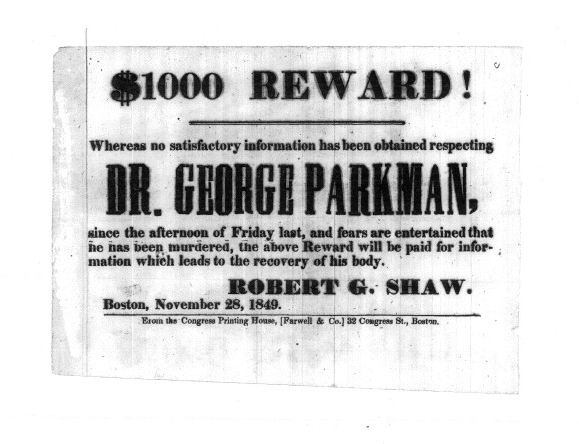
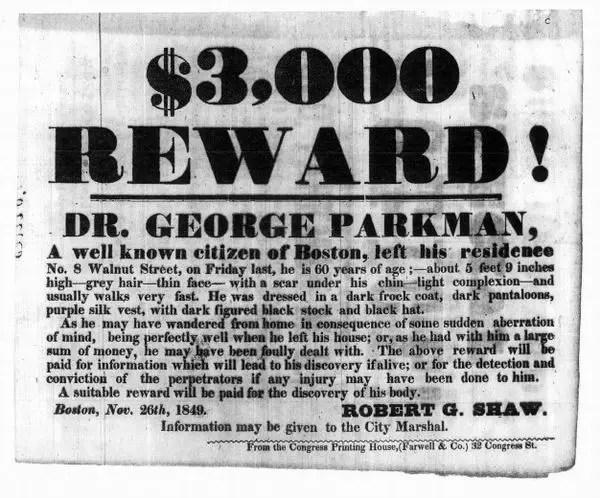
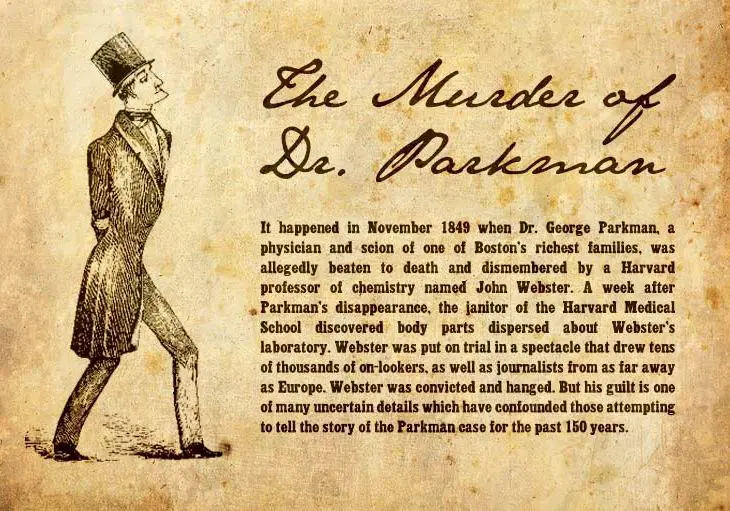
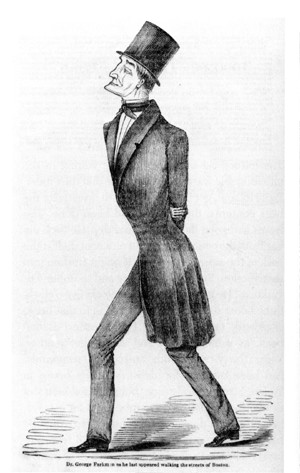
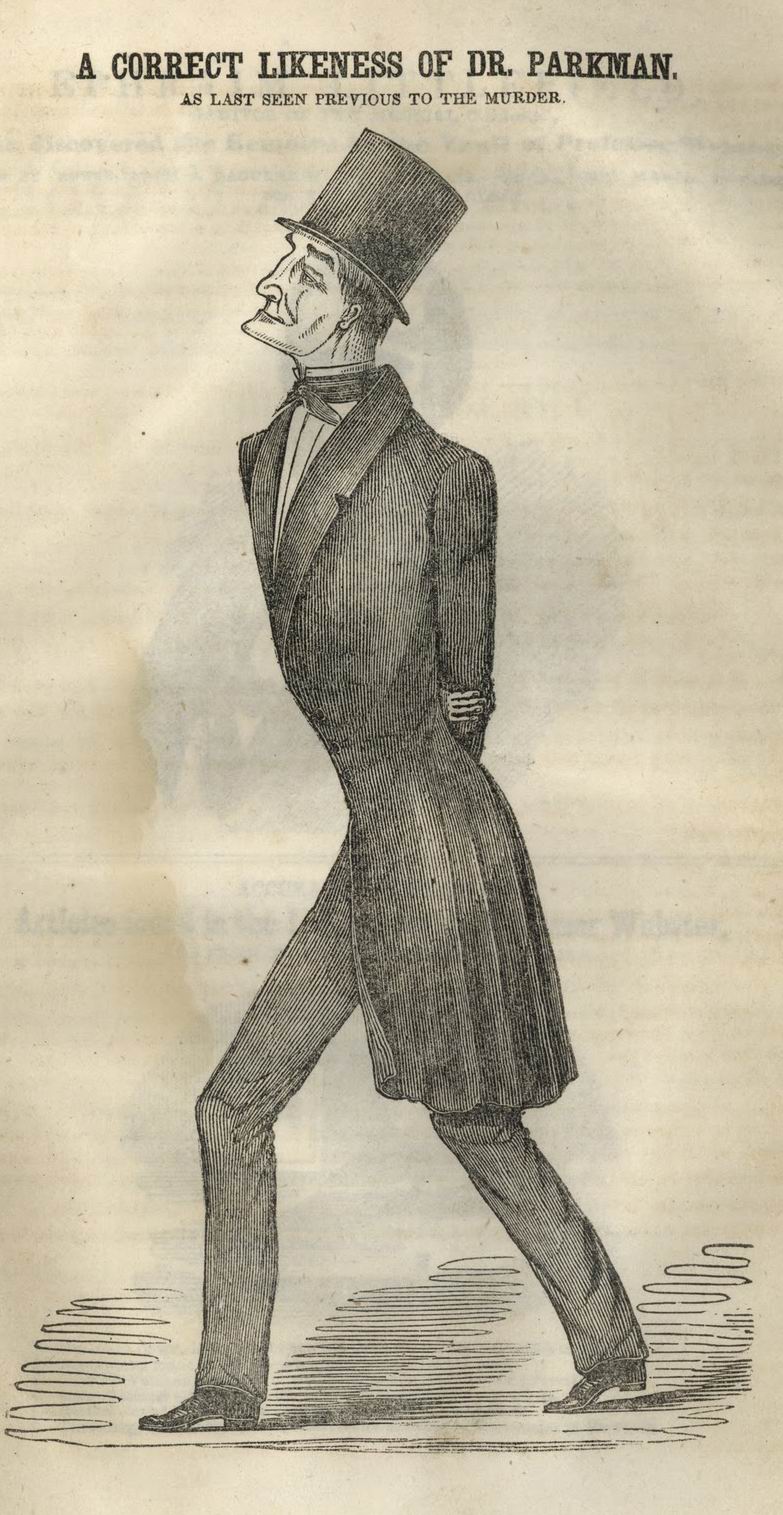
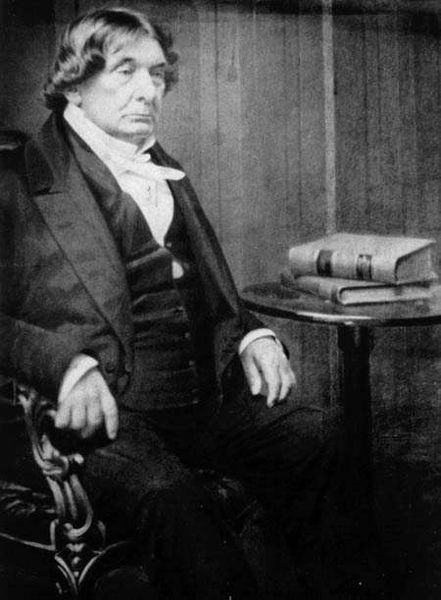
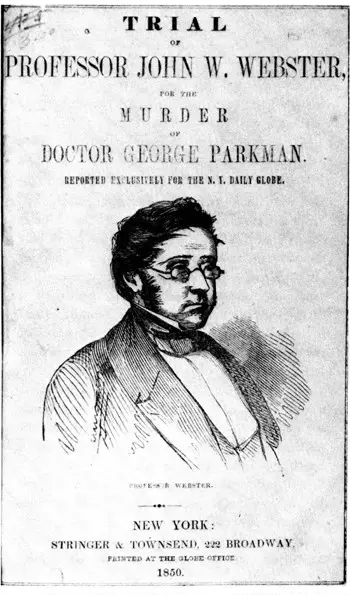
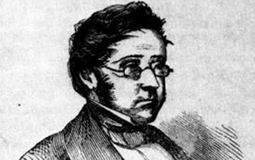
John White Webster was a professor at Harvard Medical College. Despite his social standing, he suffered from chronic financial mismanagement, which eventually drove him to commit a brutal murder to escape his obligations to his creditor, Dr. George Parkman.
2. Crime Spree
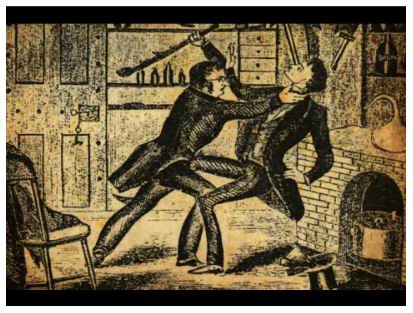
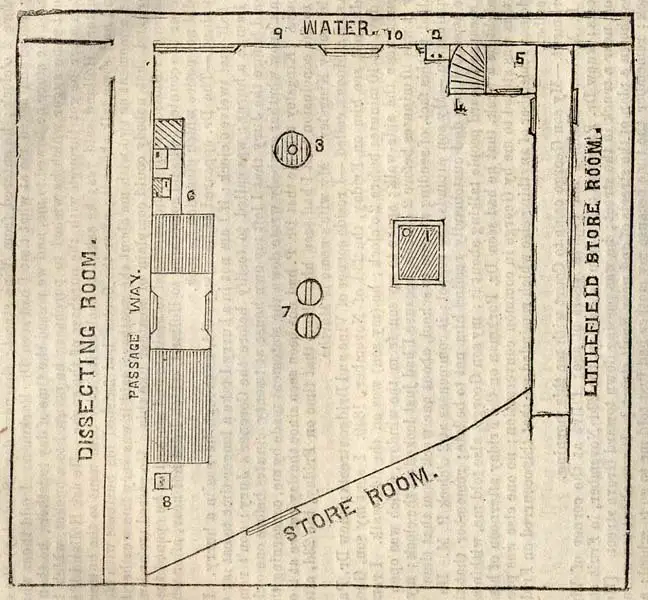
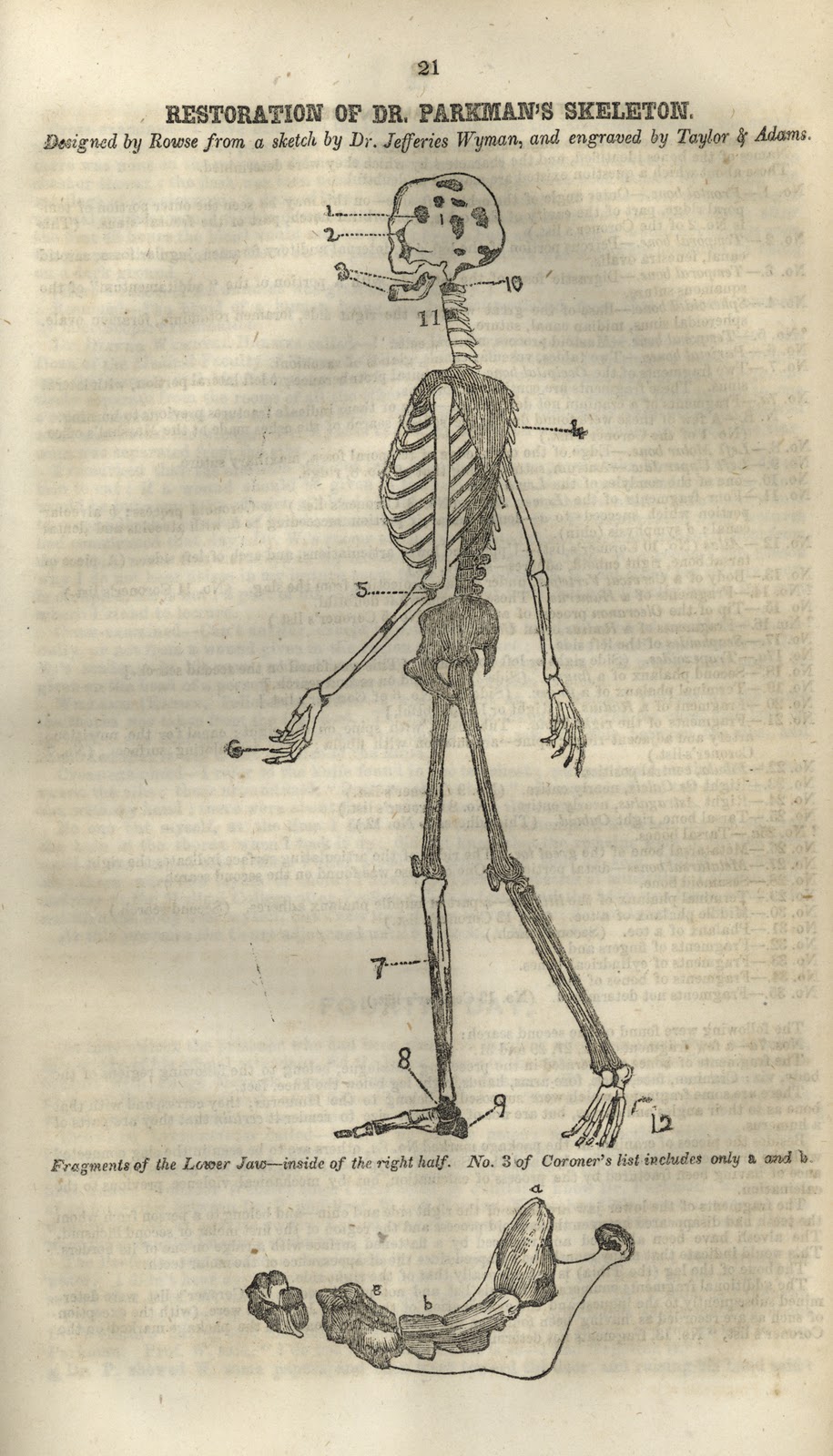
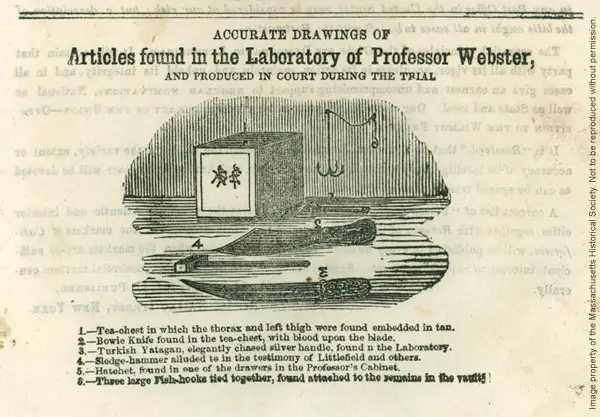
On November 23, 1849, Webster lured Parkman to the Medical College. After a heated argument, he struck Parkman with a wooden stick, killing him instantly. He then proceeded to dismember the body and dispose of the parts in the laboratory's privy vault.
3. Investigation and Arrest
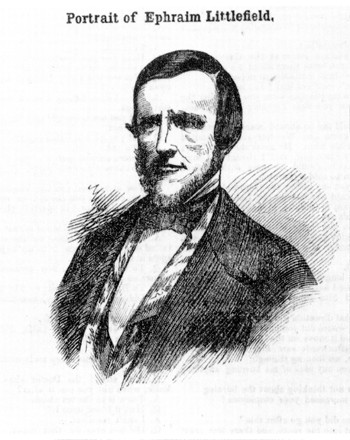
Ephraim Littlefield, the college janitor, became suspicious of Webster's behavior. After discovering human remains in the privy vault, he alerted the authorities. This discovery led to the immediate arrest of Professor Webster.
4. Legal Proceedings and Outcome
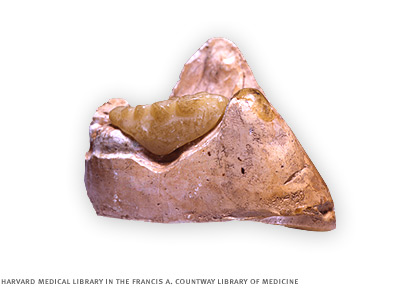
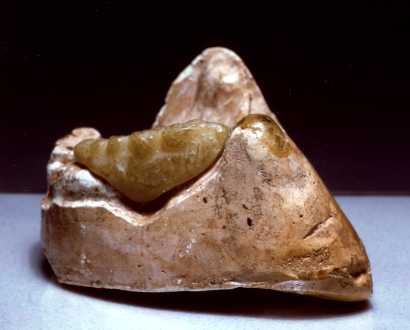
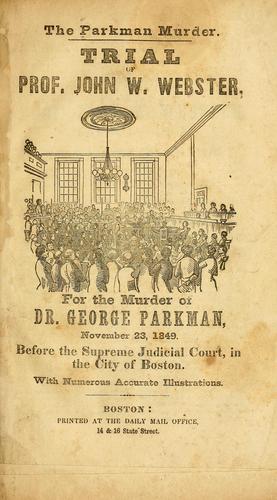
The trial was a landmark case in American legal history, notable for the use of dental evidence to identify the victim. Despite the defense's attempts to discredit the evidence, Webster was convicted and sentenced to death.
5. Forensic Conclusion
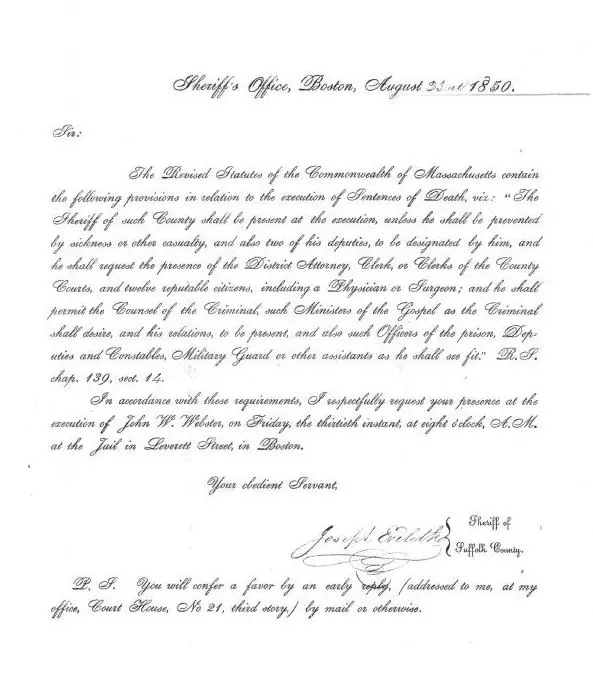
After a failed appeal and a late confession claiming self-defense, Webster was executed by hanging on August 30, 1850.