



Forensic & Criminological Matrix
| Parameter | Forensic Detail |
|---|---|
| Forensic Heading / Aliases | None |
| Legal Identity | Daniel Webb |
| Confirmed Victims | 1 |
| Attributed / Indicted Victims | 1 |
| Active Timeline | 1989 |
| Jurisdiction / Area of Operations | Hartford, Connecticut, USA |
| Criminological Classification | Homicide, Kidnapper |
| Forensic Modus Operandi | Parking garage abduction, transport to isolated area, sexual assault, and summary execution |
| Weapon / Mechanism of Death | Firearm (five gunshots) |
| Motive / Behavioral Dynamics | Criminal / Sexual violence |
| Judicial Outcome | Sentenced to death (1991), subject to prolonged constitutional appeals regarding lethal injection |
1. Background and Profile
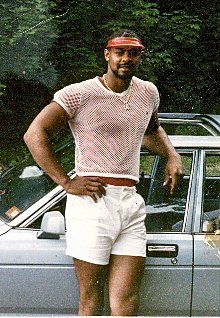
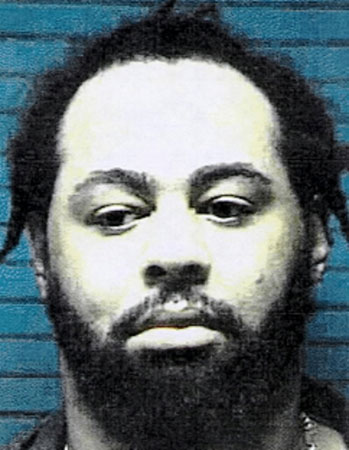
Daniel Webb (born 1961) is a convicted murderer currently incarcerated in Connecticut. Standing 6'3" and weighing approximately 190 pounds, he was described by observers as a physically imposing individual. Throughout his legal proceedings, he displayed a lack of cooperation with his defense counsel and consistently refused to express remorse for his actions, even failing to attend court on the day the jury's verdict was announced.
2. Crime Spree
On August 24, 1989, Webb abducted Diane Gellenbeck, a 37-year-old vice president of the Connecticut National Bank, from a downtown Hartford parking garage while she was en route to a meeting. He transported her to Keney Park, where he attempted to rape her. Upon her attempt to flee, Webb shot her five times. Witnesses testified that the final shot was delivered point-blank into her face as she crawled on the ground.
3. Investigation and Arrest
Law enforcement successfully linked Webb to the crime through forensic evidence and eyewitness testimony. Despite the overwhelming evidence, Webb maintained his innocence, claiming that he was forced to defend himself due to ineffective counsel and judicial bias. The investigation was meticulous, focusing on the recovery of ballistic evidence and the reconstruction of the timeline from the parking garage to the park.
4. Legal Proceedings and Outcome
Webb was sentenced to death on July 26, 1991. His case became a significant legal battleground regarding the constitutionality of lethal injection in Connecticut. The case underwent extensive appellate review, focusing on whether the state's execution protocol constituted cruel and unusual punishment under the state constitution. The case reached the Connecticut Supreme Court, which remanded the matter for hearings on the constitutionality of the lethal injection protocol.
5. Psychiatric Evaluation and Status
Webb remains incarcerated at the Somers Correctional Institution. His case is frequently cited in legal literature regarding the intersection of capital punishment, state constitutional law, and the procedural requirements for the administration of lethal injection, serving as a landmark case in Connecticut's death penalty jurisprudence.