




Forensic & Criminological Matrix
| Parameter | Forensic Detail |
|---|---|
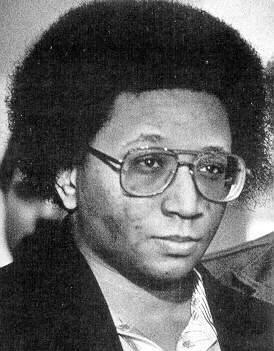
| Full Legal Name | Wayne Bertram Williams |
| Media & Criminological Moniker | The Atlanta Child Murderer |
| Nationality | United States |
| Date of Birth | May 27, 1958, Atlanta, Georgia |
| Current Penal Status | Incarcerated; serving two consecutive life sentences at Telfair State Prison, Georgia |
| Legally Convicted Murders | 2 adult victims (Nathaniel Cater, 27; Jimmy Ray Payne, 21) |
| Attributed Serial Victims | Between 23 and 29 African-American children, teenagers, and young adults (1979–1981 series) |
| Cause of Death & Weapons | Mechanical asphyxiation by manual throttling and ligature strangulation |
| Forensic Science Milestone | Landmark case in trace evidence admissibility; microscopic and spectral matching of rare trilobal green nylon carpet fibers (Wellman 1818), violet automotive carpet fibers, and German Shepherd hair |
| Criminological Significance | Foundational operational deployment for the FBI Behavioral Science / Behavioral Analysis Unit (John E. Douglas, Roy Hazelwood) |
The Atlanta Reign of Terror (1979–1981)
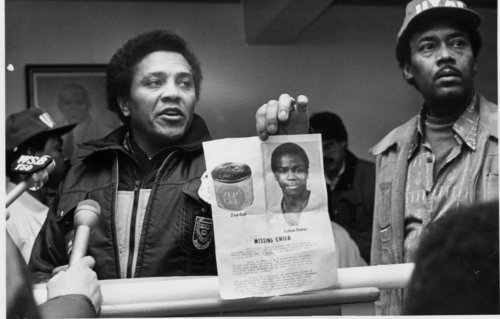
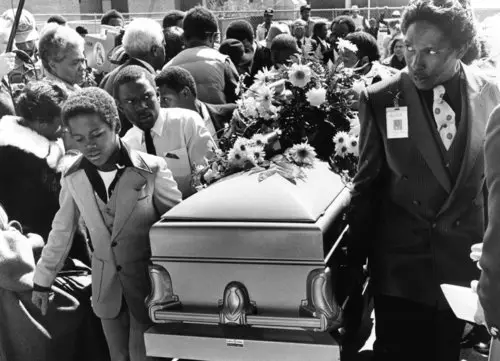
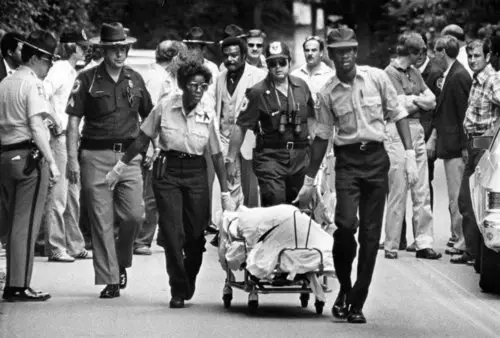
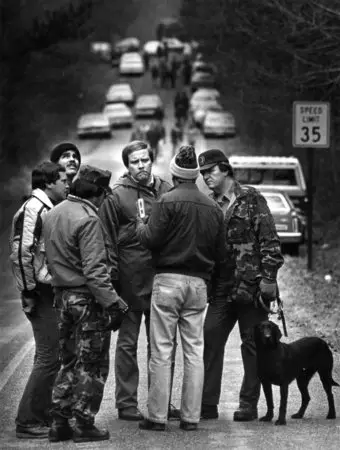
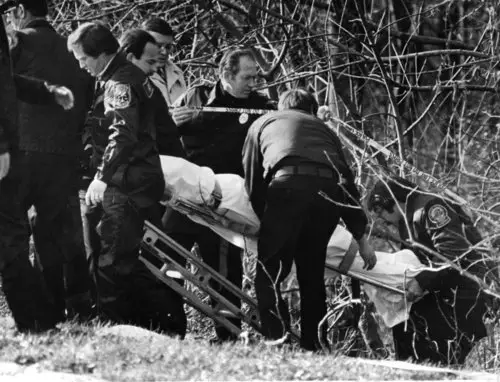
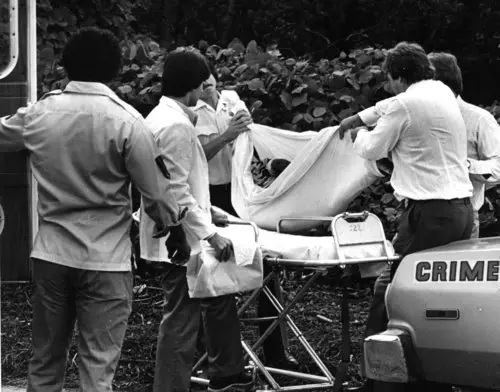
Between mid-1979 and May 1981, the metropolitan area of Atlanta was besieged by an unprecedented serial killing spree. Over a 22-month period, nearly thirty African-American boys, young teenagers, and men vanished from public housing developments, shopping strips, and street corners. Weeks later, their corpses were recovered scattered across secluded woodlands, drainage ditches, and riverbanks.
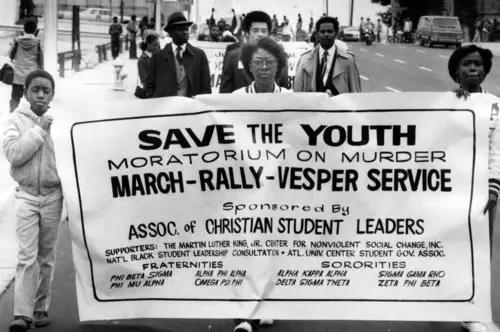
The panic paralyzed the city, prompting national outrage, youth curfews, citizen militias, and direct federal intervention ordered by President Ronald Reagan, uniting the FBI, local police, and state prosecutors into a massive task force.
The Chattahoochee River Ambush
By spring 1981, FBI profiling pioneer John E. Douglas deduced that heavy law enforcement sweeps across rural dumping zones would force the perpetrator to alter his disposal methodology: he predicted the killer would shift to throwing victims into regional waterways to wash away trace evidence and biological residues.
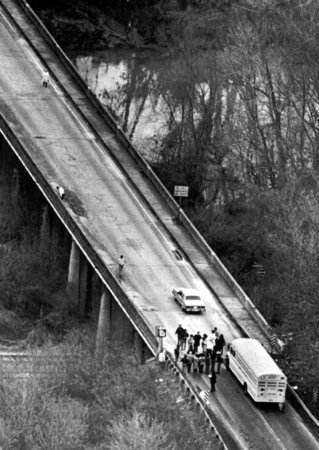
The task force established stakeouts across 14 bridges spanning the Chattahoochee River.
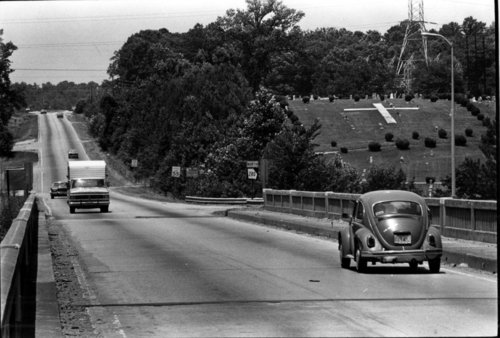
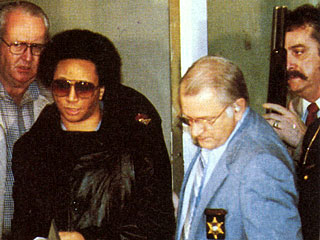
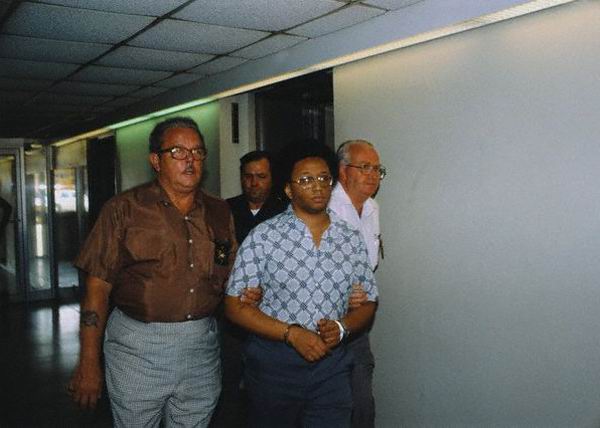
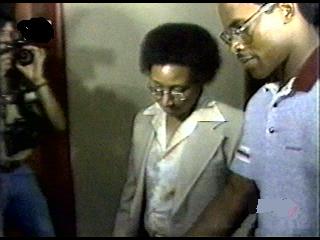
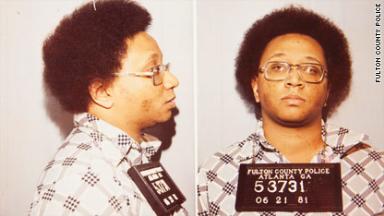
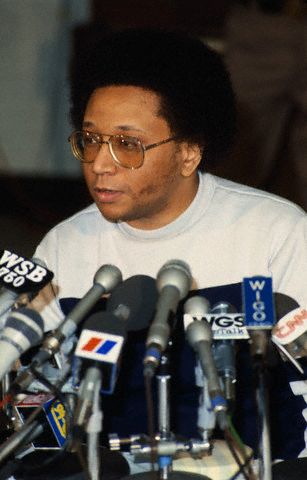
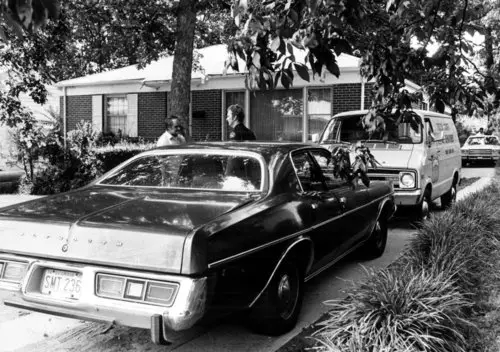
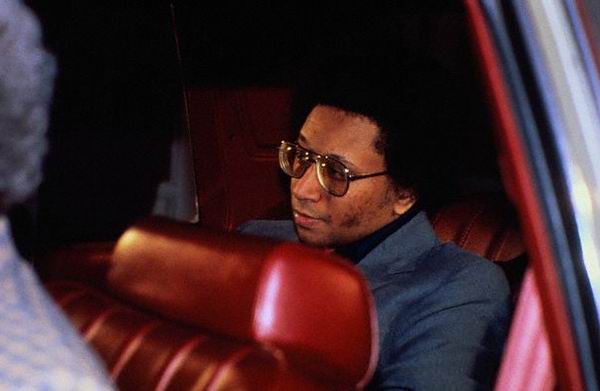
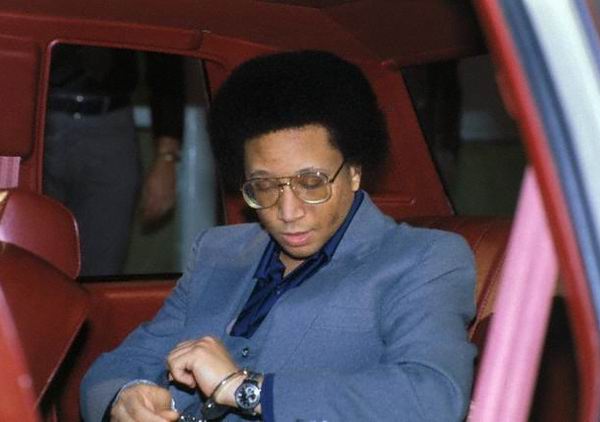
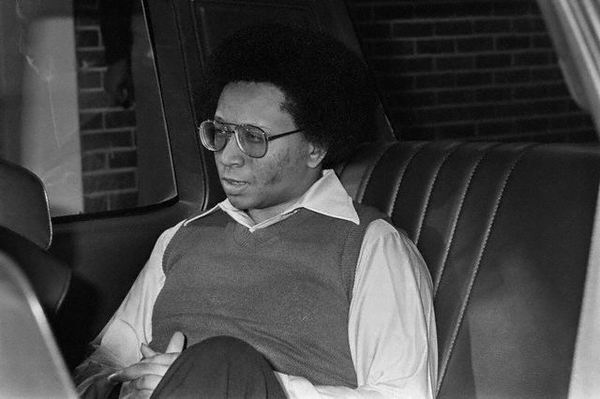
At 02:50 AM on May 22, 1981, FBI and police surveillance officers stationed beneath the Jackson Parkway Bridge heard a massive splash in the dark river below. Moments later, a white Chevrolet station wagon was spotted pulling away from the bridge railing. Officers intercepted the vehicle. Behind the wheel was 23-year-old Wayne Bertram Williams, an independent freelance photographer and self-described talent scout.
When questioned about the splash, Williams claimed he had discarded trash and was driving to interview an aspiring singer named Cheryl Johnson. Subsequent investigations confirmed no such woman or appointment existed.
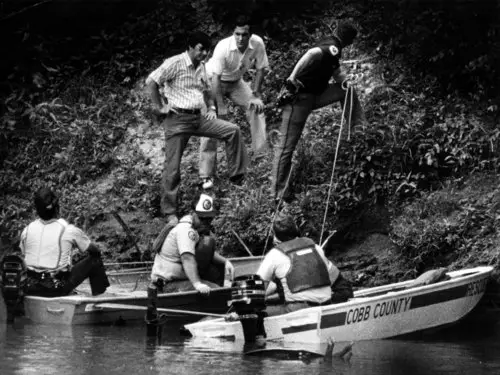
Two days later, on May 24, the naked corpse of Nathaniel Cater (27) surfaced downriver, floating just downstream from the bridge where Williams was halted.
The Trace Fiber Forensic Evidence
Williams denied any involvement, but the physical trace analysis spearheaded by FBI microscopic evidence specialist Harold Deadman provided a historic scientific demonstration:
- Trilobal Green Carpet Fibers: Green synthetic nylon fibers retrieved from twelve murder victims—including Cater and Jimmy Ray Payne—matched rare trilobal fibers produced by Wellman Inc. between 1970 and 1971. A court-authorized search of Williams's residence confirmed that his bedroom floor was carpeted with this exact batch.
- Automotive Fibers: Violet rayon fibers recovered on several victim garments exhibited precise microscopic and dye-composition matches to the carpeting of the Williams family Chevrolet.
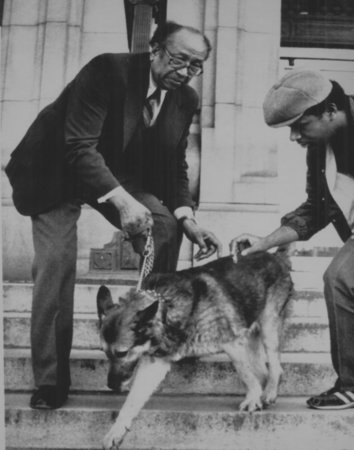
- Canine Hair Matches: Animal hairs lifted from multiple child corpses matched the microscopic hair structure of the Williams family German Shepherd dog, Sheba.
- Statistical Probability: Mathematical and forensic experts testified that the mathematical probability of an unrelated individual owning both the specific carpet, the vehicle interior, and the identical dog breed was less than one in several million.
The Landmark Trial and Legacy
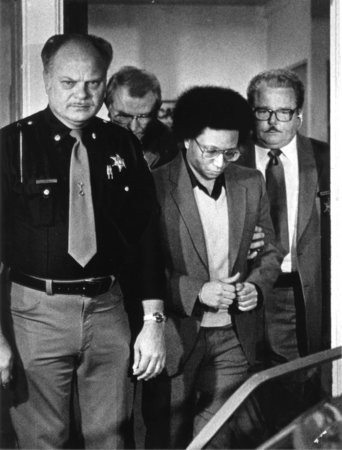
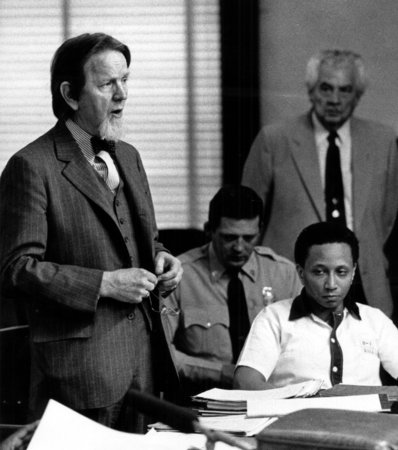
In January 1982, Wayne Williams stood trial in Fulton County Superior Court for the murders of Nathaniel Cater and Jimmy Ray Payne. The prosecution introduced evidence from ten additional unsolved child murders under the "pattern and modus operandi" exception.
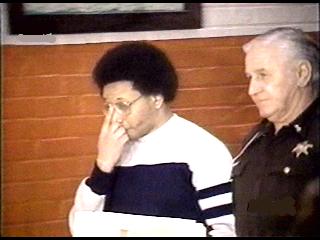
On February 27, 1982, the jury returned a verdict of guilty on both counts of first-degree murder. Williams was sentenced to two consecutive life sentences.
Following the conviction, law enforcement closed 23 open child homicide files, attributing them to Williams without further trials. Although Williams has maintained his innocence, subsequent mitochondrial DNA testing on archived animal hairs conducted in 2007 further supported the original scientific matches to the Williams household dog.