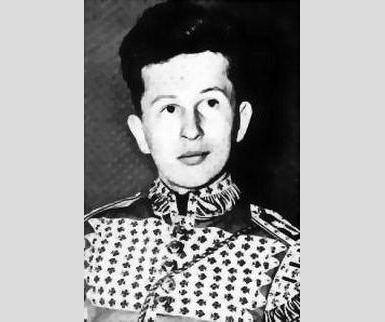
Forensic & Criminological Matrix
| Parameter | Forensic Detail |
|---|---|
| Forensic Heading / Aliases | None |
| Legal Identity | John Selby Watson |
| Confirmed Victims | 1 |
| Attributed / Indicted Victims | 1 |
| Active Timeline | October 8, 1871 |
| Jurisdiction / Area of Operations | London, United Kingdom |
| Criminological Classification | Murderer / Parricide |
| Forensic Modus Operandi | Blunt force trauma to the head via pistol butt |
| Weapon / Mechanism of Death | Pistol (used as a bludgeon) |
| Motive / Behavioral Dynamics | Financial distress and chronic marital conflict |
| Judicial Outcome | Death sentence commuted to life imprisonment |
1. Background and Profile
John Selby Watson was a respected classical translator and headmaster of Stockwell Grammar School. Born in 1804, he was an ordained deacon and a prolific writer. His life took a downward turn in 1870 when he was dismissed from his position without a pension, exacerbating existing tensions with his wife, Anne Armstrong.
2. Crime Spree
On October 8, 1871, Watson killed his wife in their home. He used the butt of a pistol to batter her to death. Following the act, he attempted suicide by consuming prussic acid, leaving behind notes for his servant and his doctor admitting to the crime, claiming he acted in a fit of rage.
3. Investigation and Arrest
His servant, Ellen Pyne, found Watson unconscious and alerted medical help. The subsequent discovery of his wife's body in a locked bedroom led to his immediate arrest. The weapon was recovered from his dressing table.
4. Legal Proceedings and Outcome
Watson stood trial at the Old Bailey in 1872. His defense team argued for insanity, a plea that gained significant public and medical attention. Although found guilty, the jury's recommendation for mercy and subsequent medical affidavits led the Home Office to commute his death sentence to life imprisonment.
5. Psychiatric Evaluation and Death
Watson served his sentence at Parkhurst prison. He was never transferred to an asylum, as no clear signs of permanent madness were observed. He died on July 6, 1884, after falling from his prison hammock.