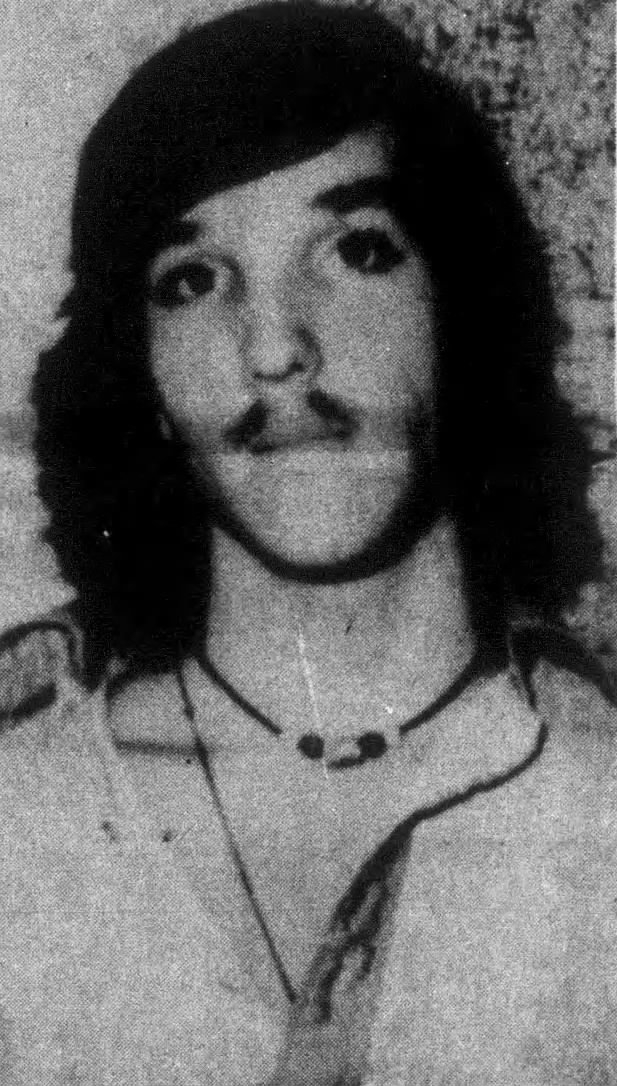
Forensic & Criminological Matrix
| Parameter | Forensic Detail |
|---|---|
| Forensic Heading / Aliases | None |
| Legal Identity | Jeffrey Alan Walton |
| Confirmed Victims | 1 |
| Attributed / Indicted Victims | 1 |
| Active Timeline | 1986 |
| Jurisdiction / Area of Operations | Tucson, Arizona |
| Criminological Classification | Predatory Murderer |
| Forensic Modus Operandi | Abduction, robbery, and execution in remote desert |
| Weapon / Mechanism of Death | .22 caliber derringer pistol |
| Motive / Behavioral Dynamics | Pecuniary gain and sadistic gratification |
| Judicial Outcome | Death sentence (upheld by Supreme Court in 1990) |
1. Background and Psychopathy
Born in 1966, Jeffrey Alan Walton exhibited a pattern of antisocial behavior and impulsive violence. Legal proceedings highlighted a history of substance abuse and alleged childhood sexual abuse, which were unsuccessfully used as mitigating factors during his sentencing phase.
2. Crime Spree
On March 2, 1986, Walton and two accomplices, Robert Hoover and Sharold Ramsey, targeted Thomas Powell, an off-duty Marine, at a Tucson bar. After kidnapping him at gunpoint, they drove him into the desert. Walton forced Powell to lie face down and shot him in the head with a .22 caliber derringer. The victim did not die immediately; he remained in the desert, blinded and unconscious, dying six days later from exposure and starvation.
3. Investigation and Arrest
Walton was arrested one week after the murder. He led police to the crime scene. Forensic examination of the victim's remains provided the basis for the prosecution's argument regarding the cruelty of the act.
4. Legal Proceedings and Outcome
Walton was convicted of first-degree murder. The case reached the U.S. Supreme Court in Walton v. Arizona (1990), which upheld the state's capital sentencing scheme and the definition of the "especially heinous, cruel, or depraved" aggravating factor. Despite appeals, his death sentence was affirmed.