Forensic & Criminological Matrix
| Parameter | Forensic Detail |
|---|---|
| Forensic Heading / Aliases | Machine Gun Walker |
| Legal Identity | William Erwin Walker |
| Confirmed Victims | 1 |
| Attributed / Indicted Victims | 1 |
| Active Timeline | 1945-1946 |
| Jurisdiction / Area of Operations | Los Angeles, California |
| Criminological Classification | Murderer, Robber, War Veteran |
| Forensic Modus Operandi | Armed robberies with military weapons and homemade explosives |
| Weapon / Mechanism of Death | Thompson submachine gun, .45 caliber pistol, nitroglycerin |
| Motive / Behavioral Dynamics | Paranoid schizophrenia, war trauma, delusions of grandeur |
| Judicial Outcome | Death sentence (1947), commuted to life (1961), paroled (1974) |
1. Background and Profile
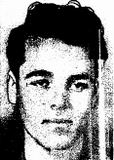
Born in 1918 in Glendale, California, William Erwin Walker was a highly intelligent individual with a background in electronics. His service in the Pacific theater during WWII, particularly the loss of a close friend during a Japanese attack, left him psychologically scarred. He returned to the U.S. unable to reintegrate into civilian life, harboring intense guilt and paranoia.
2. Crime Spree
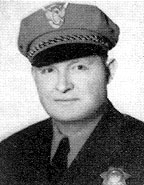
Walker's criminal career involved a series of high-stakes burglaries and armed robberies. He utilized his technical skills to manufacture explosives and his military training to handle automatic weapons. His spree reached a violent peak in 1946 when he shot two LAPD detectives and subsequently murdered Officer Loren Cornwell Roosevelt.
3. Investigation and Arrest
Following a tip, police raided his apartment on December 20, 1946. Walker was apprehended after a fierce struggle. The discovery of his arsenal, including booby-trapped vehicles, highlighted the extreme danger he posed to law enforcement.
4. Legal Proceedings and Outcome
Sentenced to death in 1947, Walker's execution was stayed after a suicide attempt led to a diagnosis of paranoid schizophrenia. He spent over a decade in state hospitals before being declared sane in 1961, leading to a commutation of his sentence. He was paroled in 1974 and lived the remainder of his life in obscurity until his death in 1982.