Forensic & Criminological Matrix
| Parameter | Forensic Detail |
|---|---|
| Forensic Heading / Aliases | null |
| Legal Identity | Thomas Griffiths Wainewright |
| Confirmed Victims | 0 |
| Attributed / Indicted Victims | 4 |
| Active Timeline | 1830-1837 |
| Jurisdiction / Area of Operations | London, UK; Boulogne, France |
| Criminological Classification | Suspected Serial Killer / Fraudster |
| Forensic Modus Operandi | Strychnine poisoning |
| Weapon / Mechanism of Death | Strychnine |
| Motive / Behavioral Dynamics | Greed, social status, psychological instability |
| Judicial Outcome | Life transportation to Van Diemen's Land for forgery |
1. Background and Profile
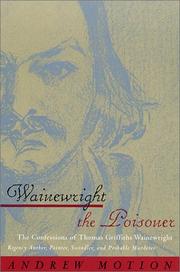
Thomas Griffiths Wainewright was born in October 1794 in Richmond, London. Orphaned young, he was raised by his maternal grandfather, Ralph Griffiths. Educated at Greenwich Academy, he moved in elite literary circles. His extravagant lifestyle as a dandy and artist eventually led to severe financial distress.
2. Criminal Career and Modus Operandi
In 1830, Wainewright insured his sister-in-law's life for £18,000. Following her death in December 1830, insurance companies refused payment due to suspected fraud. It was later alleged that he used strychnine to murder his sister-in-law, uncle, mother-in-law, and a Norfolk acquaintance, though these charges were never formally proven in court.
3. Investigation and Arrest
He fled to Boulogne, France, where he was detained as a suspicious person, with strychnine found in his possession. British authorities, unable to prove the murders, focused on his previous forgery of bank stock to ensure his removal from society.
4. Legal Proceedings and Outcome
Arrested upon his return to London in 1837, he was convicted of forgery and transported for life to the penal colony of Hobart Town, Tasmania, arriving on November 21, 1837, on the ship Susan.
5. Psychiatric Assessment and Legacy
In Tasmania, he served as a hospital orderly and portraitist. He was granted a conditional pardon in 1846 and died of apoplexy in Hobart on August 17, 1847. His life has inspired numerous literary works, including those by Oscar Wilde and Charles Dickens.