Forensic & Criminological Matrix
| Parameter | Forensic Detail |
|---|---|
| Forensic Heading / Aliases | None |
| Legal Identity | Theodore Paul Wafer |
| Confirmed Victims | 1 |
| Attributed / Indicted Victims | 1 |
| Active Timeline | November 2, 2013 |
| Jurisdiction / Area of Operations | Dearborn Heights, Michigan, USA |
| Criminological Classification | Second-degree murderer |
| Forensic Modus Operandi | Close-range shotgun blast through a screen door |
| Weapon / Mechanism of Death | 12-gauge Mossberg shotgun |
| Motive / Behavioral Dynamics | Unjustified fear / Misperception of threat |
| Judicial Outcome | Sentenced to 17-32 years in prison |
1. Background and Psychopathy
Theodore Paul Wafer was a 54-year-old airport maintenance worker at the time of the incident. He lived in a quiet residential area in Dearborn Heights. While he had no prior criminal record, his lifestyle involved heavy alcohol consumption. He was described by acquaintances as a man who lived a solitary life.
2. Crime Spree
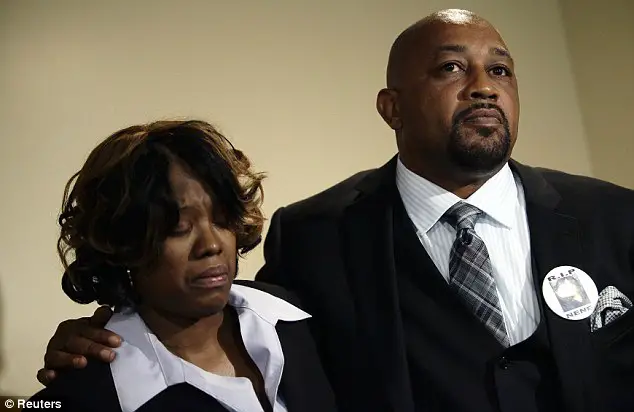
On November 2, 2013, 19-year-old Renisha McBride crashed her vehicle in Detroit. After wandering for hours, she arrived at Wafer's home seeking help. Wafer, claiming he feared a break-in, opened his front door and fired his shotgun through the screen, killing McBride instantly. The case became a flashpoint for racial tensions and debates over self-defense laws.
3. Investigation and Arrest
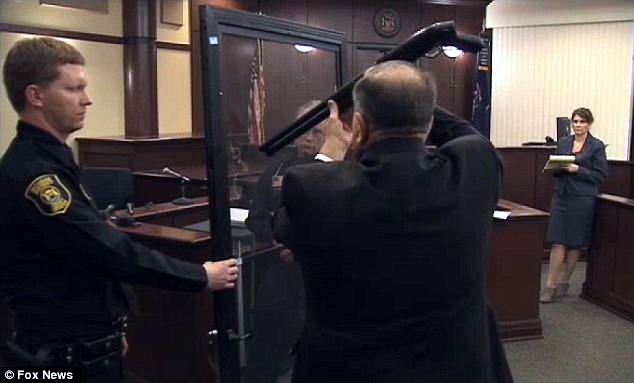
Police arrived at the scene following Wafer's 911 call. Forensic evidence, including the lack of forced entry marks on the door, contradicted Wafer's claim of self-defense. The investigation highlighted the discrepancy between his initial statement of an 'accidental discharge' and the deliberate act of opening the door to fire.
4. Legal Proceedings and Outcome
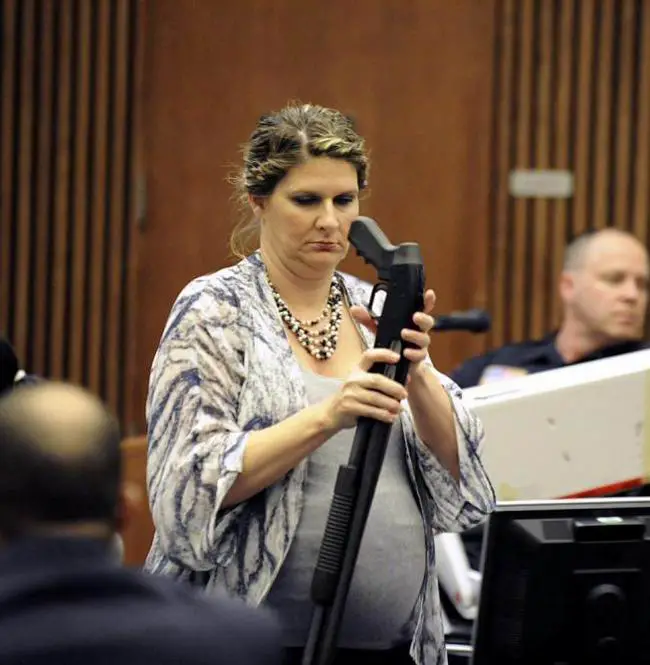
Wafer was charged with second-degree murder, manslaughter, and felony firearm possession. During the 2014 trial, the prosecution successfully argued that his actions were unreasonable and unjustified. On September 3, 2014, he was sentenced to 17 to 32 years in prison, a decision that was widely seen as a rejection of the 'stand your ground' defense in cases where the threat is not imminent.