




Forensic & Criminological Matrix
| Parameter | Forensic Detail |
|---|---|
| Forensic Heading / Aliases | None recorded |
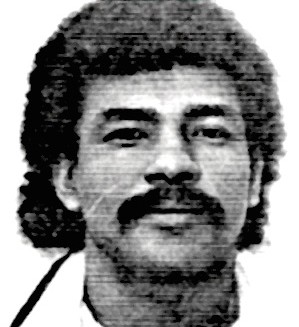
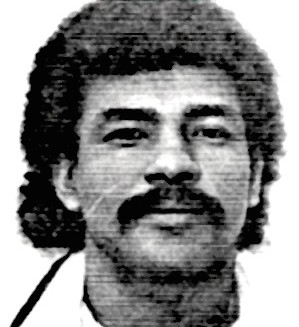
| Legal Identity | Jose Roberto Villafuerte |
| Confirmed Victims | 1 |
| Attributed / Indicted Victims | 1 |
| Active Timeline | February 1983 |
| Jurisdiction / Area of Operations | Phoenix, Maricopa County, Arizona |
| Criminological Classification | Murderer / Domestic Violence |
| Forensic Modus Operandi | Mechanical asphyxiation via gagging and binding |
| Weapon / Mechanism of Death | Bed sheet strip, clothing, physical force |
| Motive / Behavioral Dynamics | Domestic violence and coercive control |
| Judicial Outcome | Executed by lethal injection on April 22, 1998 |
1. Background and Profile
Jose Roberto Villafuerte was a Honduran national living in Phoenix, Arizona, during the early 1980s. He was involved in a romantic relationship with 47-year-old Amelia Schoville, a mother of three. Despite being married to another woman in Honduras, Villafuerte resided with Schoville in a trailer in Phoenix. His behavioral history indicated a pattern of domestic violence and extreme control over his partner.
2. Crime Spree
In February 1983, following a domestic dispute, Villafuerte subjected Amelia Schoville to extreme violence. The victim was discovered in Villafuerte's trailer, her hands tied behind her back, thumbs bound with shoelaces, and an ankle tethered to her hands with bedding. Her head was wrapped in thermal underwear and bloodstained linens. The cause of death was mechanical asphyxiation caused by a tightly wrapped strip of bed sheet forced into her throat. Prosecutors argued that the victim endured a 24-hour agony before succumbing to her injuries.
3. Investigation and Arrest
Villafuerte was apprehended on February 22, 1983, near Ash Fork, Arizona, while sleeping in a dry riverbed near the victim's vehicle. He initially attempted to deflect blame by claiming that two acquaintances, "Robert" and "Fernando," were present and responsible for the rape and murder after he left the trailer. Authorities were unable to locate these individuals, and Villafuerte's refusal to provide detailed descriptions led investigators to dismiss his claims as a fabrication.
4. Legal Proceedings and Outcome
The trial commenced on July 11, 1983, presided over by Judge Paul LaPrade. On July 18, 1983, the jury returned a guilty verdict, and the death sentence was imposed on September 9, 1983. During his 14 years on death row, Villafuerte filed numerous appeals, including claims regarding the violation of the Vienna Convention on Consular Relations, as he was not notified of his right to consular assistance upon his arrest.
5. Psychiatric Evaluation and Final Disposition
The case caused significant diplomatic friction between the United States and Honduras. Despite pleas for clemency from Honduran President Carlos Fuerte and the Vatican, the Arizona Board of Executive Clemency denied his appeal. Jose Roberto Villafuerte was executed by lethal injection on April 22, 1998, at the state prison complex southeast of Phoenix. In his final moments, he maintained his innocence and showed no remorse.