




Forensic & Criminological Matrix
| Parameter | Forensic Detail |
|---|---|
| Forensic Heading / Aliases | None |
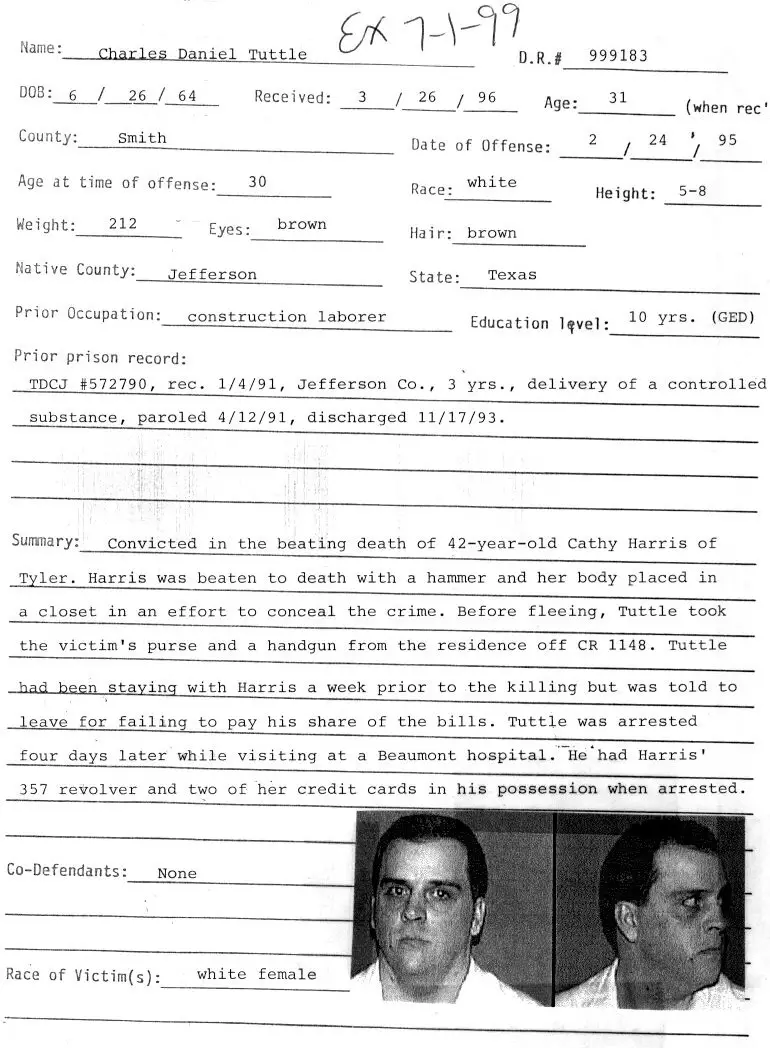
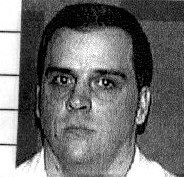
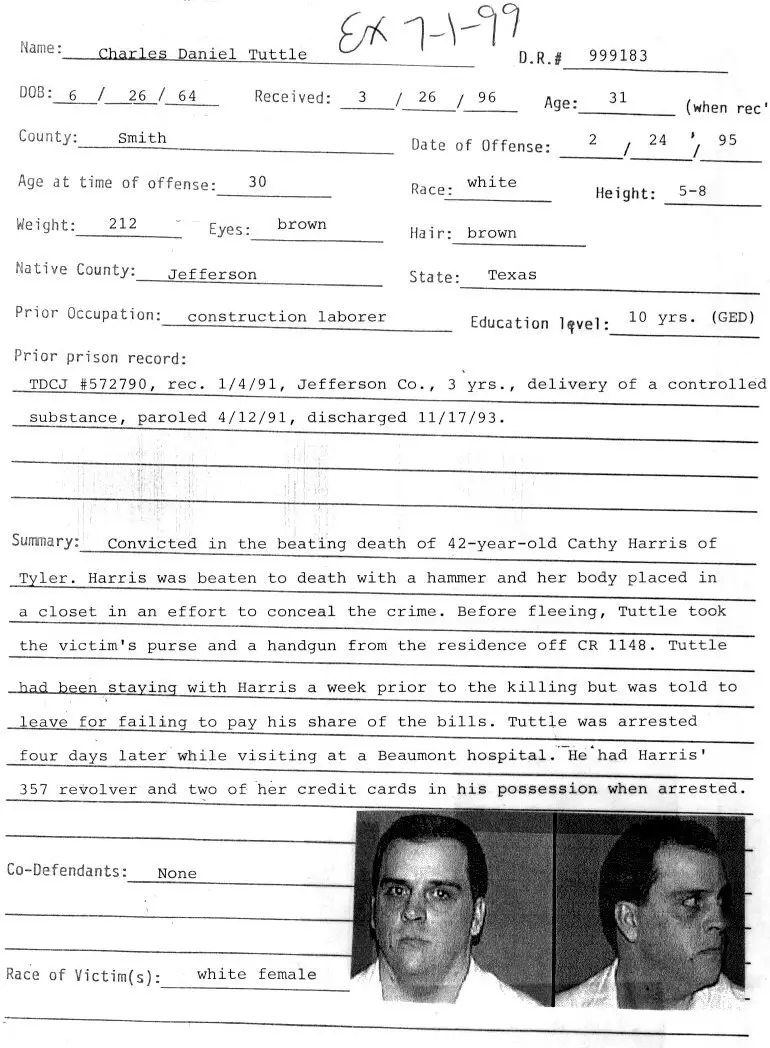
| Legal Identity | Charles Daniel Tuttle |
| Confirmed Victims | 1 |
| Attributed / Indicted Victims | 1 |
| Active Timeline | February 24, 1995 |
| Jurisdiction / Area of Operations | Tyler, Smith County, Texas |
| Criminological Classification | Murderer (Capital Murder) |
| Forensic Modus Operandi | Blunt force trauma via claw hammer |
| Weapon / Mechanism of Death | Claw hammer |
| Motive / Behavioral Dynamics | Robbery and personal conflict |
| Judicial Outcome | Death penalty, executed by lethal injection |
1. Background and Profile
Charles Daniel Tuttle (1964–1999) was a construction worker from Smith County, Texas. He had been staying at the home of Catherine Harris, 42, through his friendship with her nephew, David Landry. Harris eventually asked Tuttle to move out due to his failure to contribute to household bills, a decision that preceded the fatal incident.
2. Crime Spree
On February 24, 1995, Tuttle murdered Catherine Harris in her trailer home. Tuttle admitted to police that he intended to knock Harris unconscious to rob her, but when she began to scream, he struck her at least ten times in the head with a claw hammer. He then concealed her body under blankets and clothes in a closet, stole her credit cards and cash, and fled in her Dodge Dakota truck. Before the murder, Tuttle had reportedly watched the film 'Natural Born Killers' multiple times.
3. Investigation and Arrest
Following the discovery of the body by David Landry, police launched a manhunt. Tuttle was arrested four days later, on February 28, 1995, in Beaumont, Texas, while visiting his father in a hospital. Authorities recovered the murder weapon behind a washer and dryer at the crime scene. DNA evidence from hair fibers on a bloody towel and the victim's clothing provided a definitive link to the suspect.
4. Legal Proceedings and Outcome
Charles Daniel Tuttle was convicted of capital murder on February 17, 1999. Notably, he refused his right to appeal, a move the prosecution viewed as an acceptance of responsibility. He was executed by lethal injection on July 1, 1999, at the Huntsville unit in Texas. In his final statement, he apologized to the victim's family, hoping his decision to drop appeals would aid in their healing.