Forensic & Criminological Matrix
| Parameter | Forensic Detail |
|---|---|
| Forensic Heading / Aliases | None |
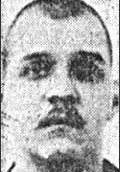
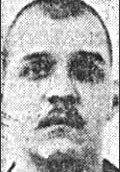
| Legal Identity | William Boyd Tucker |
| Confirmed Victims | 1 |
| Attributed / Indicted Victims | 1 |
| Active Timeline | August 20, 1977 |
| Jurisdiction / Area of Operations | Columbus, Georgia, USA |
| Criminological Classification | Murderer, Robber |
| Forensic Modus Operandi | Abduction, armed robbery, and homicide via stabbing |
| Weapon / Mechanism of Death | Knife with long brown handles |
| Motive / Behavioral Dynamics | Robbery and sexual assault |
| Judicial Outcome | Executed by electrocution |
1. Background and Psychopathy
William Boyd Tucker was born in 1956. Prior to the 1977 incident, he had no prior criminal record. Following the death of his father three months before the crime, his substance abuse escalated, which his defense team cited as a contributing factor to his mental state.
2. Crime Spree
On August 20, 1977, after heavy consumption of alcohol and marijuana, Tucker entered a Majik Market in Columbus. He abducted the clerk, 19-year-old Kathleen Perry, forcing her into his red Volkswagen. He drove her to Pierce Chapel Road, where he stabbed her four times, leading to her death.
3. Investigation and Arrest
Witnesses spotted the red Volkswagen and a shoe on the road. Upon returning to the scene, they discovered Perry's body in a ditch. Police were notified and arrested Tucker when he returned to the scene in his vehicle shortly after the crime.
4. Legal Proceedings and Outcome
Tucker confessed to the robbery and kidnapping but claimed memory loss regarding the murder. He was convicted and sentenced to death. Despite several stays of execution and appeals to the U.S. Supreme Court, he was executed on May 29, 1987.
5. Psychiatric Evaluation and Conclusion
The defense highlighted Tucker's emotional trauma and intoxication. The case became notable for the legal debate surrounding the prosecutor's closing arguments, which were challenged for being inflammatory, though the conviction and death sentence were ultimately upheld.