


Forensic & Criminological Matrix
| Parameter | Forensic Detail |
|---|---|
| Forensic Heading / Aliases | The Finborough Road murderer |
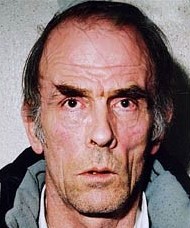
| Legal Identity | Ronald True |
| Confirmed Victims | 1 |
| Attributed / Indicted Victims | 1 |
| Active Timeline | 1922 |
| Jurisdiction / Area of Operations | London, United Kingdom |
| Criminological Classification | Mentally ill offender |
| Forensic Modus Operandi | Mechanical asphyxiation and robbery |
| Weapon / Mechanism of Death | Dressing gown cord, towel, and rolling pin |
| Motive / Behavioral Dynamics | Mental disorder, morphine addiction |
| Judicial Outcome | Death sentence commuted to life in Broadmoor Hospital |
1. Background and Psychopathy
Born in Manchester in 1891, Ronald True was educated at Bedford School. His life was characterized by chronic instability and failed career attempts in New Zealand, Canada, Mexico, and China, where he became addicted to morphine. He served in the Royal Flying Corps in 1915 but was discharged in 1916 following erratic behavior and multiple plane crashes. After marrying in the United States in 1917, he abandoned his wife and child, suffering from delusions and believing he had a mortal enemy in the form of a doppelgänger.
2. Crime Spree
On March 6, 1922, True murdered Gertrude Yates (professional name Olive Young), a 25-year-old prostitute, at her flat at 13a Finborough Road, Earls Court. After being denied entry for days, he was admitted on the night of March 5. The following morning, the victim's maid found her body in the bathroom. She had been asphyxiated with a dressing gown cord and a towel stuffed into her throat, and had suffered blunt force trauma from a rolling pin. True stole money and jewelry before fleeing.
3. Investigation and Arrest
True made no effort to conceal his actions. He was arrested on the night of March 6 at the Hammersmith Palace music hall. Forensic evidence and witness testimony from the maid, Emily Steel, provided a clear link between the suspect and the crime scene.
4. Legal Proceedings and Outcome
True's trial at the Old Bailey in May 1922 focused on his mental state. Despite the defense's plea of insanity, the prosecution argued he was legally responsible under the M'Naghten Rules. He was found guilty and sentenced to death. The case became a national scandal, as the public contrasted his reprieve with the execution of Henry Jacoby, a working-class youth, leading to accusations of class-based leniency.
5. Psychiatric Evaluation and Final Years
Following a medical re-examination, True was declared insane and his death sentence was commuted by Home Secretary Edward Shortt. He was committed to Broadmoor Hospital for the Criminally Insane, where he remained until his death in 1951.