Forensic & Criminological Matrix
| Parameter | Forensic Detail |
|---|---|
| Forensic Heading / Aliases | None |
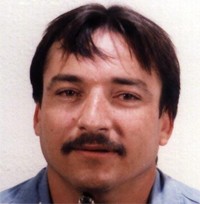
| Legal Identity | Dung D. Trinh |
| Confirmed Victims | 3 |
| Attributed / Indicted Victims | 3 |
| Active Timeline | September 15, 1999 |
| Jurisdiction / Area of Operations | Anaheim, California, USA |
| Criminological Classification | Mass Murderer |
| Forensic Modus Operandi | Armed assault with two .38 revolvers in a hospital setting |
| Weapon / Mechanism of Death | Two .38 caliber revolvers |
| Motive / Behavioral Dynamics | Revenge for perceived medical negligence and racial bias |
| Judicial Outcome | Sentenced to death (March 2003) |
1. Background and Profile
Dung D. Trinh was a Vietnamese refugee living in California, primarily serving as a caregiver for his 72-year-old mother, Mot Trinh. Despite his appearance, which included tattoos that some found intimidating, acquaintances described him as quiet and well-mannered. He had no criminal history or gang affiliations. His life was centered on his mother's health, who suffered from diabetes and hip complications.
2. Crime Spree
Following his mother's death from a heart attack on September 14, 1999, Trinh developed a delusional vendetta against West Anaheim Medical Center, where she had been treated months earlier. On September 15, armed with two .38 revolvers and 50 rounds of ammunition, he entered the hospital. He shot and killed nursing assistant Marlene Mustaffa (60), pharmacist Vincent Rosetti (51), and maintenance worker Ronald Robertson (51), who died while attempting to stop the gunman.
3. Investigation and Arrest
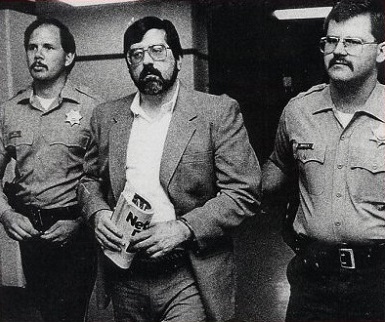
Anaheim Police Sgt. Joe Vargas led the investigation, noting that Trinh believed the hospital staff had mistreated his mother due to racial bias and language barriers. No evidence of negligence was found, confirming the delusional nature of the motive. Trinh was apprehended at the scene after being tackled by Robertson, preventing further casualties.
4. Legal Proceedings and Outcome
The legal process involved three separate juries due to deadlocks regarding the death penalty. Trinh famously taunted the court, demanding the death sentence. In March 2003, Superior Court Judge John J. Ryan sentenced Trinh to death, following the recommendation of the final jury. The case remains a significant example of hospital-based violence.