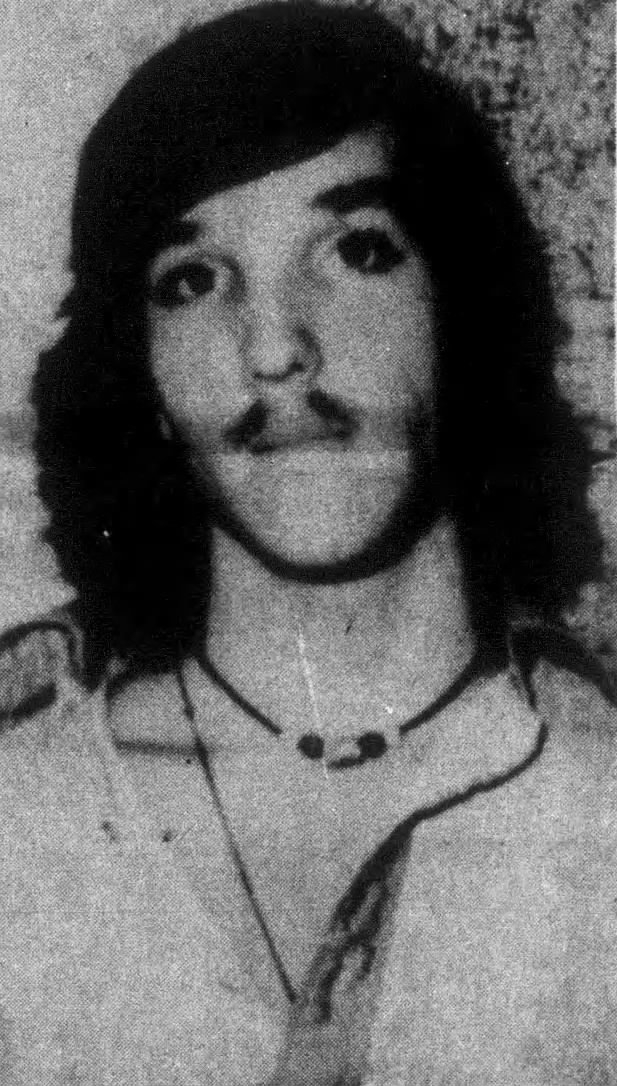
Forensic & Criminological Matrix
| Parameter | Forensic Detail |
|---|---|
| Forensic Heading / Aliases | null |
| Legal Identity | Jeffrey Dale Tiner |
| Confirmed Victims | 1 |
| Attributed / Indicted Victims | 1 |
| Active Timeline | 1993 |
| Jurisdiction / Area of Operations | Springfield, Lane County, Oregon |
| Criminological Classification | Murderer |
| Forensic Modus Operandi | Physical assault, stabbing, and execution by firearm |
| Weapon / Mechanism of Death | Firearm and knife |
| Motive / Behavioral Dynamics | Revenge based on false accusations of child abuse |
| Judicial Outcome | Death sentence (appealed/remanded for sentencing correction) |
1. Background and Profile
Jeffrey Dale Tiner (born May 16, 1958) had a significant criminal history prior to the 1993 murder, including a ten-year stint at Folsom Prison in California. During his incarceration, he became obsessed with vigilante justice against child molesters. Tiner was affiliated with white supremacist groups, specifically the Aryan Warriors in Nevada, and bore multiple tattoos reflecting these ideologies.
2. Crime Spree
In March 1993, Tiner visited his girlfriend, Karlyn Eklof, who was living in the home of James Salmu in Springfield, Oregon. Following a party, Tiner and Eklof confronted Salmu, falsely accusing him of child molestation. The confrontation turned lethal; Salmu was beaten, stabbed, and shot. The perpetrators attempted to sanitize the crime scene by painting walls and replacing carpets. Salmu's remains were discovered in the Cascade Range 20 months later.
3. Investigation and Arrest
Police investigation relied on forensic evidence found in the house and Eklof's videotaped statements. Tiner was arrested while serving an unrelated sentence in Nevada. The legal process was marked by significant delays, leading to constitutional challenges regarding the right to a speedy trial, which were ultimately rejected by the Oregon Supreme Court.
4. Legal Proceedings and Outcome
Trial began on April 4, 2000. Tiner was convicted of aggravated murder and sentenced to death on November 17, 2000. The Oregon Supreme Court affirmed the conviction in 2006 but remanded the case for technical corrections regarding the merger of intentional and aggravated murder counts.