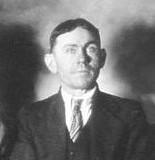
Forensic & Criminological Matrix
| Parameter | Forensic Detail |
|---|---|
| Forensic Heading / Aliases | None |
| Legal Identity | John Merlin Taylor |
| Confirmed Victims | 3 |
| Attributed / Indicted Victims | 3 |
| Active Timeline | August 10, 1989 |
| Jurisdiction / Area of Operations | Escondido, California, USA |
| Criminological Classification | Multiple Murderer / Parricide |
| Forensic Modus Operandi | Firearm usage in domestic and workplace settings |
| Weapon / Mechanism of Death | .22 caliber revolver |
| Motive / Behavioral Dynamics | Unknown / Potential mental instability |
| Judicial Outcome | Case closed due to perpetrator's death |
1. Background and Profile
John Merlin Taylor (1937-1989) was a career postal worker described by colleagues as an "exceptional employee." He lived in Escondido, California, with his wife, Elizabeth. His family history was marked by trauma; his sister had killed their abusive father in 1958. Despite being a father of five and a respected member of the community, neighbors noted a recent increase in his paranoia and a shift in his demeanor, which investigators later analyzed as a potential precursor to his violent outburst.
2. Crime Spree
On August 10, 1989, Taylor shot his wife, Elizabeth, twice in the head at their home. He then drove to the Orange Glen Post Office, where he opened fire on his co-workers. He killed Richard Berni and Ron Williams, both close friends, before wounding two others. The rampage ended when Taylor shot himself in the head near a water fountain inside the facility.
3. Investigation and Arrest
Escondido Police Chief Vincent Jimno led the investigation. A suicide note addressed to his adult sons was recovered, expressing deep emotional distress. Despite extensive forensic analysis of the note and the crime scene, no definitive motive for the killings was ever established.
4. Legal Proceedings and Outcome
No trial occurred. Taylor was declared brain dead upon arrival at Palomar Medical Center and died on August 11, 1989, after his family consented to the withdrawal of life support systems.