Forensic & Criminological Matrix
| Parameter | Forensic Detail |
|---|---|
| Forensic Heading / Aliases | The Quaker poisoner |
| Legal Identity | John Tawell |
| Confirmed Victims | 1 |
| Attributed / Indicted Victims | 1 |
| Active Timeline | 1845 |
| Jurisdiction / Area of Operations | Salt Hill, Berkshire, United Kingdom |
| Criminological Classification | Poisoner |
| Forensic Modus Operandi | Administration of prussic acid in stout |
| Weapon / Mechanism of Death | Prussic acid (cyanide) |
| Motive / Behavioral Dynamics | Fear of social exposure and financial ruin |
| Judicial Outcome | Executed by hanging (Aylesbury, 1845) |
1. Background and Profile
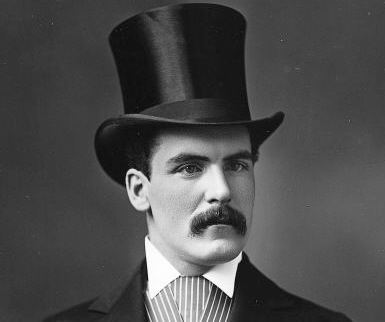
John Tawell (1784-1845) was a British criminal whose life was defined by a facade of Quaker piety masking a history of forgery and deceit. After being transported to Australia for forgery in 1814, he amassed a fortune as a chemist before returning to England. Despite his charitable work, he remained a social climber desperate to protect his reputation from his past and his secret mistress, Sarah Hart.
2. Crime Spree
On January 1, 1845, Tawell purchased prussic acid, claiming it was for medical use. He visited Sarah Hart at her cottage in Salt Hill. After ensuring she consumed the poisoned stout, he fled the scene. His motive was the elimination of the financial and social burden posed by Hart, who had been demanding maintenance for their children.
3. Investigation and Arrest
This case marks the first time the electric telegraph was used to apprehend a murderer. A local vicar alerted the station master, who telegraphed Paddington Station with a description of the 'Quaker' suspect. Sergeant William Williams intercepted Tawell at the station and trailed him through London, leading to his arrest the following morning.
4. Legal Proceedings and Outcome
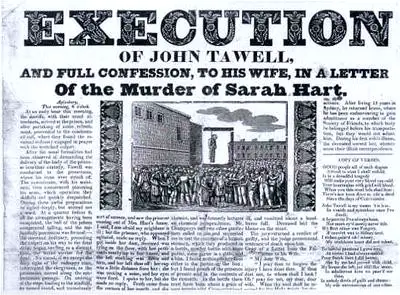
At the Aylesbury Assizes, Tawell was defended by Sir Fitzroy Kelly, who famously argued that the victim died from eating apple pips. The jury rejected this 'apple-pip defense' and convicted him. Tawell was publicly hanged on March 28, 1845, after providing a full confession to the authorities.