Forensic & Criminological Matrix
| Parameter | Forensic Detail |
|---|---|
| Forensic Heading / Aliases | null |
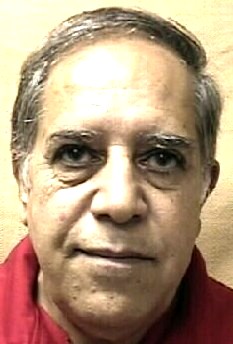
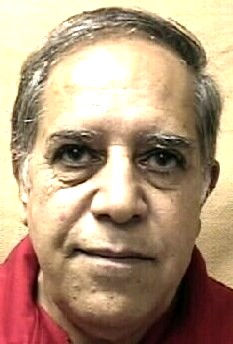
| Legal Identity | Elias Hanna Syriani |
| Confirmed Victims | 1 |
| Attributed / Indicted Victims | 1 |
| Active Timeline | 1990 |
| Jurisdiction / Area of Operations | Charlotte, North Carolina, USA |
| Criminological Classification | Domestic Homicide |
| Forensic Modus Operandi | Stabbing with a screwdriver following vehicular blockade |
| Weapon / Mechanism of Death | Screwdriver |
| Motive / Behavioral Dynamics | Domestic violence, coercive control |
| Judicial Outcome | Death penalty, executed by lethal injection |
1. Background and Psychopathy
Elias Hanna Syriani was born in 1938 in Jerusalem. His early life was defined by poverty and the geopolitical instability of the region. After marrying Teresa Yousef in 1974, he immigrated to the United States. While he maintained a facade of a hardworking provider, his domestic life was characterized by severe physical and verbal abuse, leading to his wife obtaining a restraining order shortly before the murder.
2. Crime Spree
On July 28, 1990, Syriani executed a premeditated attack on his estranged wife. He used his van to block her car in Charlotte, North Carolina. He proceeded to stab her 28 times with a screwdriver while their 10-year-old son witnessed the assault from the passenger seat. Teresa Syriani died 26 days later from the severe brain injuries sustained during the attack.
3. Investigation and Arrest
Police apprehended Syriani shortly after the incident at a nearby fire station. Despite his attempts to claim self-defense, forensic evidence and eyewitness testimony from neighbors and his own son solidified the case against him. The brutality of the attack and the public nature of the crime were central to the prosecution's case.
4. Legal Proceedings and Outcome
Syriani was convicted of first-degree murder in 1991. His legal team attempted to introduce cultural and mental health mitigation, but the jury found the aggravating factor of the crime being 'especially heinous, atrocious, or cruel' to be overwhelming. He was sentenced to death and, following the denial of clemency by Governor Mike Easley, was executed on November 18, 2005.