Forensic & Criminological Matrix
| Parameter | Forensic Detail |
|---|---|
| Forensic Heading / Aliases | None |
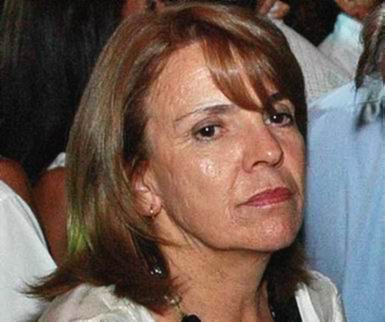
| Legal Identity | Susana Graciela Freydoz |
| Confirmed Victims | 1 |
| Attributed / Indicted Victims | 1 |
| Active Timeline | January 1, 2012 |
| Jurisdiction / Area of Operations | Paso Córdoba, Río Negro, Argentina |
| Criminological Classification | Spousal Homicide |
| Forensic Modus Operandi | Close-range gunshot wound using a .38 caliber revolver |
| Weapon / Mechanism of Death | Smith & Wesson .38 caliber revolver |
| Motive / Behavioral Dynamics | Pathological jealousy and marital crisis |
| Judicial Outcome | Sentenced to 18 years in prison |
1. Background and Psychopathy
Susana Graciela Freydoz (born April 18, 1951) was the wife of Carlos Ernesto Soria, the Governor of Río Negro. Forensic evaluations described a woman with obsessive personality traits and low self-esteem, whose mental state deteriorated significantly following the discovery of her husband's extramarital affair.
2. Crime Spree
On January 1, 2012, at approximately 4:47 a.m., following New Year's celebrations, a heated argument occurred in the couple's bedroom. Freydoz retrieved a .38 caliber revolver and shot her husband in the face while he was lying in bed. The injury proved fatal shortly after his arrival at the hospital.
3. Investigation and Arrest
Law enforcement arrived at the scene shortly after the incident. The victim's daughter, María Emilia Soria, and her partner, Mariano Valentín, were present and witnessed the immediate aftermath. Forensic evidence, including the weapon and ballistics, confirmed the shot was fired at close range.
4. Legal Proceedings and Outcome
On November 20, 2012, Freydoz was sentenced to 18 years in prison for aggravated homicide. The court rejected claims of insanity or temporary mental incapacity, though it acknowledged 'extraordinary mitigating circumstances.' The Superior Court of Justice of Río Negro upheld the conviction in 2013, confirming that she was fully aware of her actions at the time of the crime.