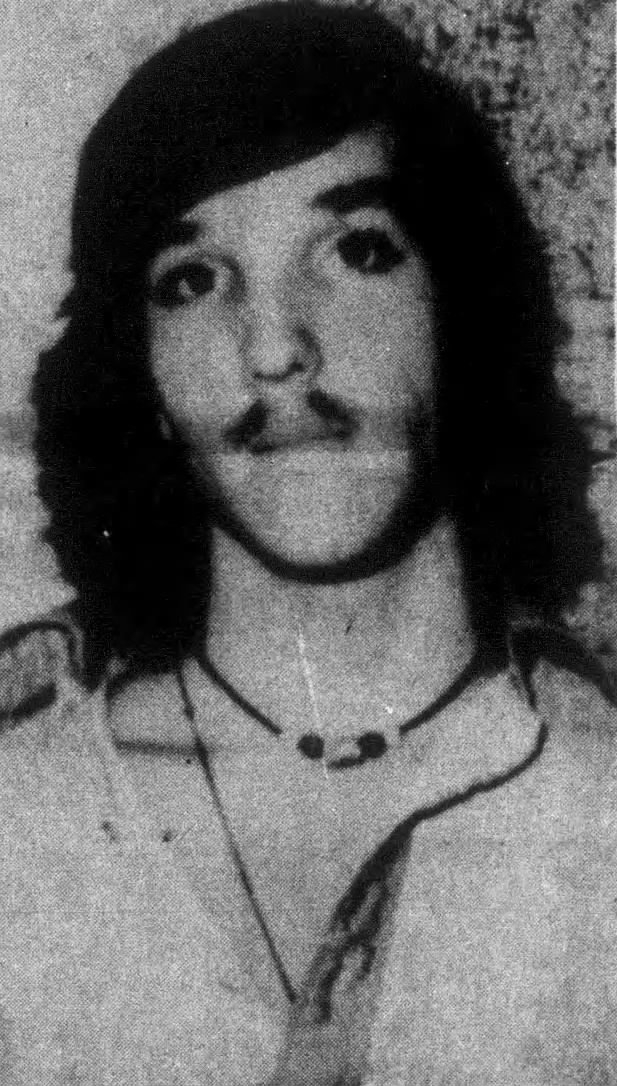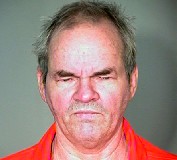
Forensic & Criminological Matrix
| Parameter | Forensic Detail |
|---|---|
| Forensic Heading / Aliases | None |
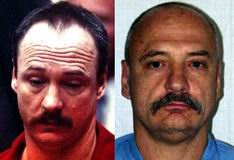
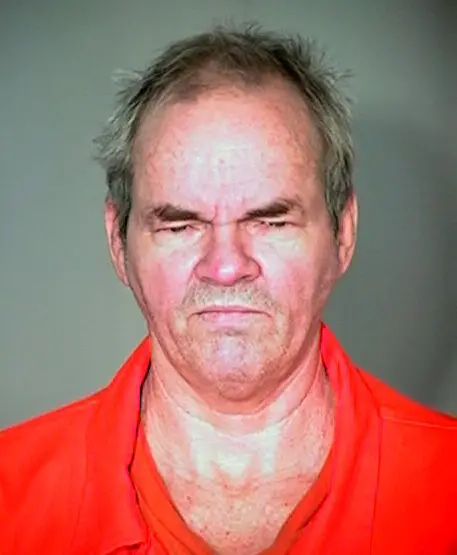
| Legal Identity | Warren Wesley Summerlin |
| Confirmed Victims | 1 |
| Attributed / Indicted Victims | 1 |
| Active Timeline | April 29, 1981 |
| Jurisdiction / Area of Operations | Phoenix, Arizona |
| Criminological Classification | Sexual murderer |
| Forensic Modus Operandi | Sexual assault followed by blunt force trauma |
| Weapon / Mechanism of Death | Blunt object (head trauma) |
| Motive / Behavioral Dynamics | Financial debt dispute / Explosive personality disorder |
| Judicial Outcome | Death sentence (1982), later commuted to life imprisonment |
1. Background and Psychopathy
Warren Wesley Summerlin (born 1947) exhibited significant psychological disturbances throughout his life, including organic brain dysfunction and explosive personality disorder. His upbringing was characterized by extreme abuse and instability. His criminal history included juvenile offenses and an adult conviction for aggravated assault prior to the capital murder case.
2. Crime Spree
On April 29, 1981, Brenna Jean Bailey, a debt collector, visited Summerlin's home in Phoenix. Summerlin sexually assaulted her and killed her by crushing her skull. He then concealed her body in the trunk of her car, which he parked in a nearby lot.
3. Police Investigation and Forensic Hunt
Following a missing person report filed by Bailey's boyfriend, an anonymous tip led police to Summerlin. Upon discovering the victim's body in the trunk, police executed a search warrant at Summerlin's residence, recovering forensic evidence that linked him directly to the crime.
4. Legal Proceedings and Outcome
Summerlin was tried in 1982, found guilty, and sentenced to death. The case became a landmark in U.S. Supreme Court jurisprudence regarding the Sixth Amendment and the role of juries in capital sentencing, specifically through the Schriro v. Summerlin case, which addressed the retroactivity of Ring v. Arizona.