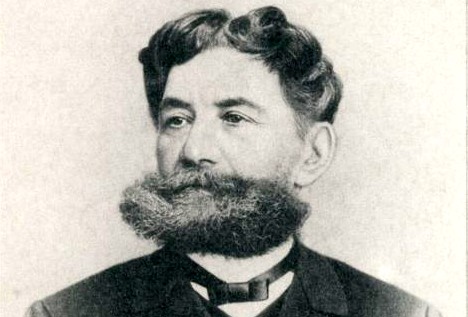
Forensic & Criminological Matrix
| Parameter | Forensic Detail |
|---|---|
| Forensic Heading / Aliases | null |
| Legal Identity | Alexander Vasilyevich Sukhovo-Kobylin |
| Confirmed Victims | 0 |
| Attributed / Indicted Victims | 1 |
| Active Timeline | 1850 |
| Jurisdiction / Area of Operations | Moscow, Russia |
| Criminological Classification | Suspect in homicide (Unresolved/Acquitted) |
| Forensic Modus Operandi | Homicide by sharp force trauma |
| Weapon / Mechanism of Death | Cutting instrument and strangulation |
| Motive / Behavioral Dynamics | Passionate conflict or servant revenge |
| Judicial Outcome | Acquitted after prolonged litigation |
1. Background and Profile
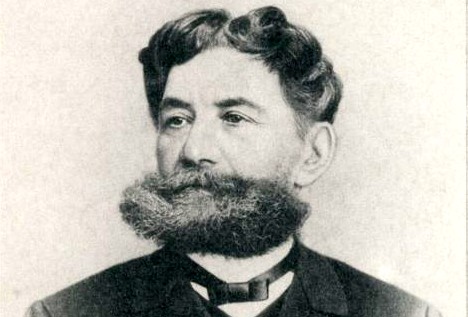
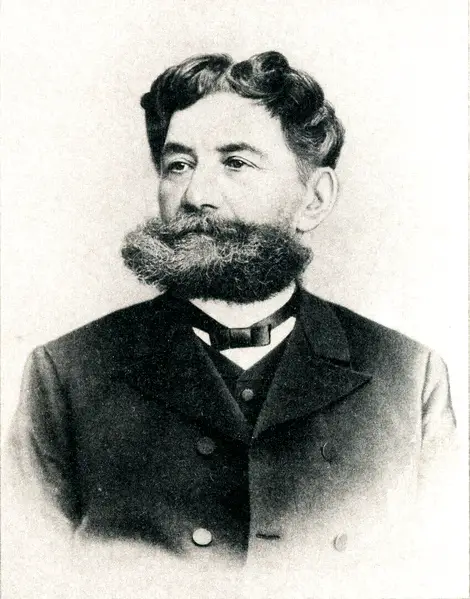
Alexander Vasilyevich Sukhovo-Kobylin was a Russian nobleman and playwright born in 1817. Educated in Moscow and Germany, he was a wealthy entrepreneur known for his volatile temperament. His long-term relationship with French milliner Louise-Simone Dimanche was well-known in Moscow society.
2. Crime Spree
On November 9, 1850, Louise-Simone Dimanche was found dead near the Vagankovsky cemetery. The forensic examination revealed a fatal throat wound and signs of blunt force trauma. The investigation initially focused on Sukhovo-Kobylin, who had reported her missing.
3. Investigation and Arrest
Police investigations led to the arrest of Sukhovo-Kobylin's household staff, including Efim Egorov, who confessed to the murder. The case became a symbol of the corruption within the Tsarist judicial system, as Sukhovo-Kobylin utilized his wealth and connections to navigate the legal proceedings.
4. Legal Proceedings and Outcome
After seven years of trials, investigations, and imprisonment, the case concluded in 1857. The State Council and the Tsar eventually cleared Sukhovo-Kobylin of the murder charge, while his servants were exiled for perjury and obstruction of justice. The playwright later channeled his experiences into his famous satirical trilogy.
5. Forensic Conclusion
Sukhovo-Kobylin died in France in 1903. While historical opinion remains divided, modern forensic analysis often supports the theory that the servants were the primary perpetrators, and that Sukhovo-Kobylin was a victim of a corrupt legal system seeking bribes.