

Forensic & Criminological Matrix
| Parameter | Forensic Detail |
|---|---|
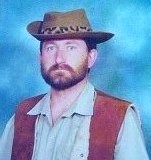
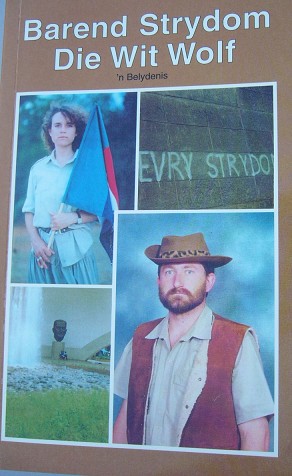
| Forensic Heading / Aliases | Wit Wolwe, White Wolf |
| Legal Identity | Barend Hendrik Strydom |
| Confirmed Victims | 9 |
| Attributed / Indicted Victims | 9 |
| Active Timeline | November 1988 |
| Jurisdiction / Area of Operations | Pretoria, South Africa |
| Criminological Classification | Spree Killer |
| Forensic Modus Operandi | Targeted shooting spree with 9mm pistol in public areas |
| Weapon / Mechanism of Death | 9mm pistol |
| Motive / Behavioral Dynamics | White supremacy, extreme right-wing ideology |
| Judicial Outcome | Death sentence (1989), pardoned and released (1992) |
1. Background and Profile
Barend Hendrik Strydom was raised in a household deeply entrenched in apartheid ideology. His father, Nic Strydom, a former policeman and regional leader of the AWB, openly admitted to instilling in his son the belief that black people were subhuman and that white people were the true descendants of the Israelites. By age 16, Barend was already active in various right-wing extremist organizations, developing a worldview centered on the perceived existential threat posed by non-white populations.
2. Crime Spree
On November 8, 1988, Strydom conducted a 'practice run' at the Wheeler's Farm squatter camp, where he murdered one woman and wounded another. On November 15, 1988, he initiated his main operation in central Pretoria. Armed with a 9mm pistol and hundreds of rounds of ammunition, he walked through the city, shooting black and Indian pedestrians. He killed eight people during this spree, bringing his total victim count to nine.
3. Investigation and Arrest
The spree was halted by Simon Mukondoleli, a taxi driver who followed Strydom into a shop where the gunman was reloading. Mukondoleli disarmed him and held him until police arrived. Strydom claimed to be the leader of the 'Wit Wolwe' (White Wolves), a group police later concluded existed only in his imagination.
4. Legal Proceedings and Outcome
The trial began on May 15, 1989. Strydom remained unrepentant, declaring his actions 'totally correct.' He was sentenced to death eight times. Following the 1990 moratorium on capital punishment and the subsequent political transition in South Africa, he was released in 1992 by President F.W. de Klerk as part of a political prisoner amnesty deal.
5. Forensic Conclusion
Strydom was later granted amnesty by the Truth and Reconciliation Commission. His case remains a significant example of the lethal consequences of radicalized political and racial extremism.