Forensic & Criminological Matrix
| Parameter | Forensic Detail |
|---|---|
| Forensic Heading / Aliases | Birdman of Alcatraz |
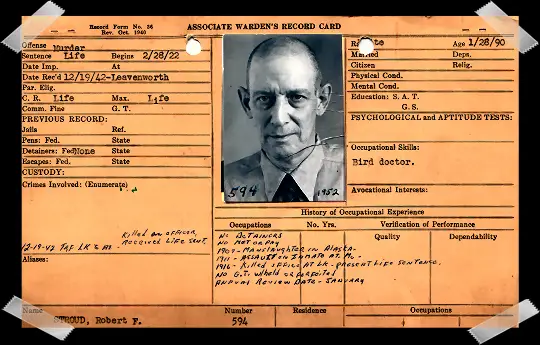
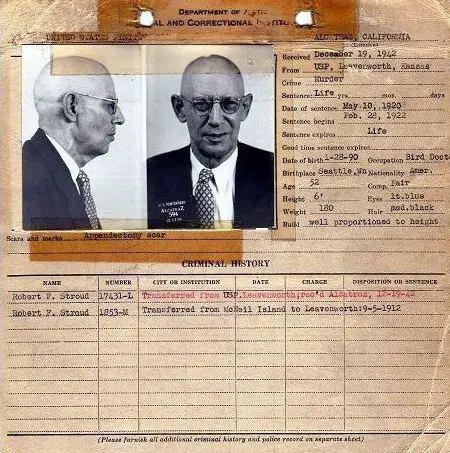
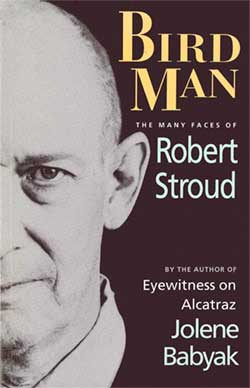
| Legal Identity | Robert Franklin Stroud |
| Confirmed Victims | 2 |
| Attributed / Indicted Victims | 2 |
| Active Timeline | 1909 - 1916 |
| Jurisdiction / Area of Operations | Alaska, Washington, Kansas |
| Criminological Classification | Violent offender / High-security inmate |
| Forensic Modus Operandi | Impulsive attacks using firearms and edged weapons |
| Weapon / Mechanism of Death | Handgun (1909) and improvised knife (1916) |
| Motive / Behavioral Dynamics | Psychopathy, reactive anger, and pimping disputes |
| Judicial Outcome | Death sentence commuted to life imprisonment |
1. Background and Psychopathy
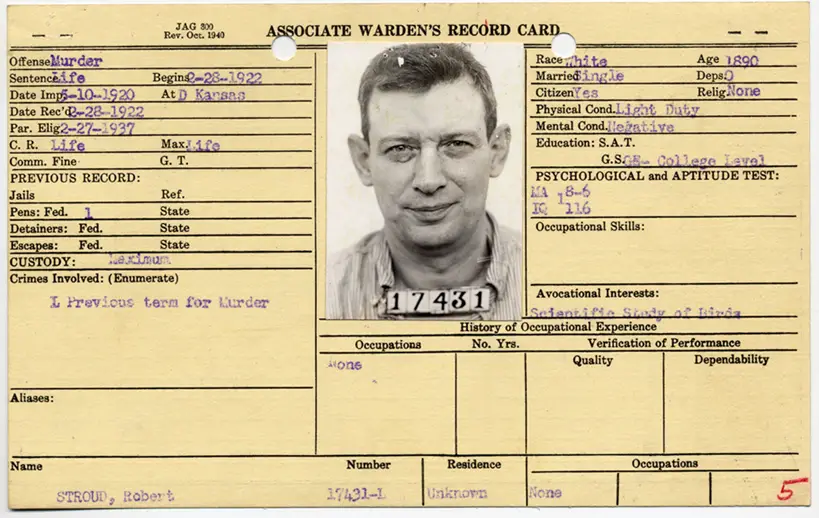
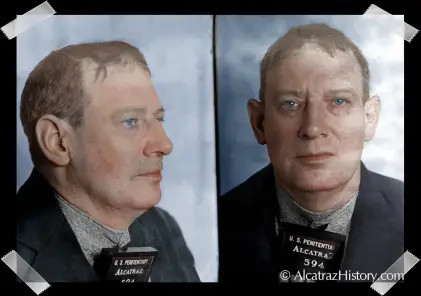
Born in Seattle in 1890, Robert Stroud suffered from an abusive upbringing. His early life was characterized by instability and a lack of formal education. Psychiatric evaluations during his incarceration identified him as a high-functioning psychopath with significant behavioral volatility.
2. Crime Spree
Stroud's criminal career began in Alaska with the murder of F.K. Von Dahmer. His subsequent incarceration at McNeil Island and later Leavenworth was marked by repeated acts of violence against staff and inmates. The 1916 murder of guard Andrew F. Turner in the Leavenworth mess hall remains his most infamous act.
3. Investigation and Arrest
Both homicides were committed in circumstances where Stroud was immediately identified. The 1909 case involved a confession, while the 1916 prison murder was witnessed by over 1,100 inmates, leaving no doubt regarding the perpetrator's identity.
4. Legal Proceedings and Outcome
Stroud faced three separate trials for the murder of Andrew F. Turner. After multiple death sentences were overturned by the Supreme Court, President Woodrow Wilson intervened in 1920, commuting his sentence to life imprisonment. He spent the remainder of his life in federal custody.
5. Psychiatric Assessment and Death
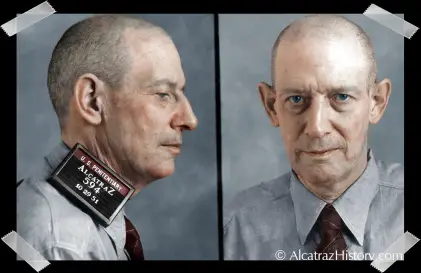
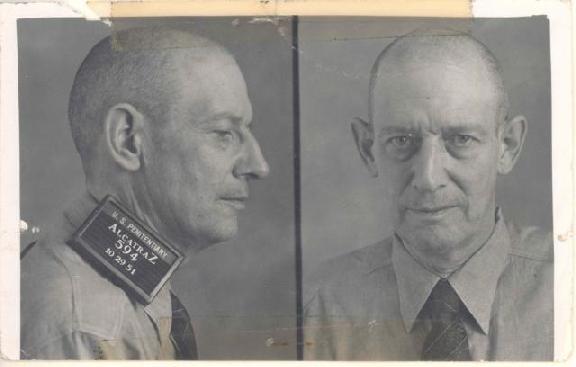
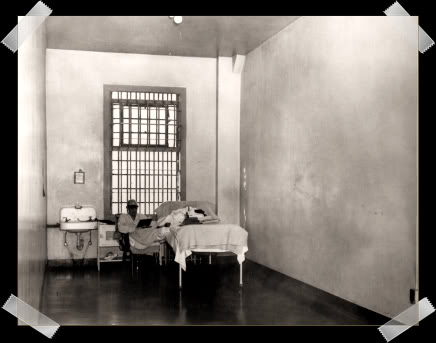
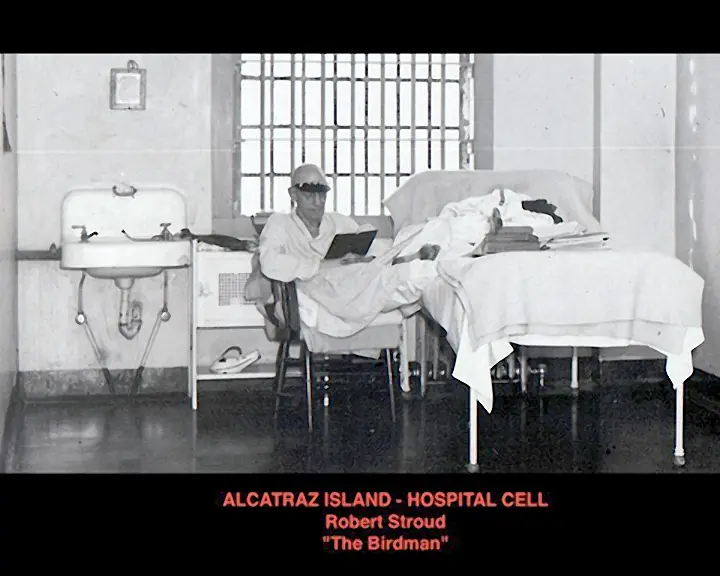
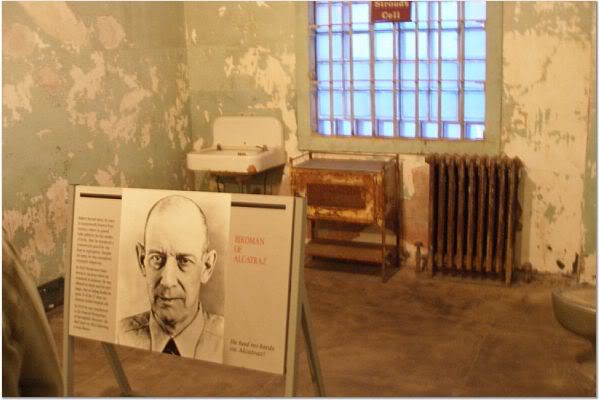
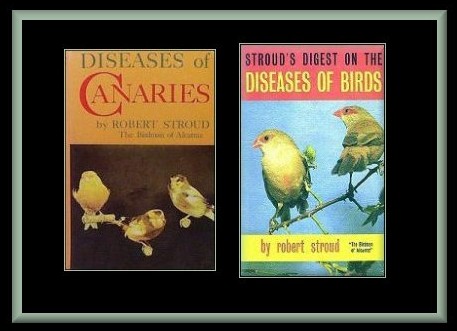
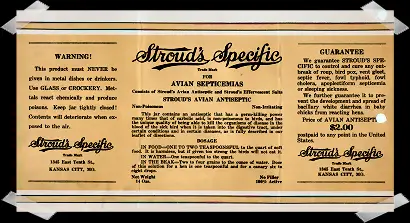
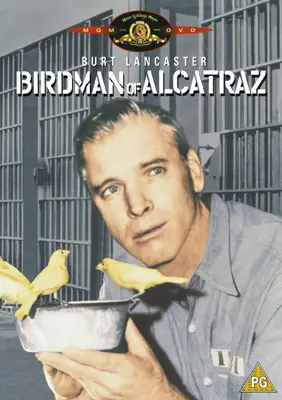
Stroud's long-term isolation led to his obsession with ornithology. Despite his scientific contributions, his violent nature remained a concern for prison authorities. He died of natural causes at the Medical Center for Federal Prisoners in 1963.