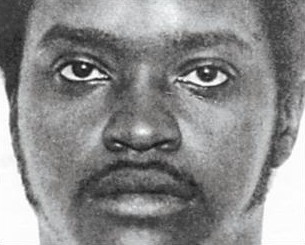
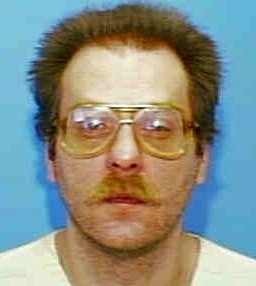
Forensic & Criminological Matrix
| Parameter | Forensic Detail |
|---|---|
| Forensic Heading / Aliases | null |
| Legal Identity | Thomas Dean Stevens |
| Confirmed Victims | 1 |
| Attributed / Indicted Victims | 1 |
| Active Timeline | 1977 |
| Jurisdiction / Area of Operations | Wayne County, Georgia, USA |
| Criminological Classification | Sadistic murderer |
| Forensic Modus Operandi | Kidnapping, sexual assault, and drowning |
| Weapon / Mechanism of Death | Knife, sharpening steel, and vehicle submersion |
| Motive / Behavioral Dynamics | Robbery and sadistic gratification |
| Judicial Outcome | Executed by electric chair |
1. Background and Profile
Thomas Dean Stevens was a serviceman stationed at Fort Stewart, Georgia. Alongside his co-defendant, Christopher A. Burger, he orchestrated a violent robbery that escalated into a capital murder. Forensic evaluations noted his manipulative nature and higher IQ compared to his accomplice, identifying him as the primary mastermind behind the abduction and subsequent execution of the victim.
2. Crime Spree
On September 4, 1977, Stevens and Burger commandeered a taxi driven by Roger Honeycutt. After robbing the victim of a small sum, Stevens forced Honeycutt to engage in sexual acts before binding him with a microphone cord and locking him in the trunk. Despite being urged by a fellow soldier to release the driver, Stevens insisted on proceeding with the murder. They drove the vehicle into a pond, where Honeycutt drowned while trapped in the trunk.
3. Investigation and Arrest
Following the discovery of the body and the vehicle, the U.S. Army CID and local civilian authorities conducted a thorough investigation. Stevens was arrested on September 12, 1977. His confession, despite later legal challenges regarding his Fifth Amendment rights, provided critical evidence that, combined with forensic findings at the crime scene, secured his conviction.
4. Legal Proceedings and Outcome
Stevens faced a lengthy appeals process, challenging his death sentence on grounds of ineffective assistance of counsel and jury instruction errors. The federal courts, including the 11th Circuit, consistently affirmed the lower court's rulings, finding the evidence of his intent to kill to be overwhelming. He was executed in 1993.